For decades, football boots have been designed with a very specific goal: to perform on the pitch. Studs, sole plates, materials, and construction were created for performance, not to be worn every day in the city.
In 2026, Nike decided to overturn this logic with Cryoshot, a project that takes some of the most recognizable boots from its archive and transforms them into lifestyle sneakers without erasing their original identity.
The result is not simply a football-inspired shoe. The Nike Cryoshot keeps visible the very elements that would normally prevent a boot from becoming a street sneaker: the studs.
What is Nike Cryoshot?
Nike Cryoshot is a lifestyle project built starting from the Nike Football archive.
The central idea consists of recovering models originally born for the pitch and inserting them into a new structure designed for daily use.
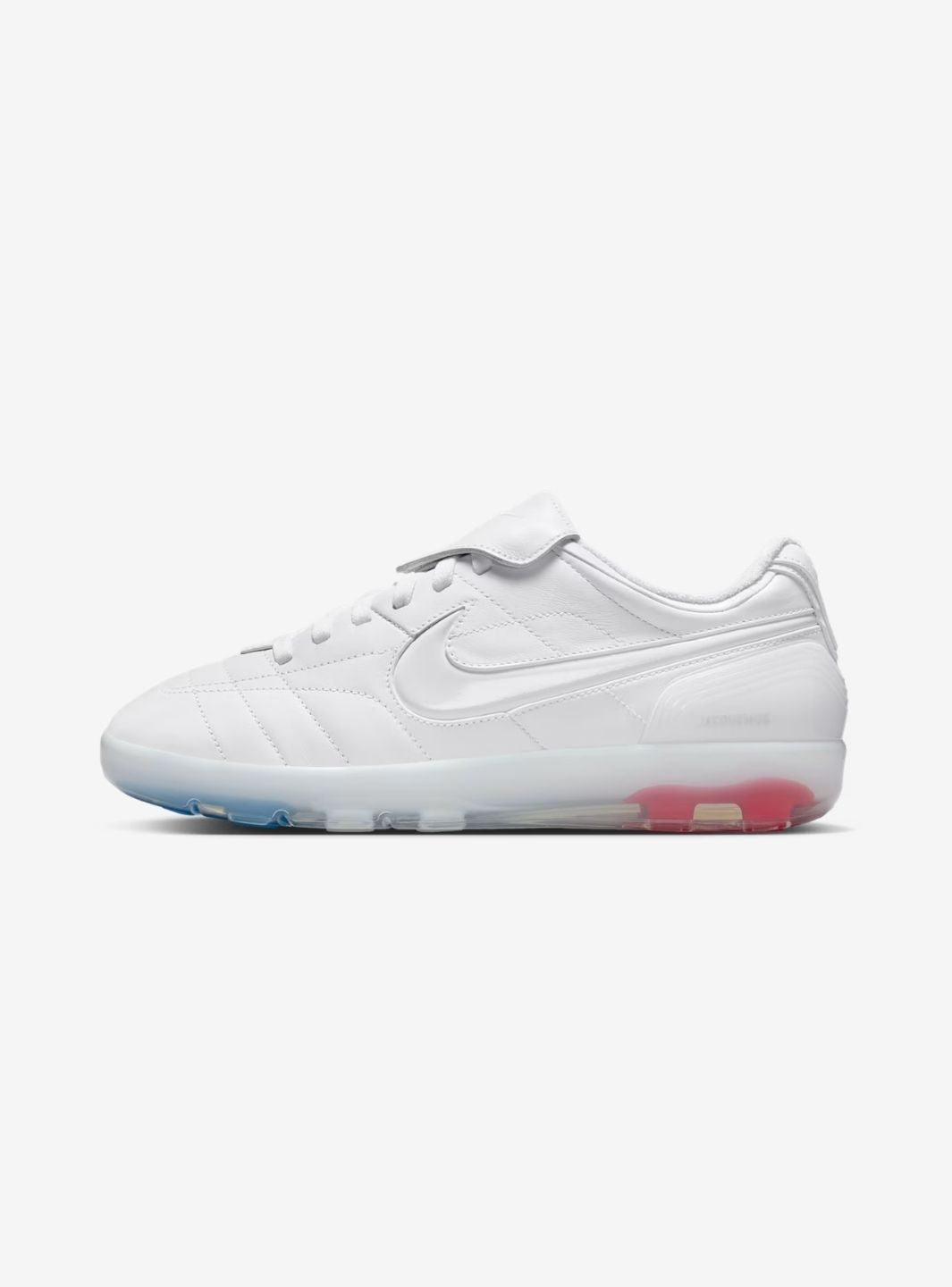
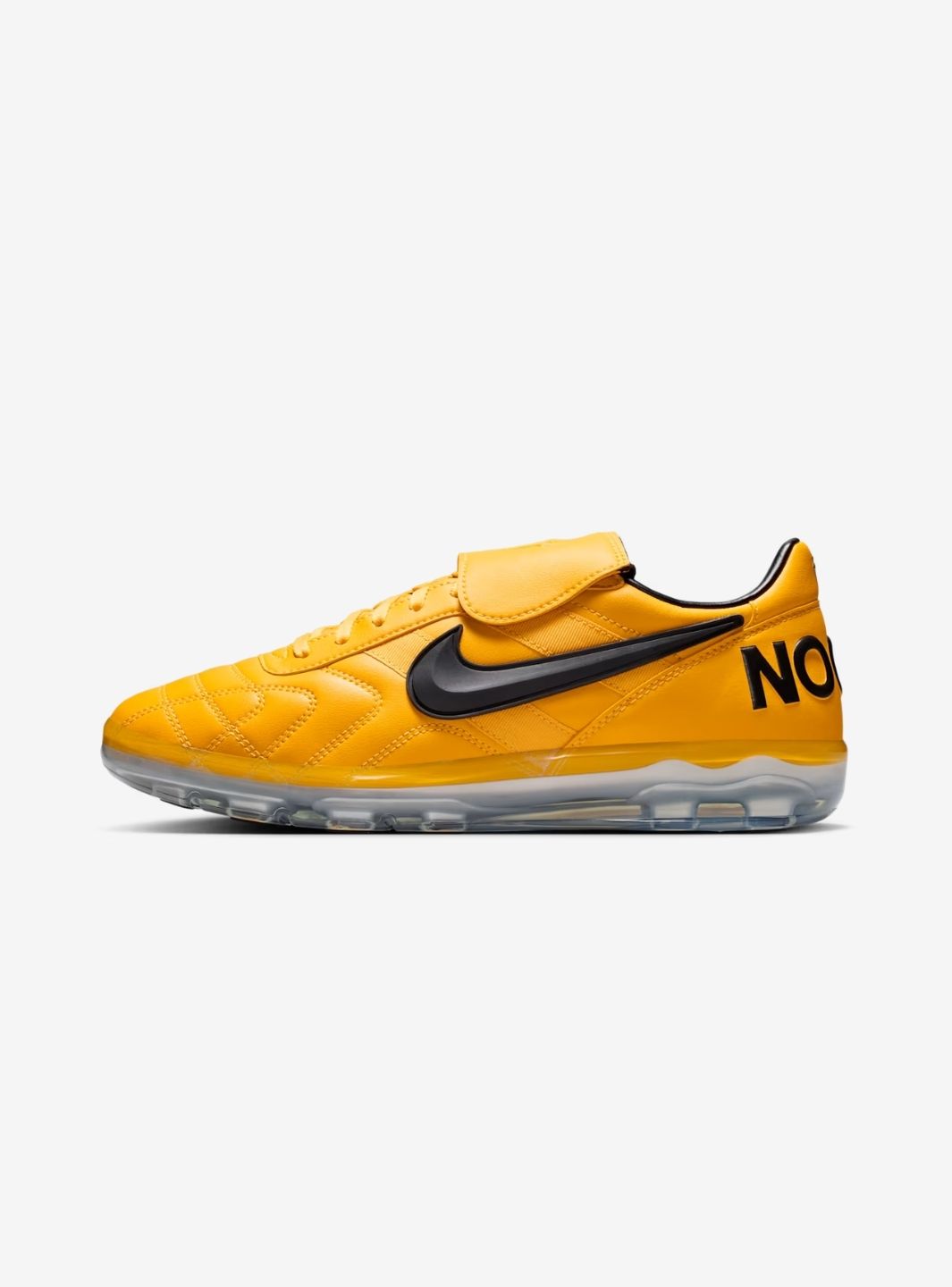
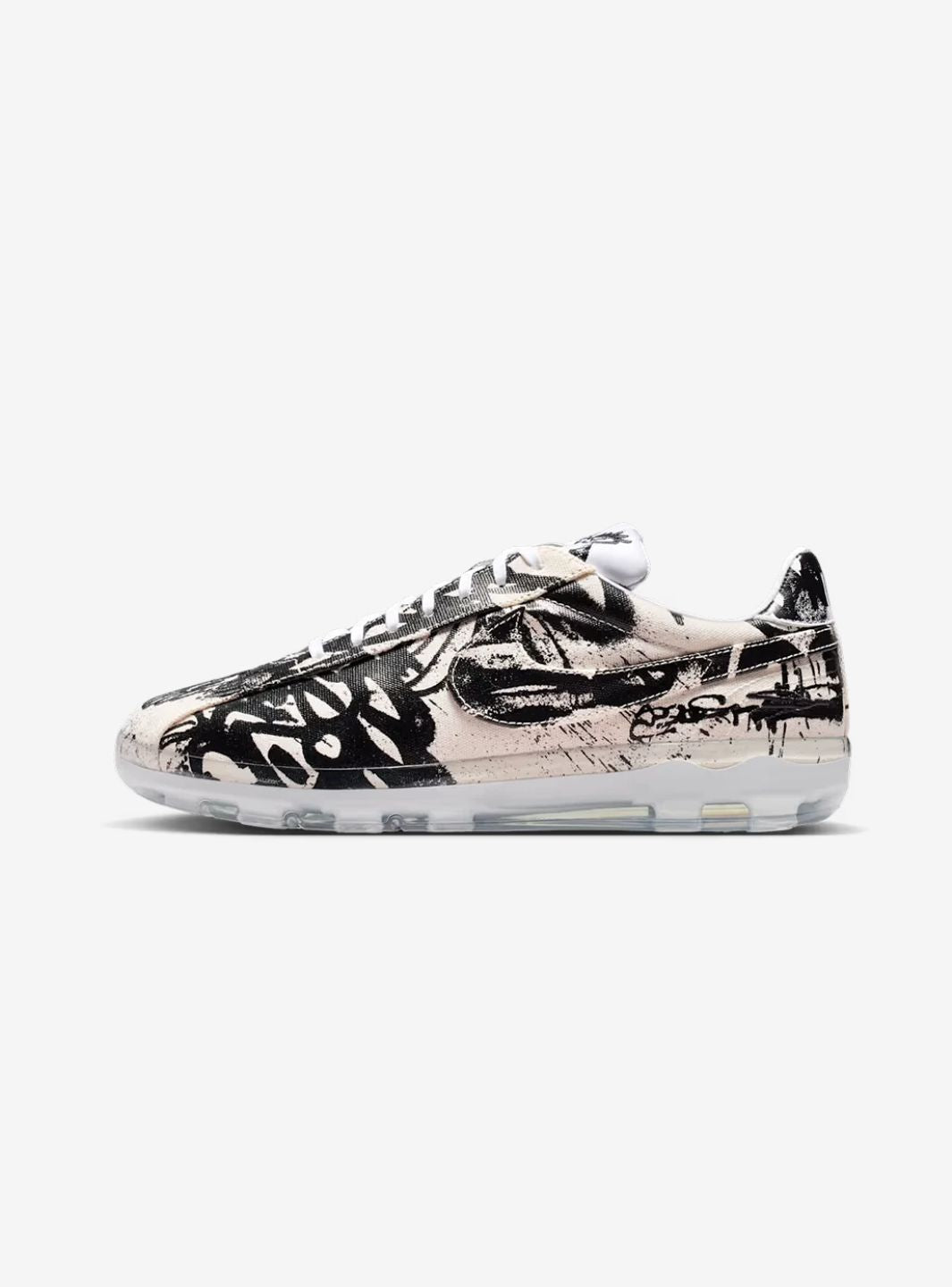
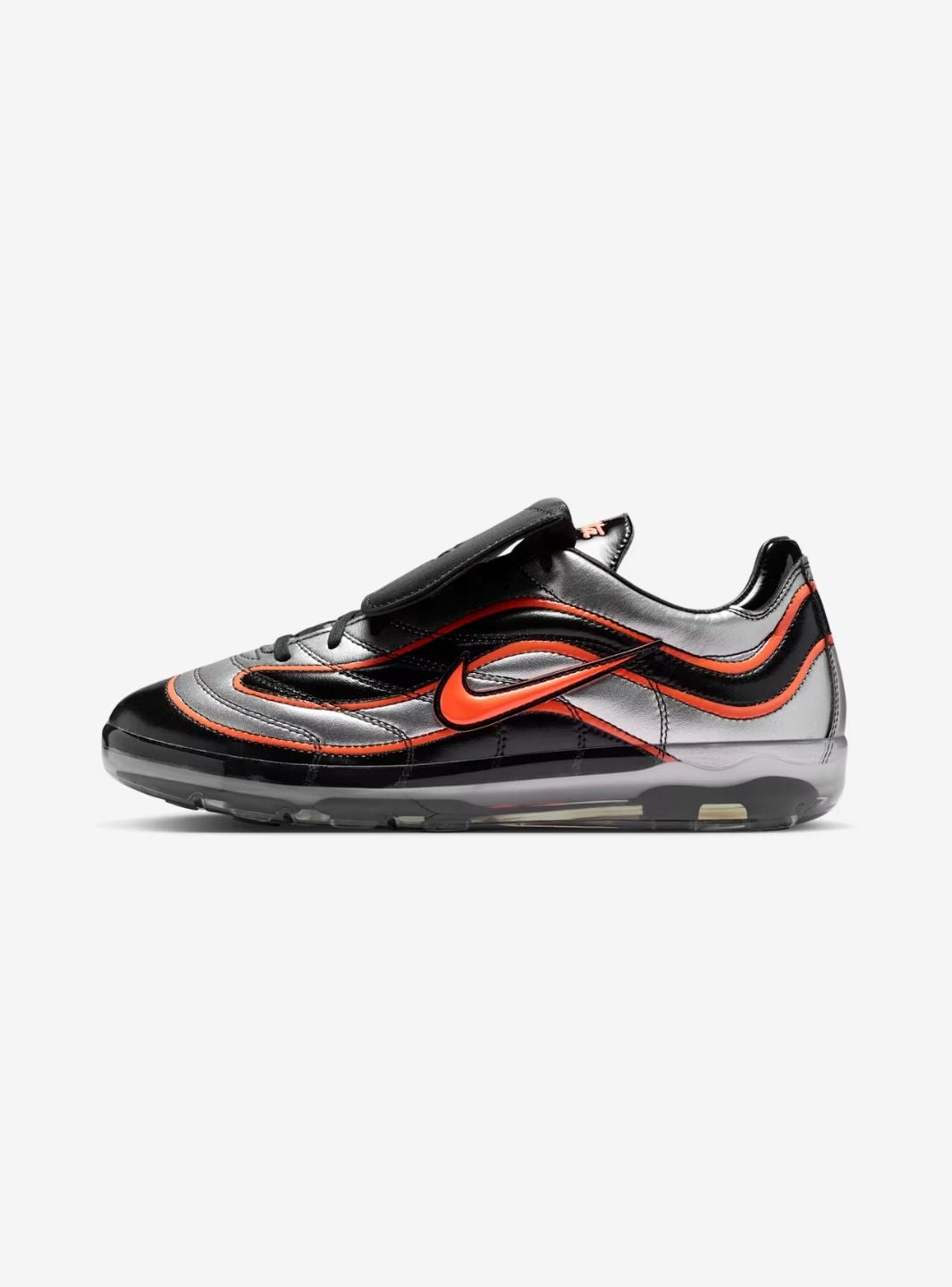
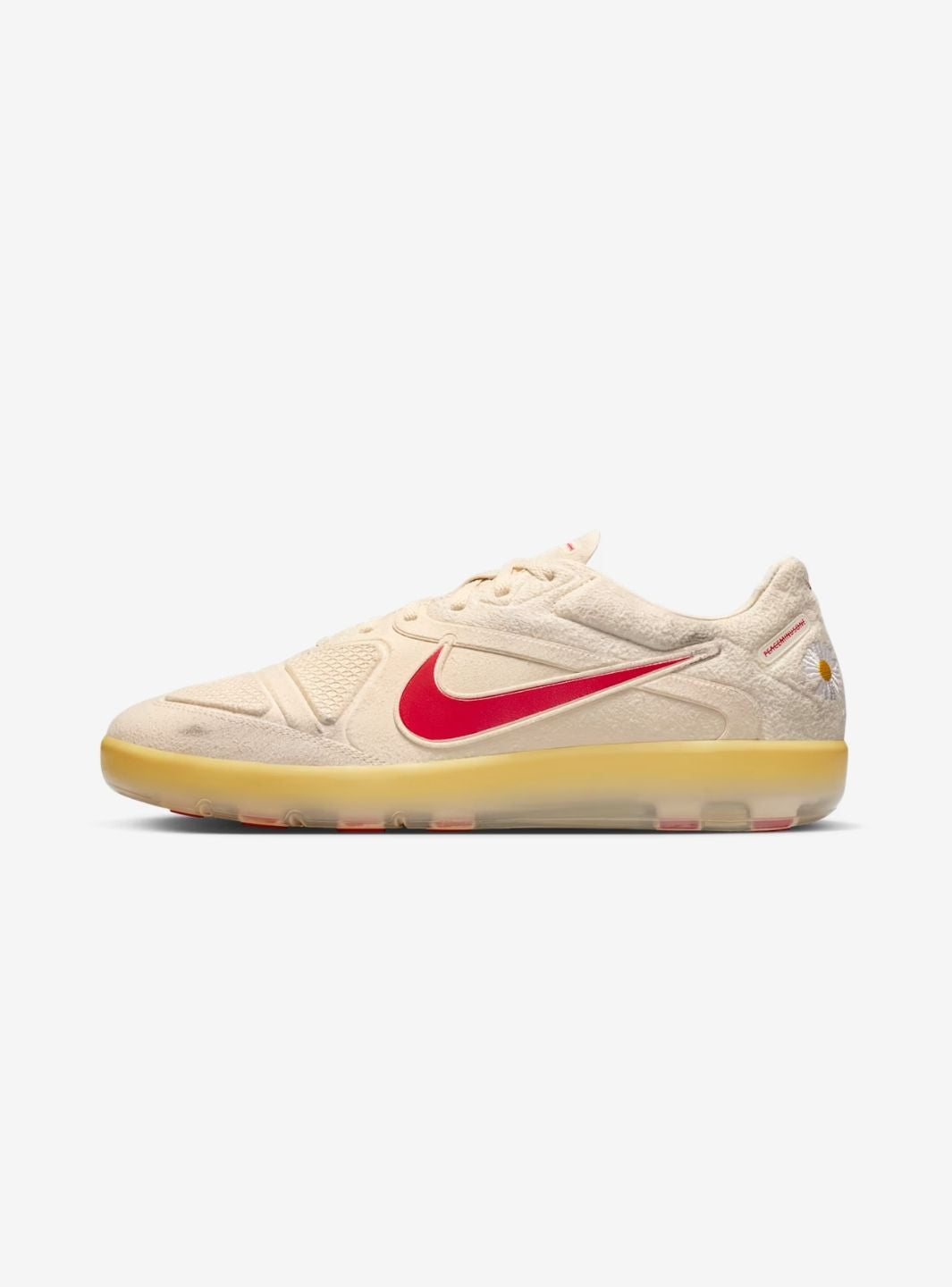
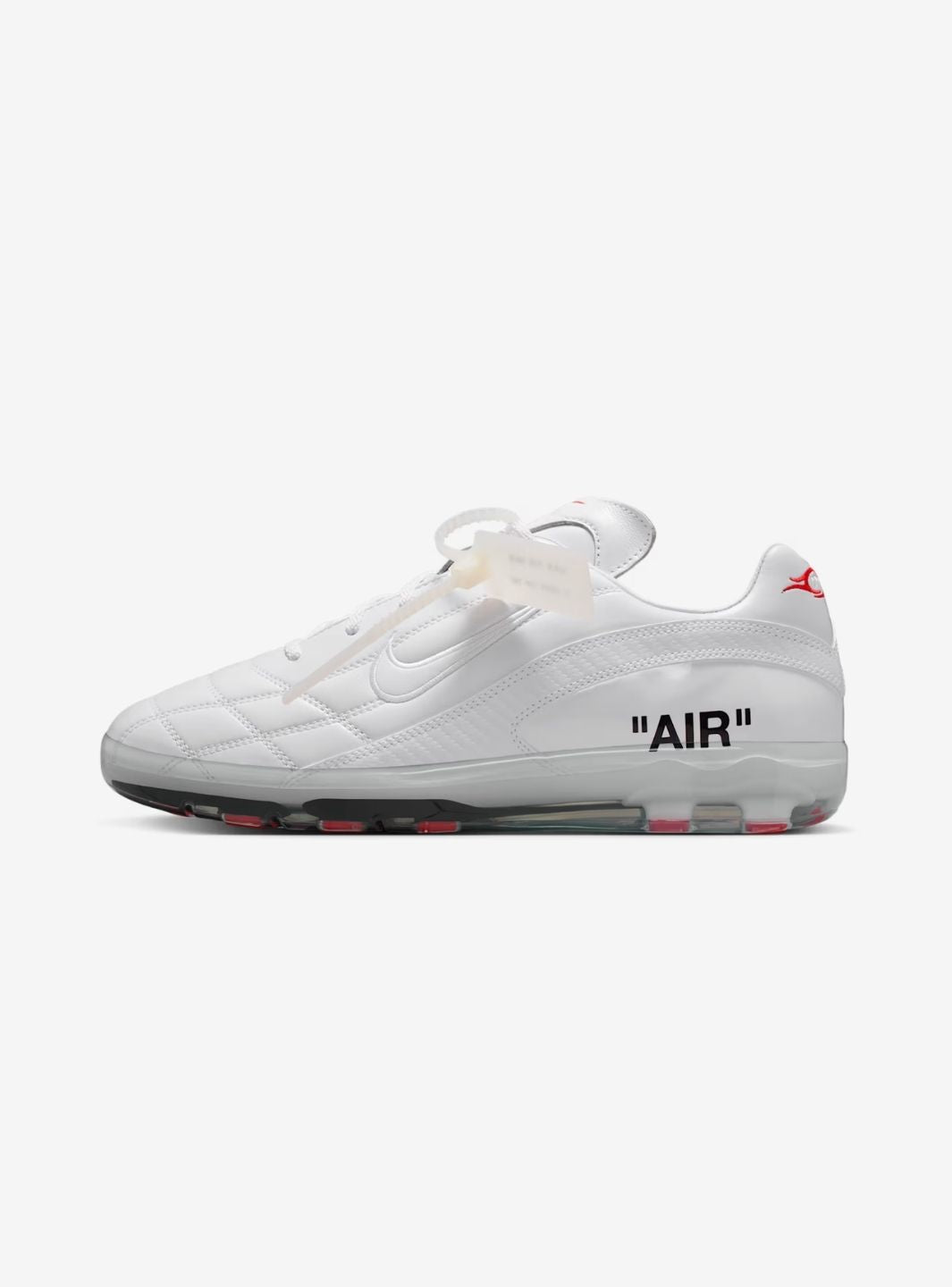
The most recognizable feature is the bottom of the shoe: the studs of the original boot remain visible, but are encased within a transparent TPU structure.
Visually, the solution almost resembles a transparent block that preserves the memory of the football boot while simultaneously creating a surface suitable for the street.
Original performance thus becomes part of the design instead of being eliminated.
Why are they called Cryoshot?
The name immediately recalls the idea of preservation through cold.
Visually, the concept works exactly this way: the boot seems to have been frozen at the moment it still existed as a football boot, with the studs preserved inside a transparent structure.
Instead of completely redesigning a Mercurial or a Tiempo to turn it into a sneaker, Nike therefore leaves its original function visible.
This is what distinguishes Cryoshot from many sneakers simply inspired by football. The pitch boot is not cited only through colors or graphics: it remains physically recognizable within the new product.
Montebelluna and the history behind Nike Cryoshot
To truly understand the project, one must go to Montebelluna, in the Veneto region.
The area possesses a long tradition in the production of technical footwear and has played a fundamental role in the development of Nike football boots since the nineties.
It is here that craftsmanship and sports engineering met during a decisive phase of the evolution of Nike Football.
Nike recounted the development of the Cryoshots right inside its facility in Northern Italy, showing the work required to take a historic boot and transform it into a shoe that is actually wearable off the pitch.
The project is therefore born from the archive, but it is not a simple nostalgic operation: it requires a new technical construction capable of preserving the original shape while simultaneously completely changing its use.

Ronaldo’s 1998 Mercurial and the origin of the project
One of the most important images in the Cryoshot universe is that of the Nike Mercurial worn by Ronaldo Nazário in 1998.
The combination of blue, silver, and yellow details made that shoe immediately recognizable and contributed to changing how a football boot could be perceived from an aesthetic point of view as well.
During the development of Cryoshot, Nike returned to that very type of archive.
The modern model retains the shape and numerous visual elements of the original shoe, but replaces the pitch function with the new transparent platform.
It is an important choice because it demonstrates that Nike does not just want to recover an old name. The goal is to allow a different generation to actually wear on the street shapes that until that moment belonged primarily to the memory of football.
From the pitch to the street: why football became streetwear
The Cryoshot project arrives at a time when football and fashion are much closer than in the past.
Vintage shirts, national jerseys, tracksuits, scarves, training jackets, and shoes inspired by boots have firmly entered the lifestyle wardrobe.
The phenomenon goes beyond a single trend. A football shirt can simultaneously represent a team, a city, a country, a historical period, and a personal memory.
The 2026 World Cup further amplified this overlap between sport and fashion, creating an ideal moment to also transform historical boots into lifestyle objects.
Cryoshot was born exactly within this change.
The Nike Cryoshot models recovered from the Football archive
The Nike Cryoshot family does not revolve around a single silhouette.
Nike recovered models and languages from different eras of its Football archive, transforming them through the same transparent construction.
Among the most important names we find the Mercurial Vapor R9, linked to Ronaldo's history, the Tiempo ’94, the Tiempo R10, the CTR360, the Air Speed M, the Striker 1976, and the Zoom M9.
It is almost a journey through different generations of Nike Football: each silhouette retains a different identity, while the Cryoshot system creates a common element that makes the entire family immediately recognizable.
The 2026 Cryoshot collaborations
For the launch, Nike was not limited to bringing models from its own archive back to the market.
The line was connected to a series of international collaborations that associated different countries with creatives, brands, and cultural entities.
Among the main projects we find:
- Patta x Netherlands on the Mercurial Vapor R9;
- NOCTA x Canada on the Tiempo ’94;
- Palace x England on the Air Speed M;
- Jacquemus x France on the Tiempo R10;
- PEACEMINUSONE x South Korea on the CTR360;
- Slawn x Nigeria on the Striker 1976;
- Virgil Abloh Archive x United States on the Zoom M9.
The sneakers arrived through SNKRS, partners, and selected retailers during 2026, transforming Cryoshot into something broader than just the return of an old football shoe.
The project allowed Nike to connect its Football archive to entities from streetwear, music, art, and fashion, while maintaining a strong common identity across all silhouettes.

Patta x Nike Cryoshot Mercurial Vapor R9
The collaboration with Patta is one of the most immediate to understand.
The Amsterdam brand chose exactly the Mercurial linked to Ronaldo and reinterpreted the silhouette through the colors of the Netherlands.
The project uses the original R9 construction as a starting point and also adds a removable fold-over tongue to accentuate its vintage aesthetic.
Under the shoe, we then find the common element of the entire Cryoshot family: the studs encased in the transparent sole to make the boot usable daily.
It is probably one of the clearest examples of what Nike wants to achieve with the line: a shoe immediately readable by those who know the football of the nineties, but built to be worn as a contemporary sneaker.
NOCTA, Palace, Jacquemus and other interpretations
The other collaborations show how much the same concept can change based on the culture that interprets it.
NOCTA, the Nike project linked to Drake, works on the Tiempo ’94 and Canada. Palace instead connects its London language to England and the Air Speed M.
Jacquemus brings a more fashion-forward reading to the Tiempo linked to France, while PEACEMINUSONE works on the CTR360 for South Korea.
Slawn represents Nigeria and Virgil Abloh Archive uses the United States as a starting point for the Zoom M9.
The strength of the operation lies right here: each sneaker can be read simultaneously as Nike Football archive, lifestyle object, and cultural representation of a country.
Why the transparent sole is the most important detail
Without the transparent bottom structure, Cryoshot would risk being just another series of football retros.
Instead, it is precisely that part of the shoe that explains the entire project.
The studs are not eliminated. They remain visible and continuously remind us that the silhouette was born for the pitch.
At the same time, the new platform changes the point of contact with the ground and allows the shoe to be used in everyday life.
Function and storytelling thus become the same thing: the technical solution is also the aesthetic signature of the sneaker.

Did Cryoshot really create a new category?
Talking about a “new category” always requires a bit of caution.
Football-inspired sneakers already existed before 2026, and numerous models from the indoor and football world had long since crossed the boundaries of sport.
However, Cryoshot introduces a particular approach: instead of making a football shoe more lifestyle by eliminating its technical elements, it transforms those very technical elements into the central part of the design.
The boot is not hidden inside a new silhouette. It remains visible.
That is why the project represents one of the most interesting interpretations of contemporary football lifestyle.
What the 2026 World Cup represented for Nike Cryoshot
The 2026 World Cup provided the ideal context for the launch.
For a few weeks, football became even more global than usual, and fashion, music, merchandising, and national identities shared the same cultural space.
Nike used Cryoshot to connect this attention to the brand's archive, choosing collaborators capable of speaking to very different communities.
The result was a project that could interest, at the same time, those who remembered Ronaldo in 1998, those who followed Palace or Patta, those who knew NOCTA through Drake, and those who simply saw an unusual sneaker in the Cryoshots.
The World Cup was therefore not just the graphic theme of the collection. It was the moment that allowed all these stories to meet.
Why Nike Cryoshot remains interesting even after the World Cup
The most important question, today, is no longer whether Cryoshot will work during the World Cup.
The tournament is over and the sneakers have already hit the market. The point is to understand if the concept can exist even outside of that event.
The answer depends primarily on the strength of the Nike Football archive.
Mercurial, Tiempo, CTR, and the other silhouettes do not belong exclusively to 2026. They are models linked to players, seasons, and moments that continue to live in the memory of fans.
Cryoshot has found a very direct way to transform that memory into something wearable without erasing its origin.
From the pitch to the street without hiding the past
The most successful part of Nike Cryoshot is probably also the simplest.
Nike could have taken an old Mercurial, eliminated the studs, and turned it into a normal flat sneaker. It would have been immediately easier to wear, but it would have lost exactly what made it a football shoe.
Cryoshot chooses the opposite path.
The studs stay there, visible under the foot. The boot continues to look like a boot. What changes is the way in which it is built to allow it to get off the pitch.
It is this solution that makes the line interesting even beyond the moment of the World Cup: it does not simply use football as an aesthetic, but transforms the technical history of Nike Football into streetwear design.