







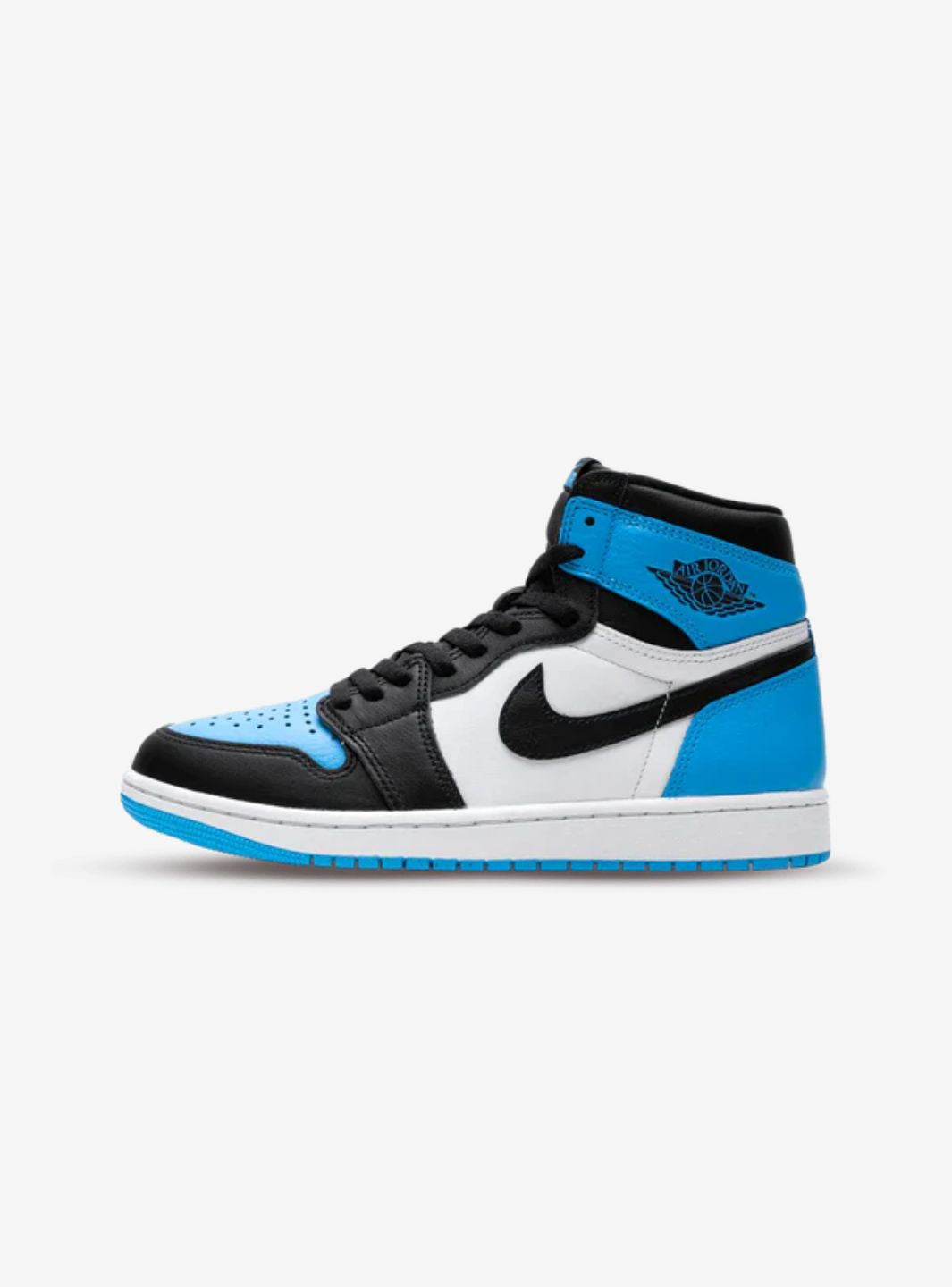
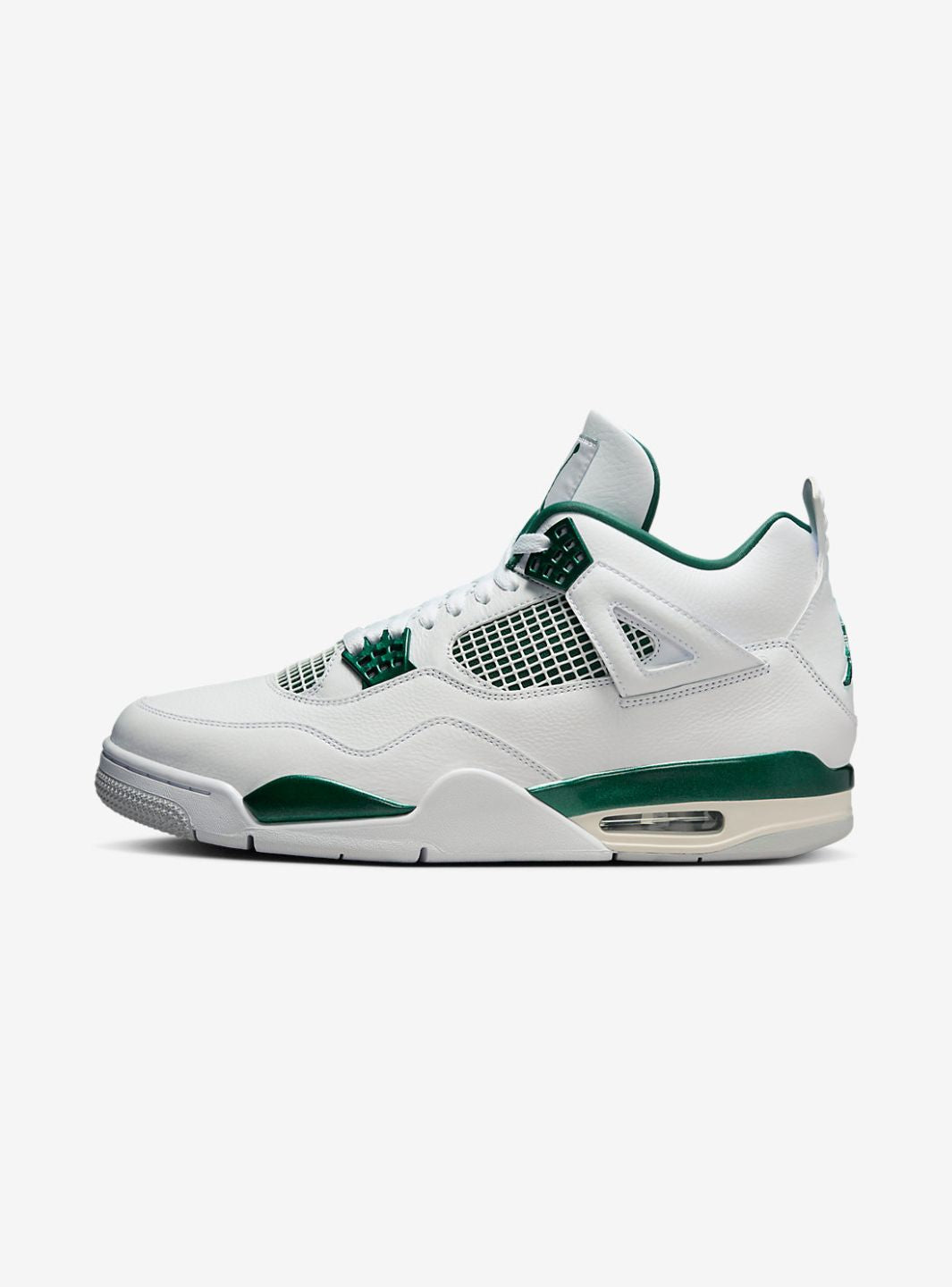
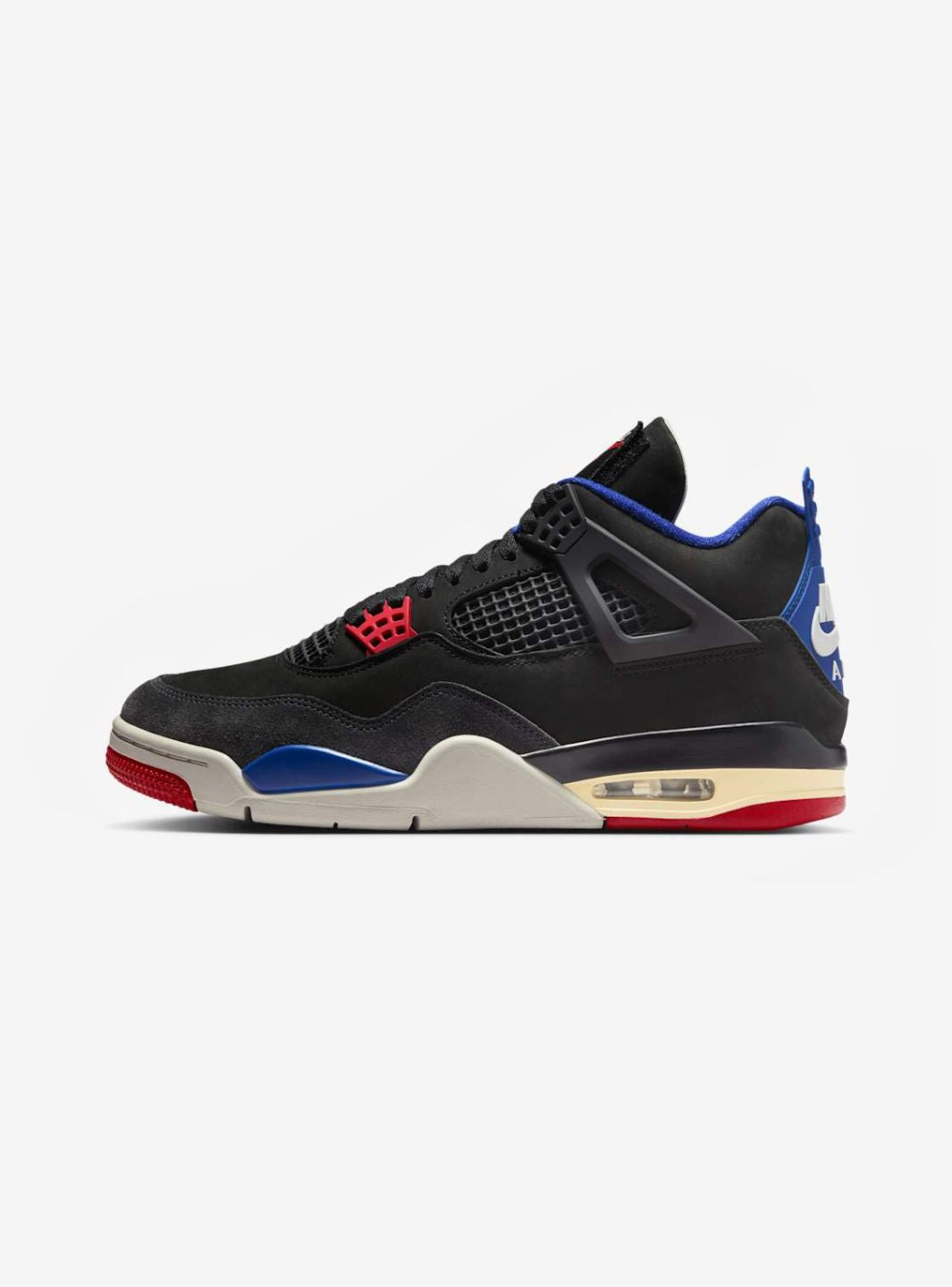

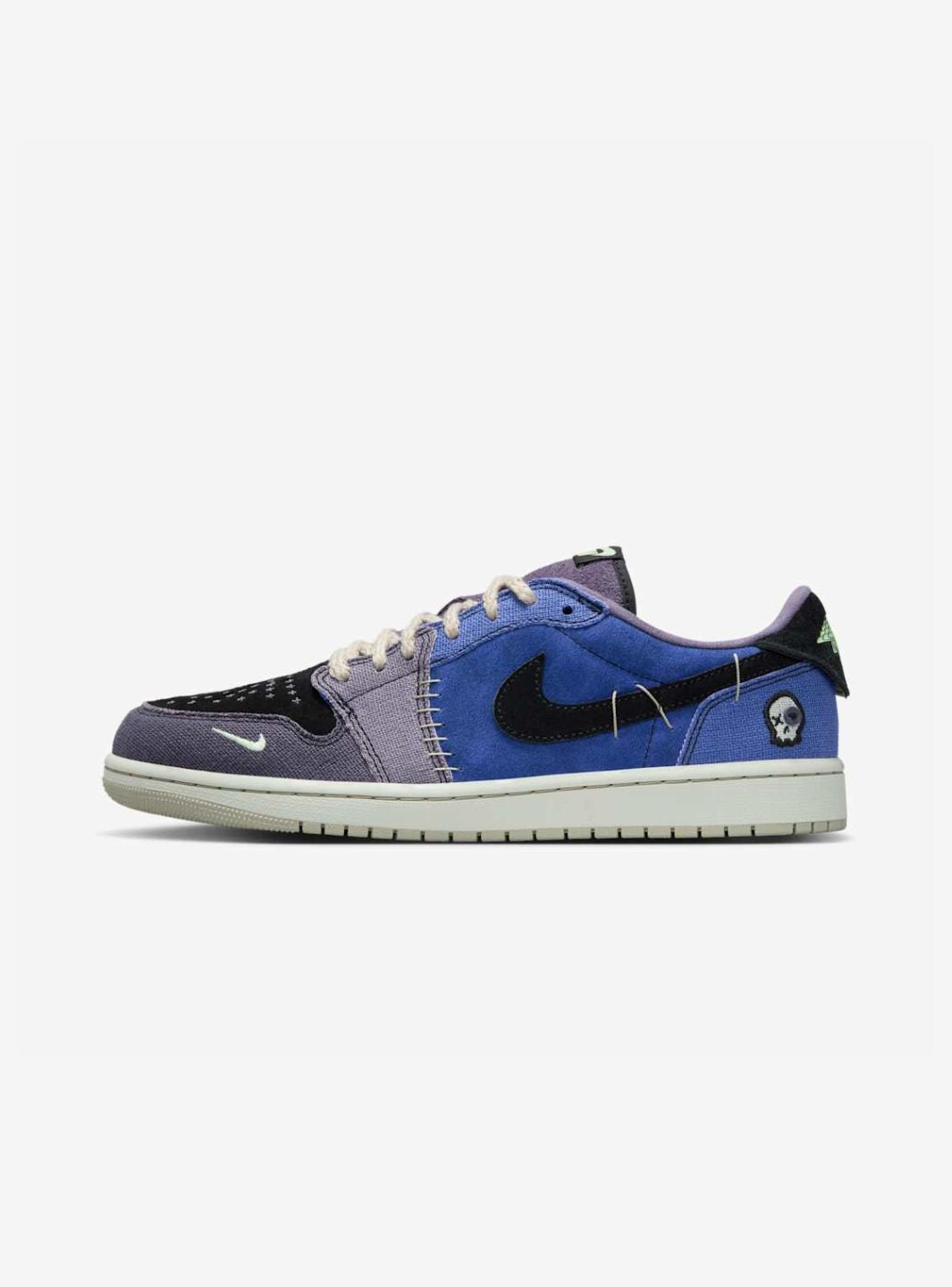
Explore the Air Jordan Collections

Air Jordan: iconic models, history and sneaker culture
Air Jordan was born from the collaboration between Nike and Michael Jordan in the 1980s and transformed a line designed for basketball into one of the most recognizable benchmarks of sneaker culture. Over the generations, models developed around the Jordan figure have transcended their sporting context, entering streetwear, fashion and collecting.
Within the universe of sneakers, Air Jordan occupies a unique space because it does not identify a single shoe, but a family of silhouettes that are very different in terms of design, construction and historical period. From the first generations of the 1980s to the models of the 1990s, up to the Retro versions and contemporary collaborations, every Air Jordan tells a different phase of the brand's history.
Air Jordan 1, 2, 3, 4 and 5
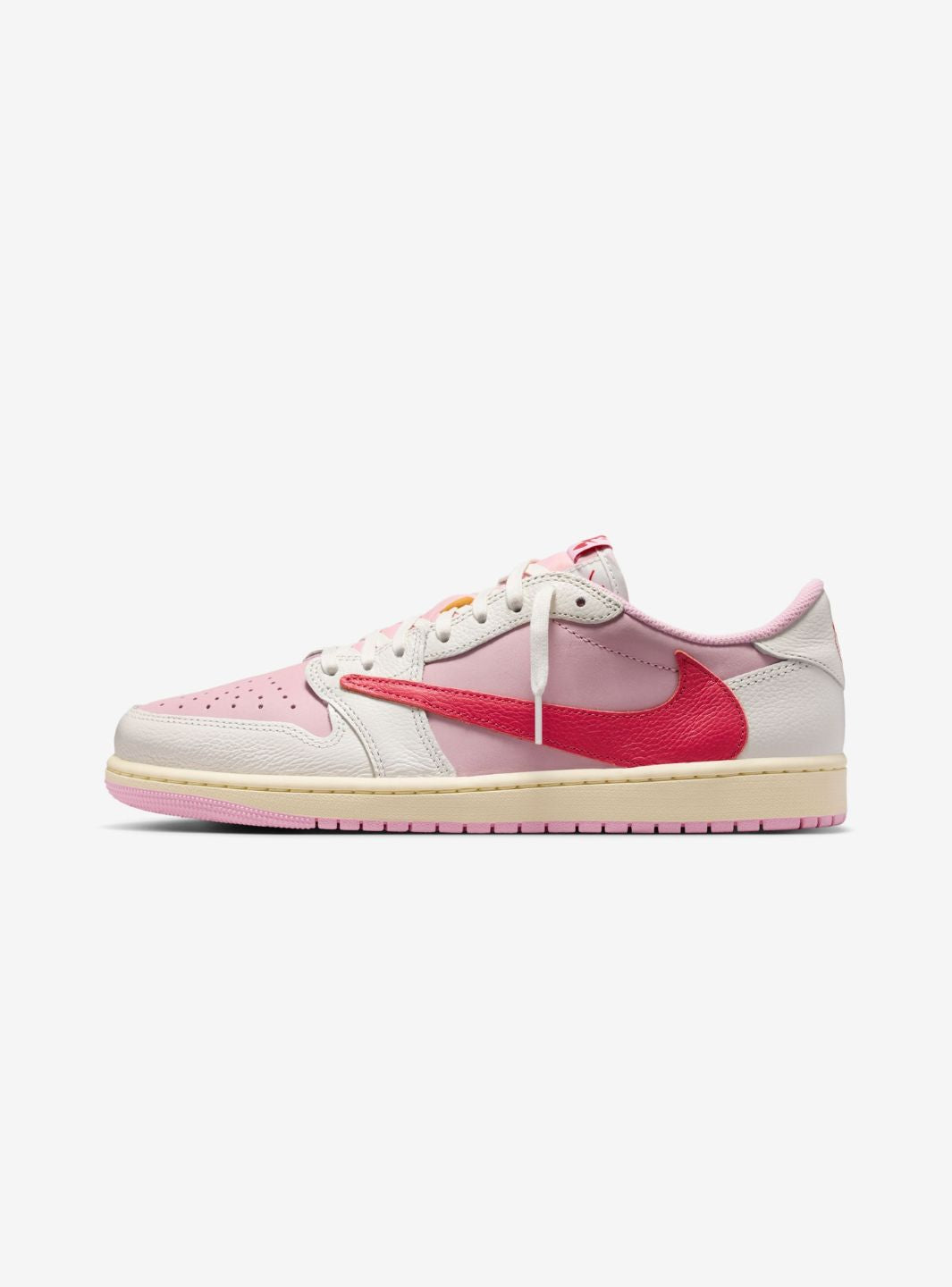
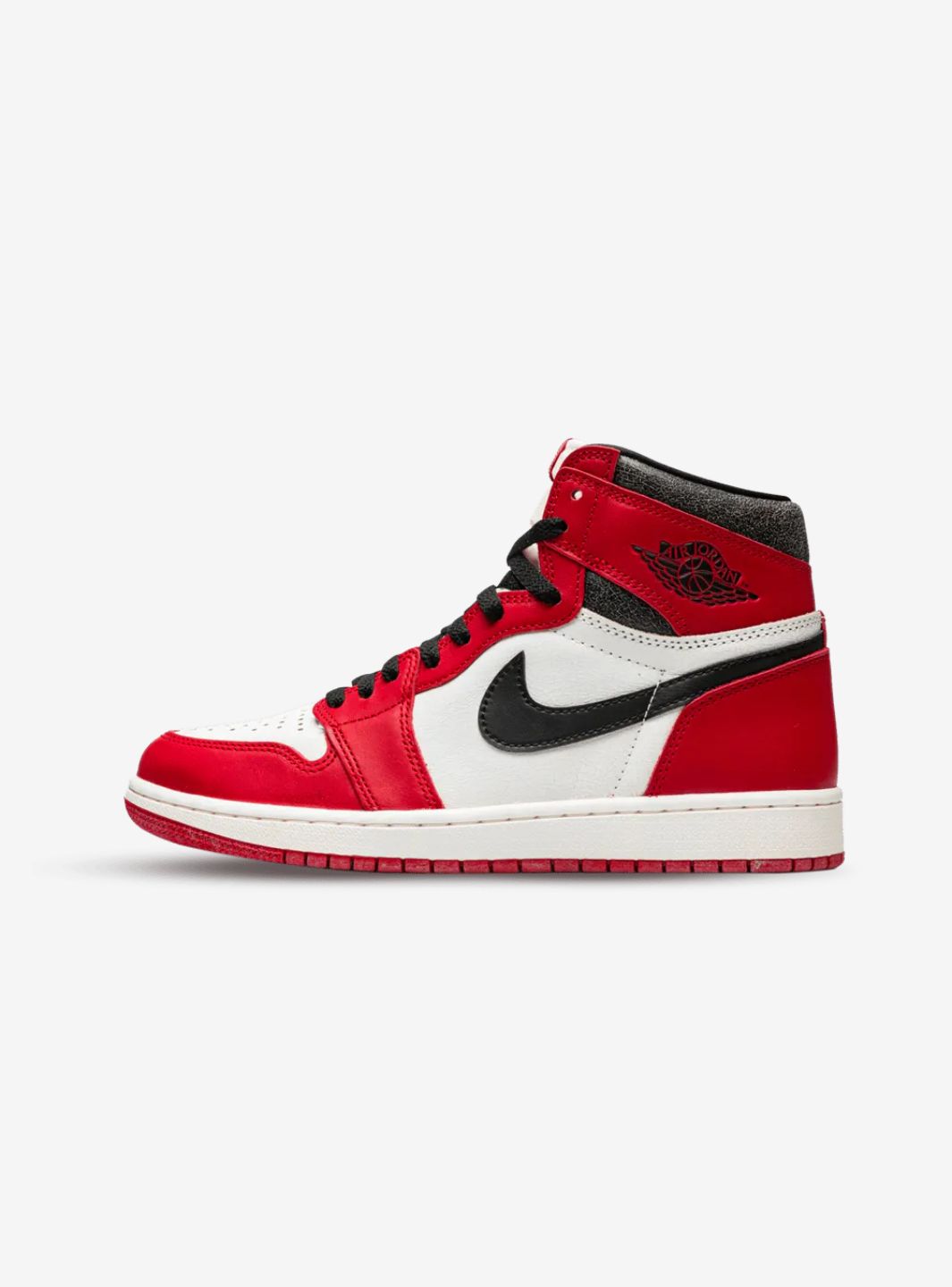
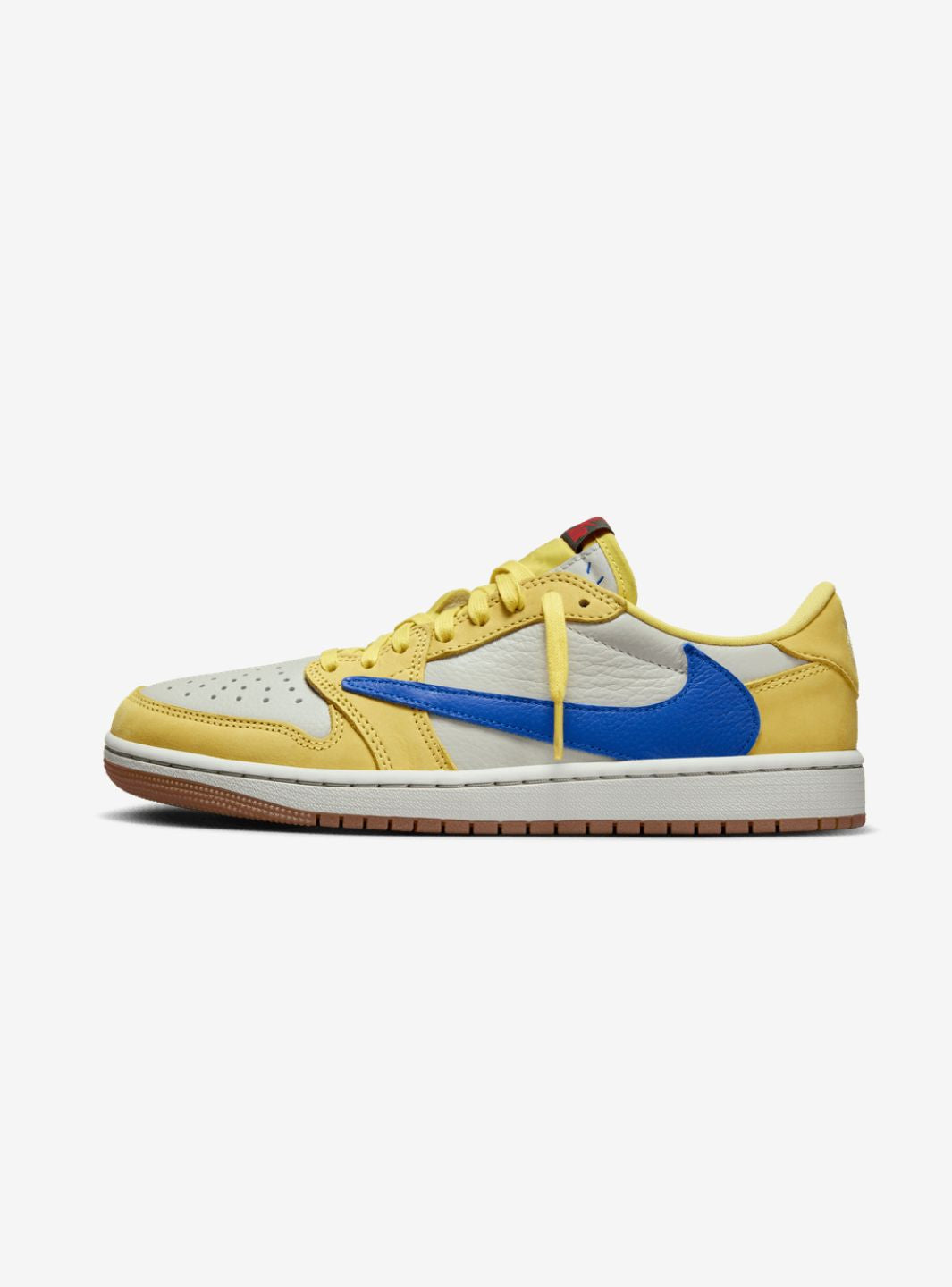
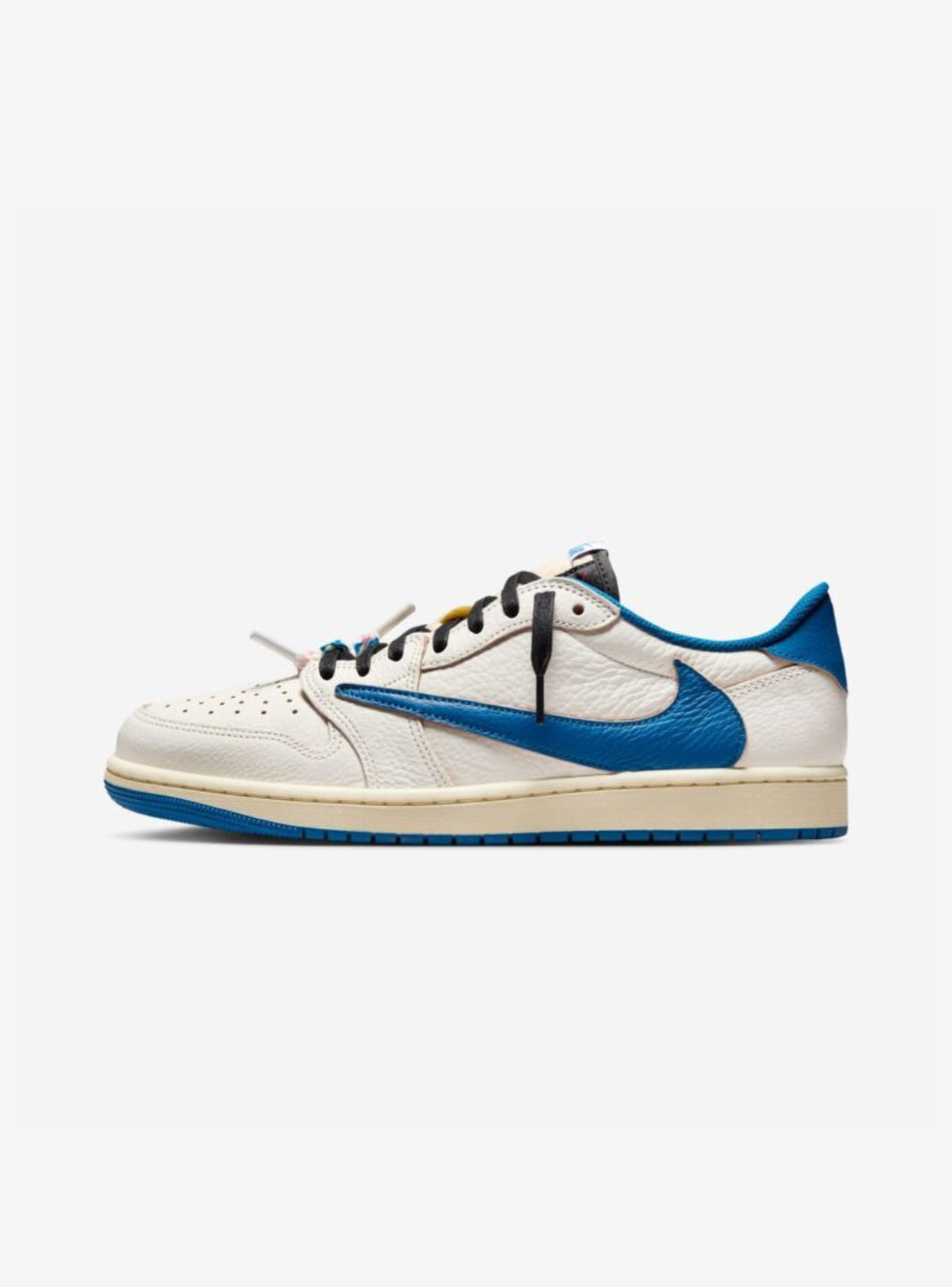
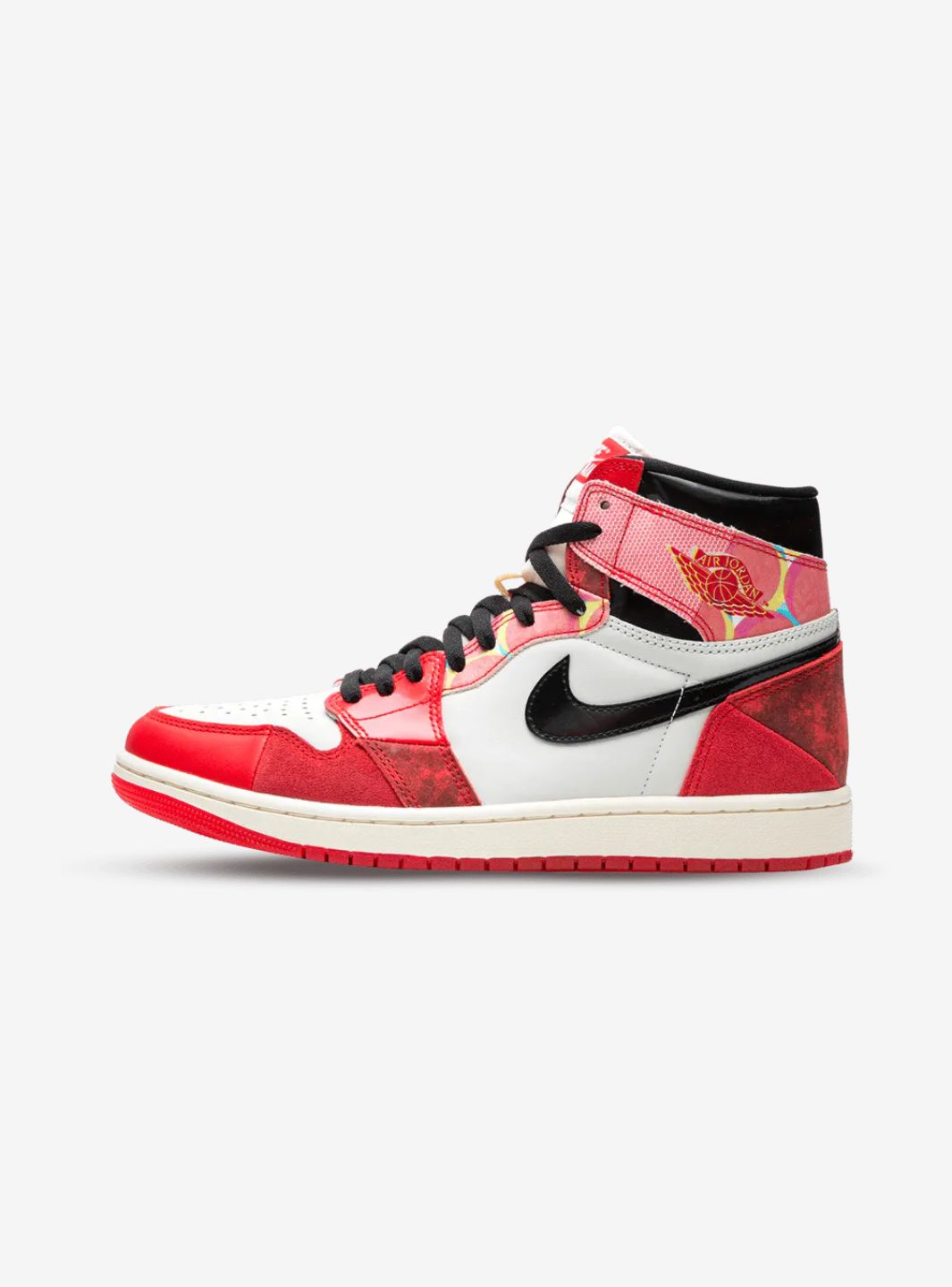
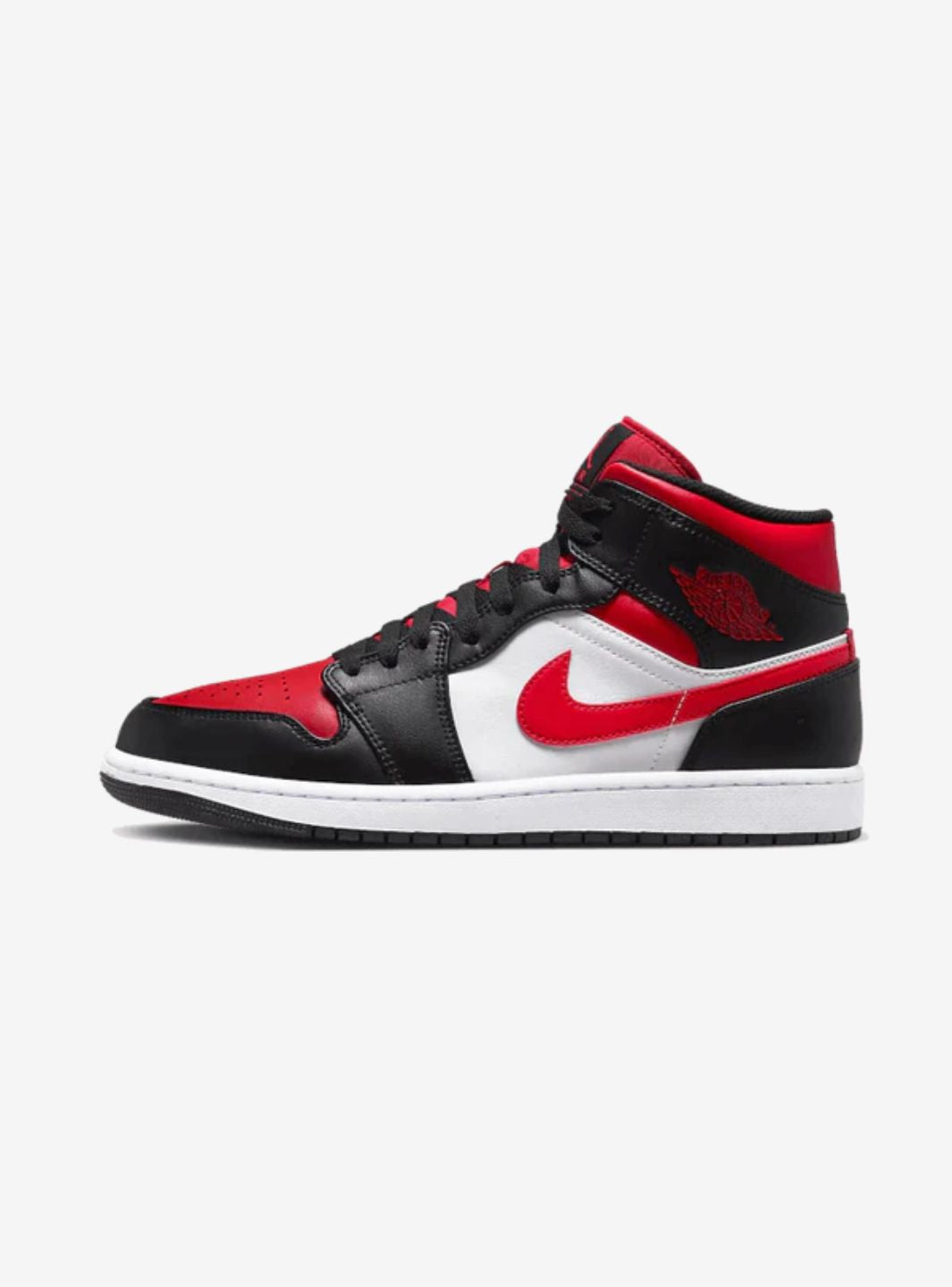
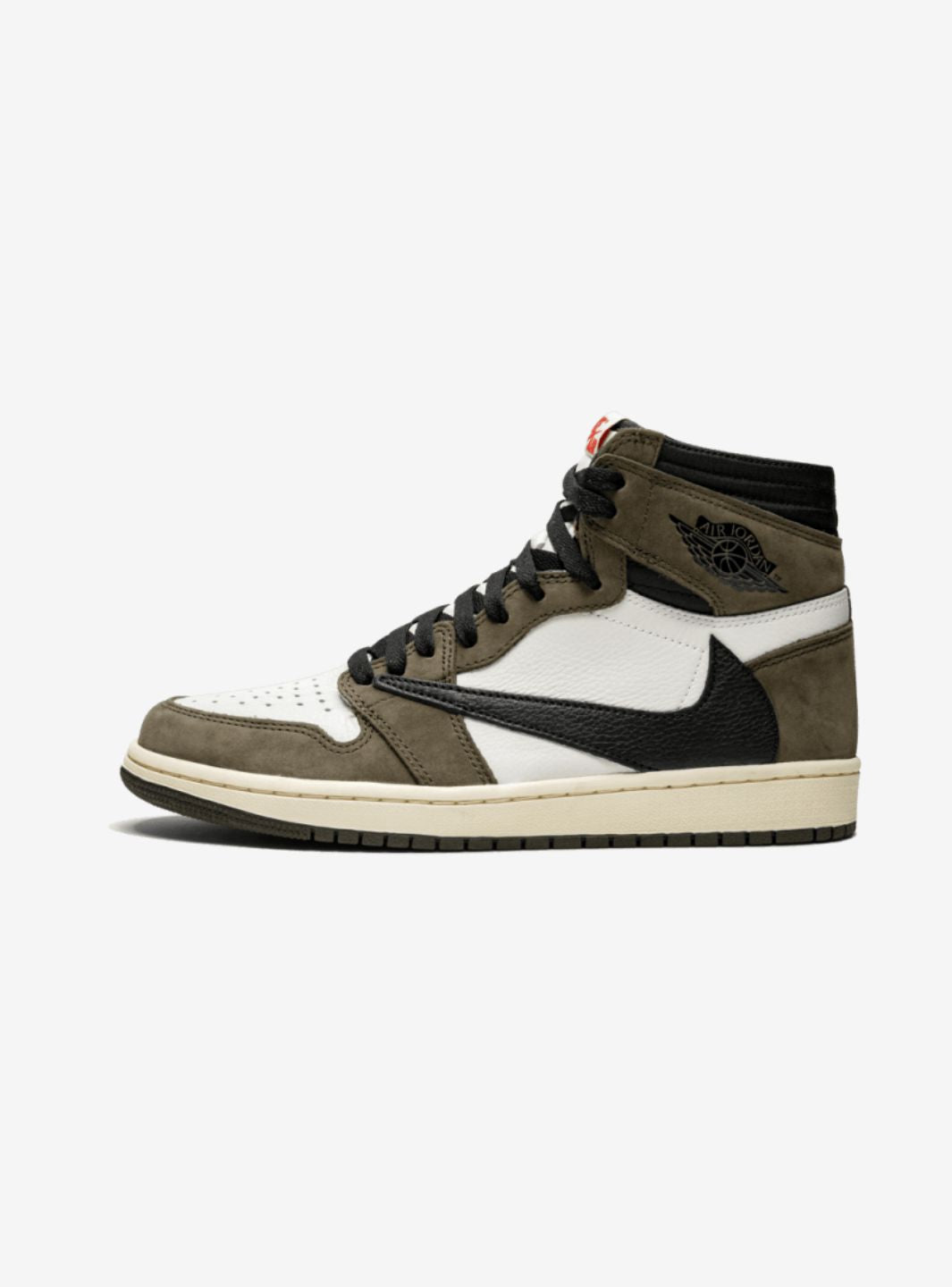
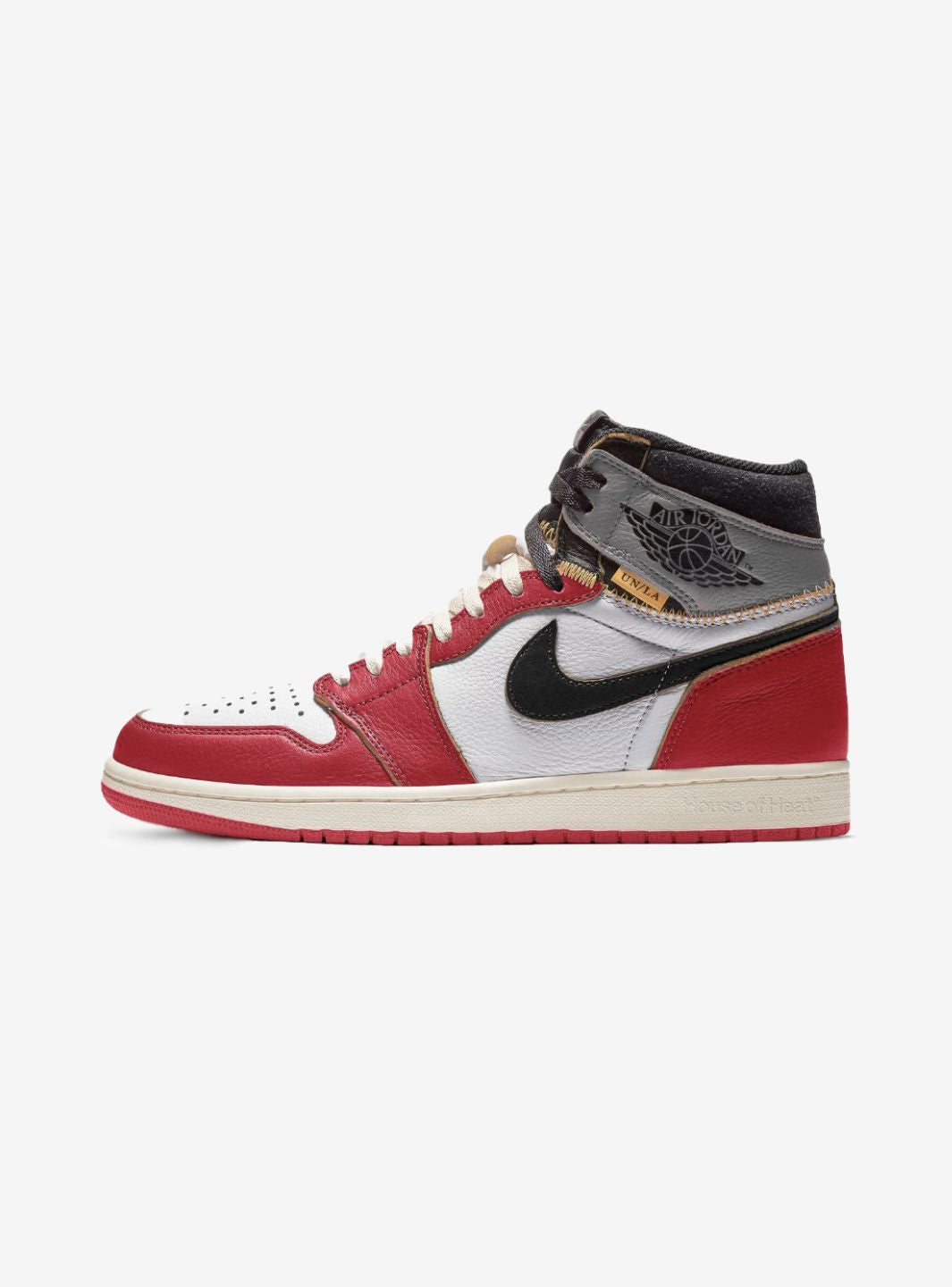
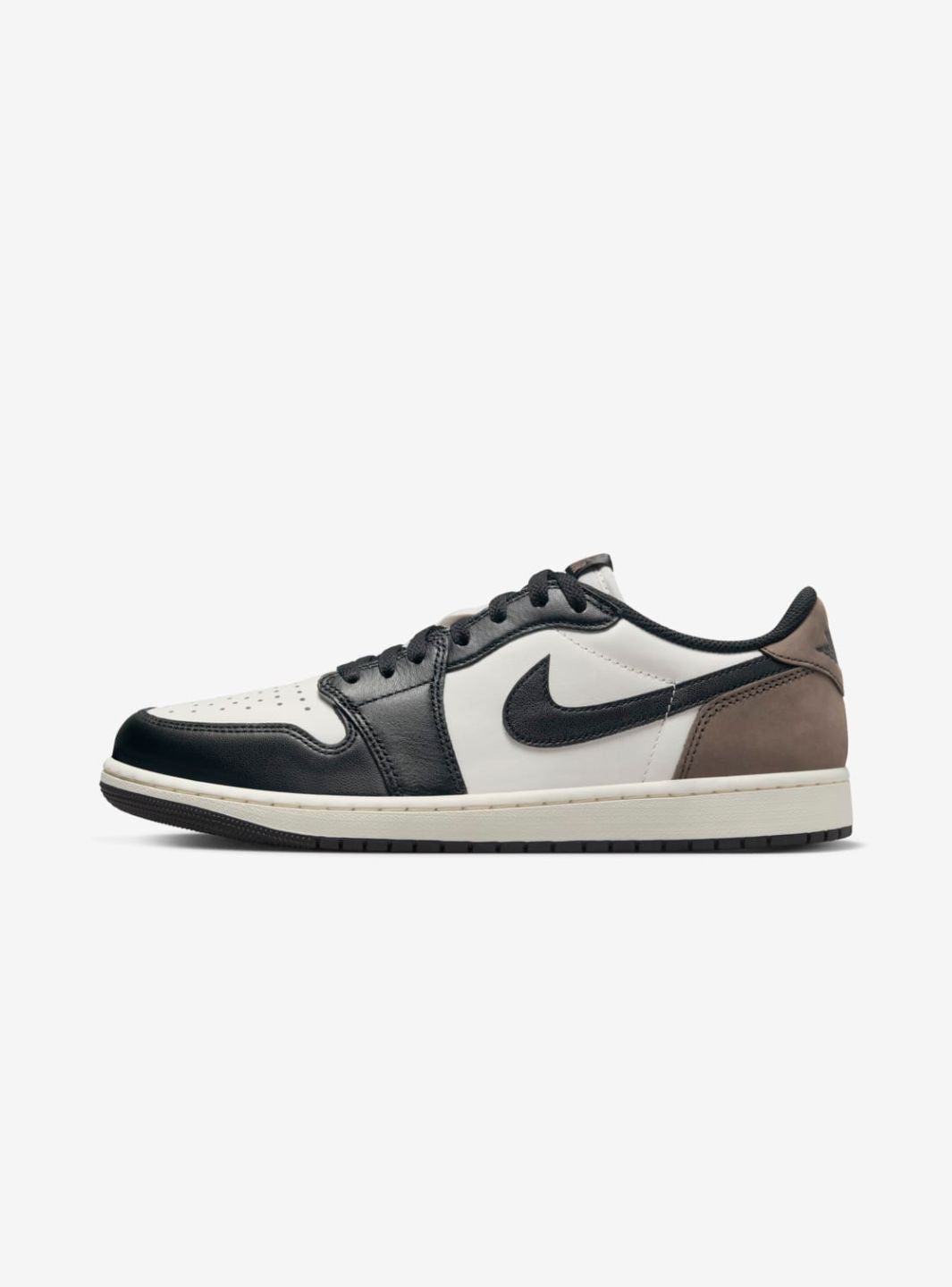
The Air Jordan 1 represents the starting point of the line and remains one of the most recognizable silhouettes in the entire Jordan universe to this day. Its proportions derive from 1980s basketball, but historic colorways, Retro versions and collaborations have allowed it to cross generations and different styles.
The Air Jordan 2, on the other hand, distances itself from the approach of the first Jordan through a more essential and refined aesthetic, showing from the very first generations a desire to give each model its own identity.
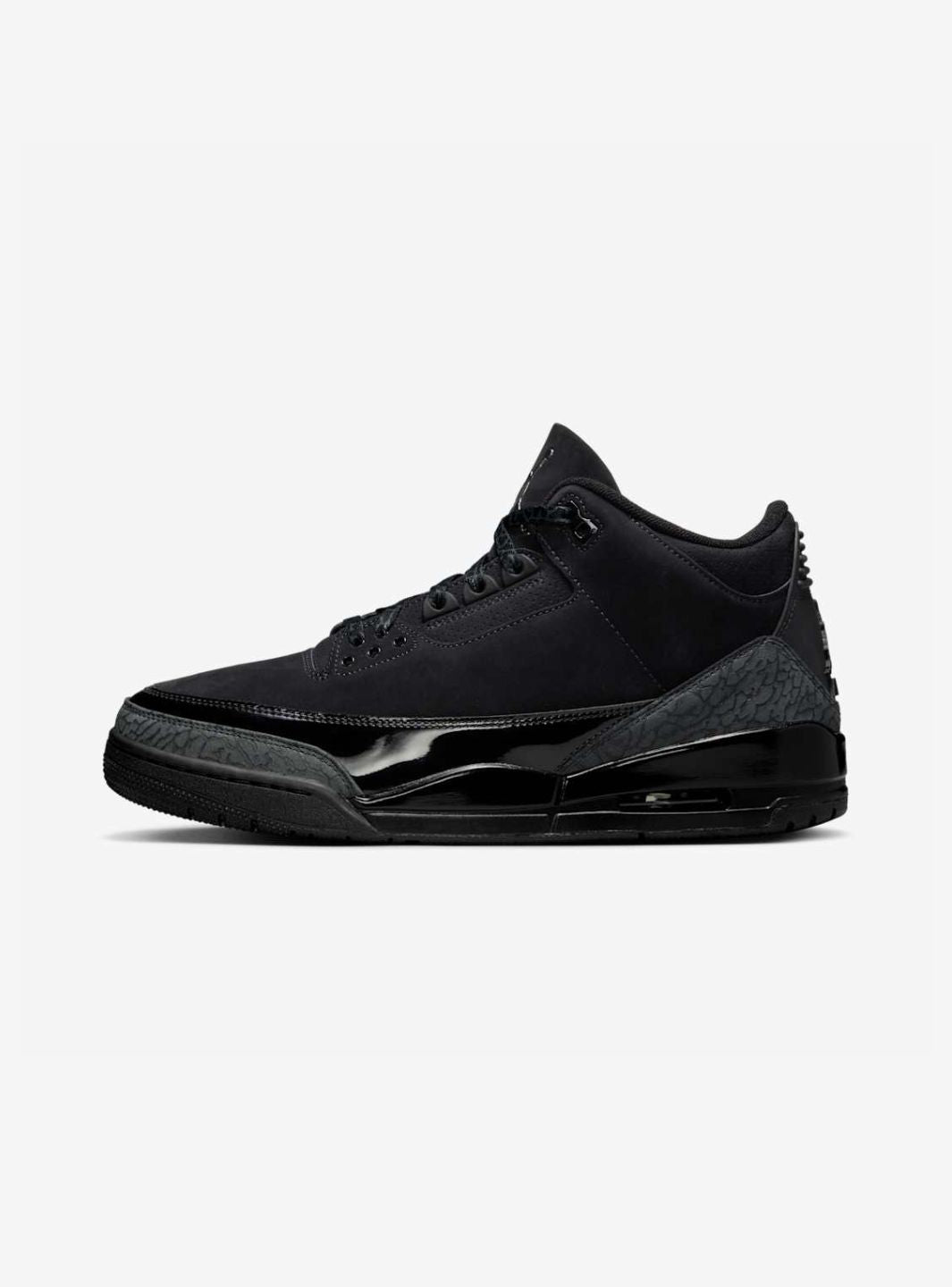
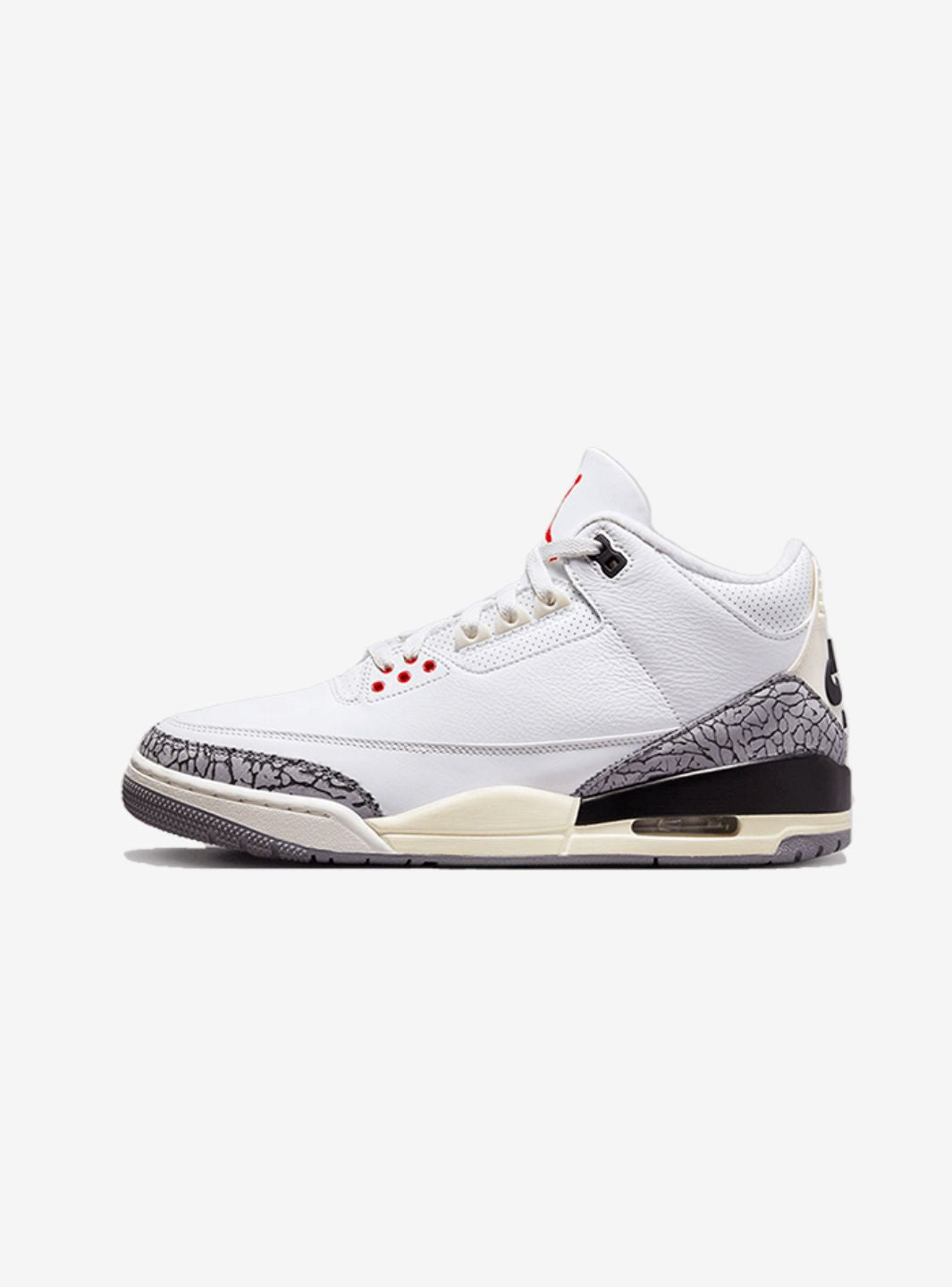
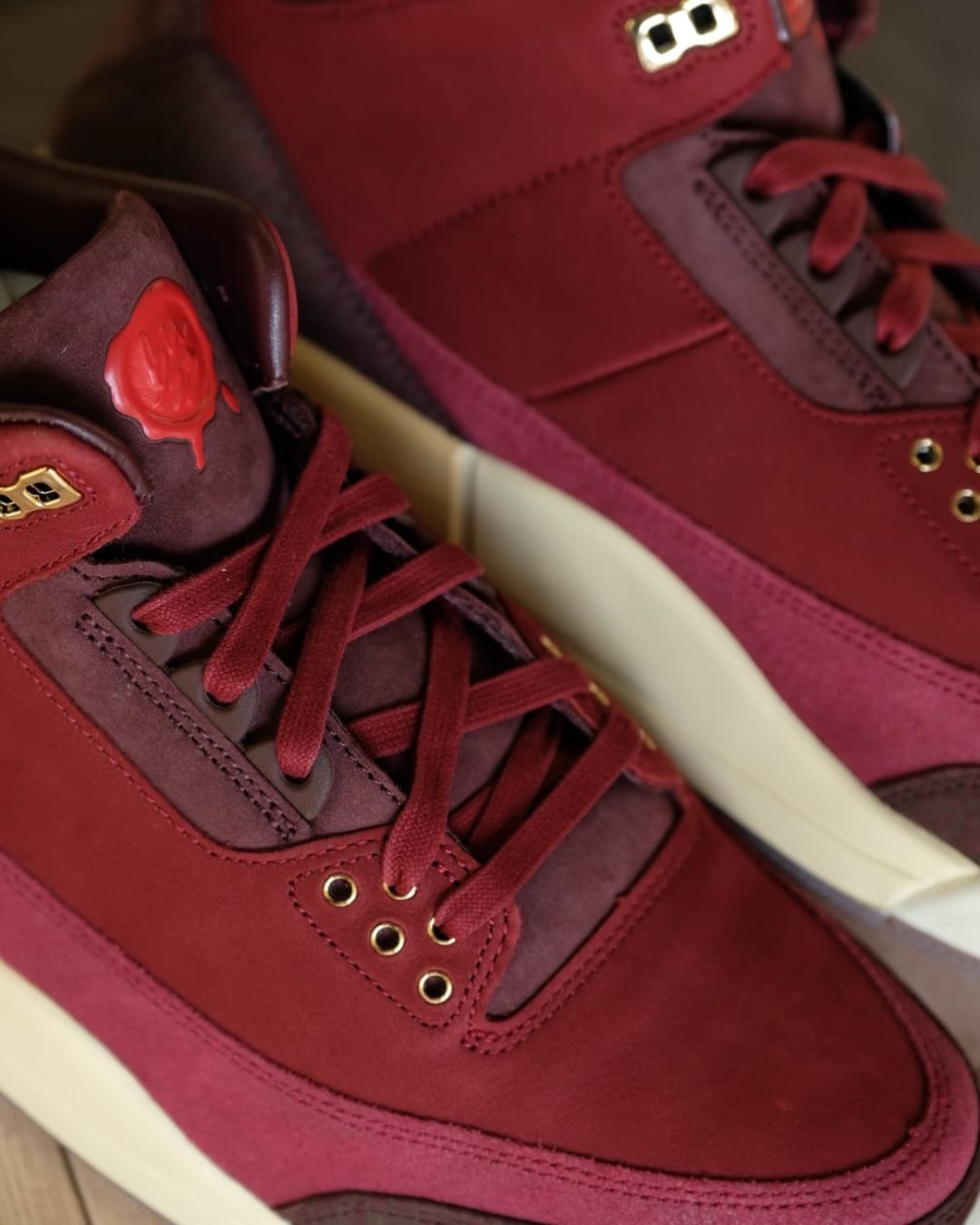
With the Air Jordan 3, the Jordan language changes again. The Elephant Print, the Jumpman and a construction profoundly different from the first two generations contribute to defining many of the aesthetic elements that would be associated with the brand in later years.
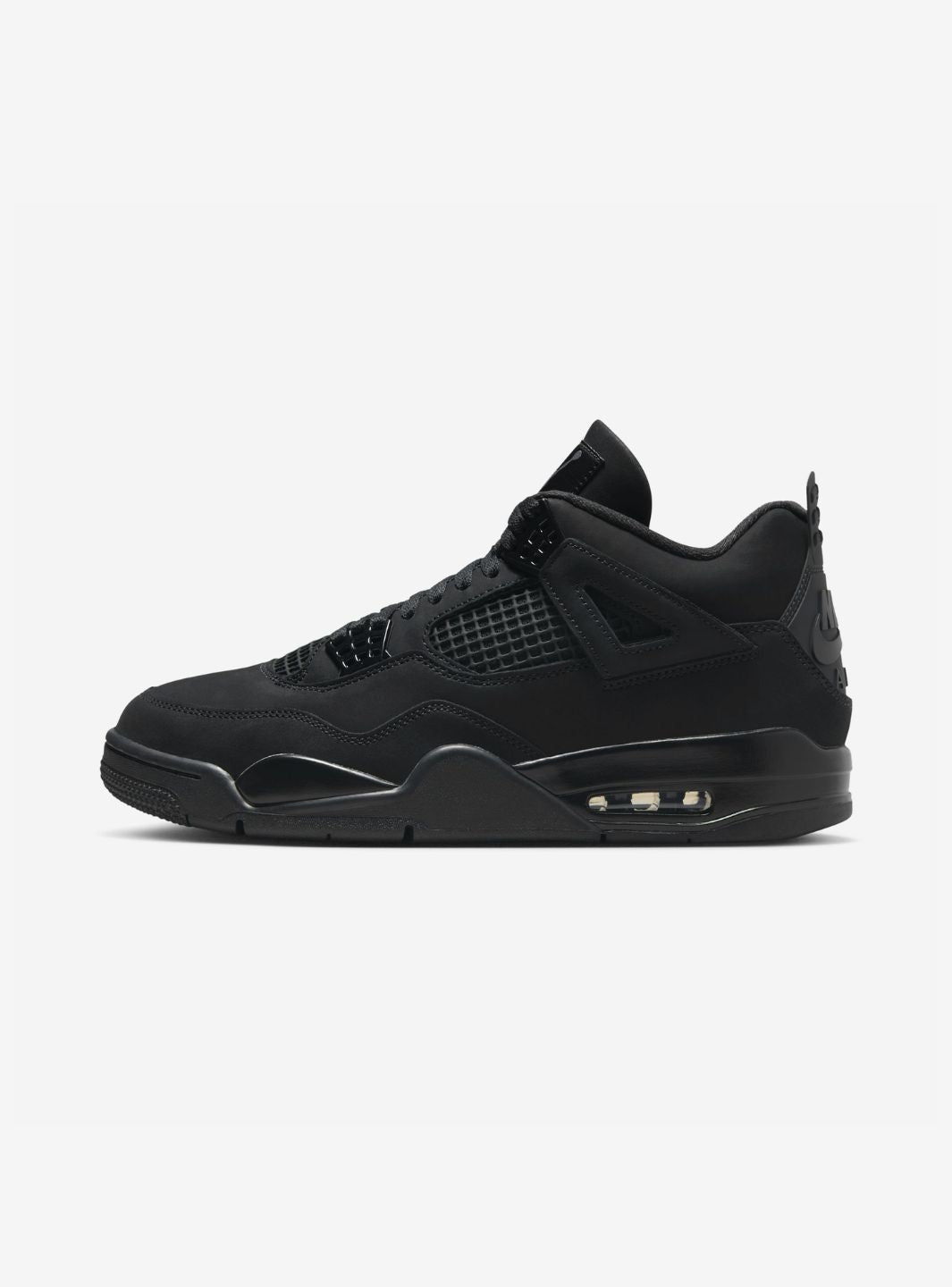
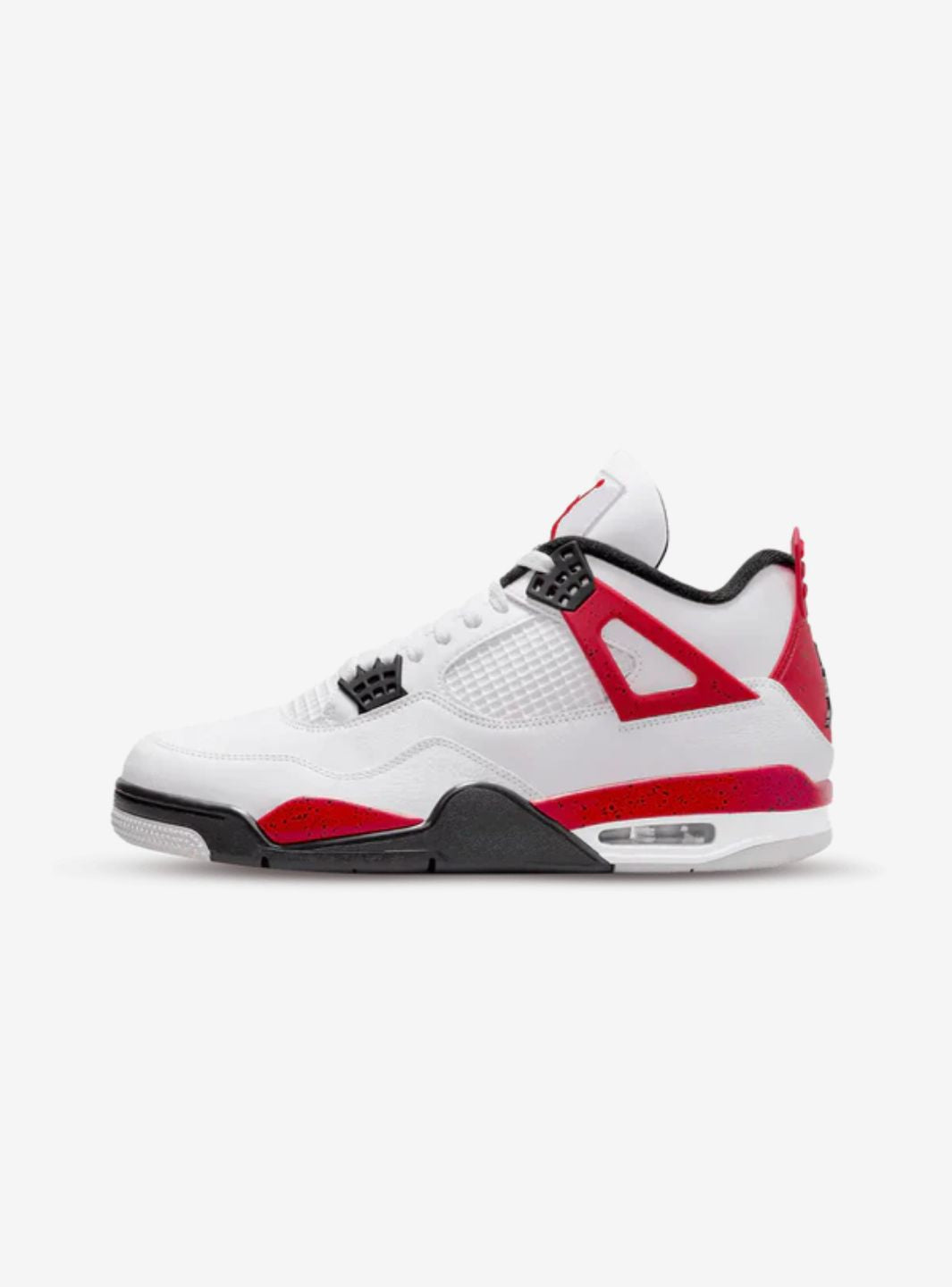
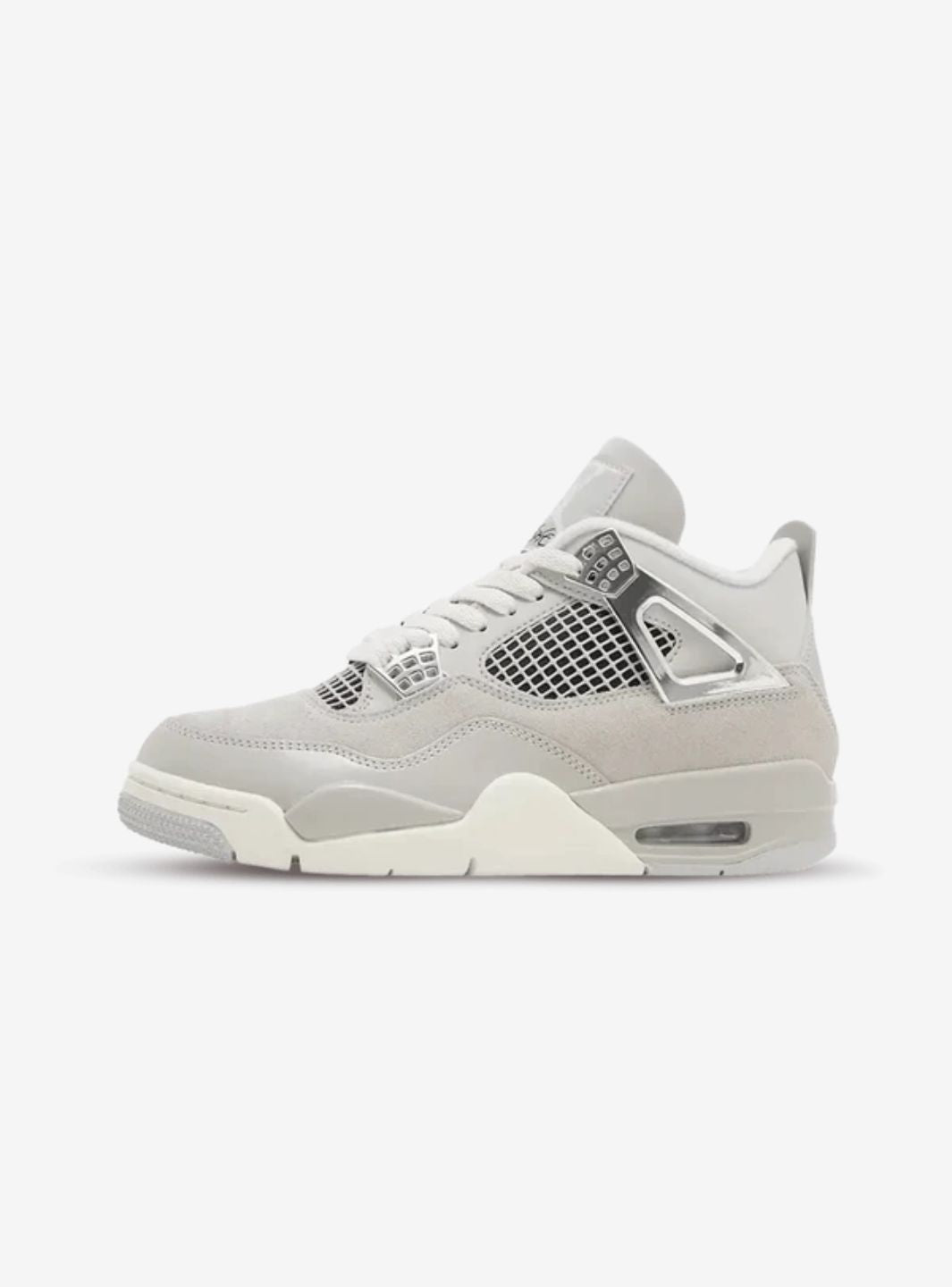
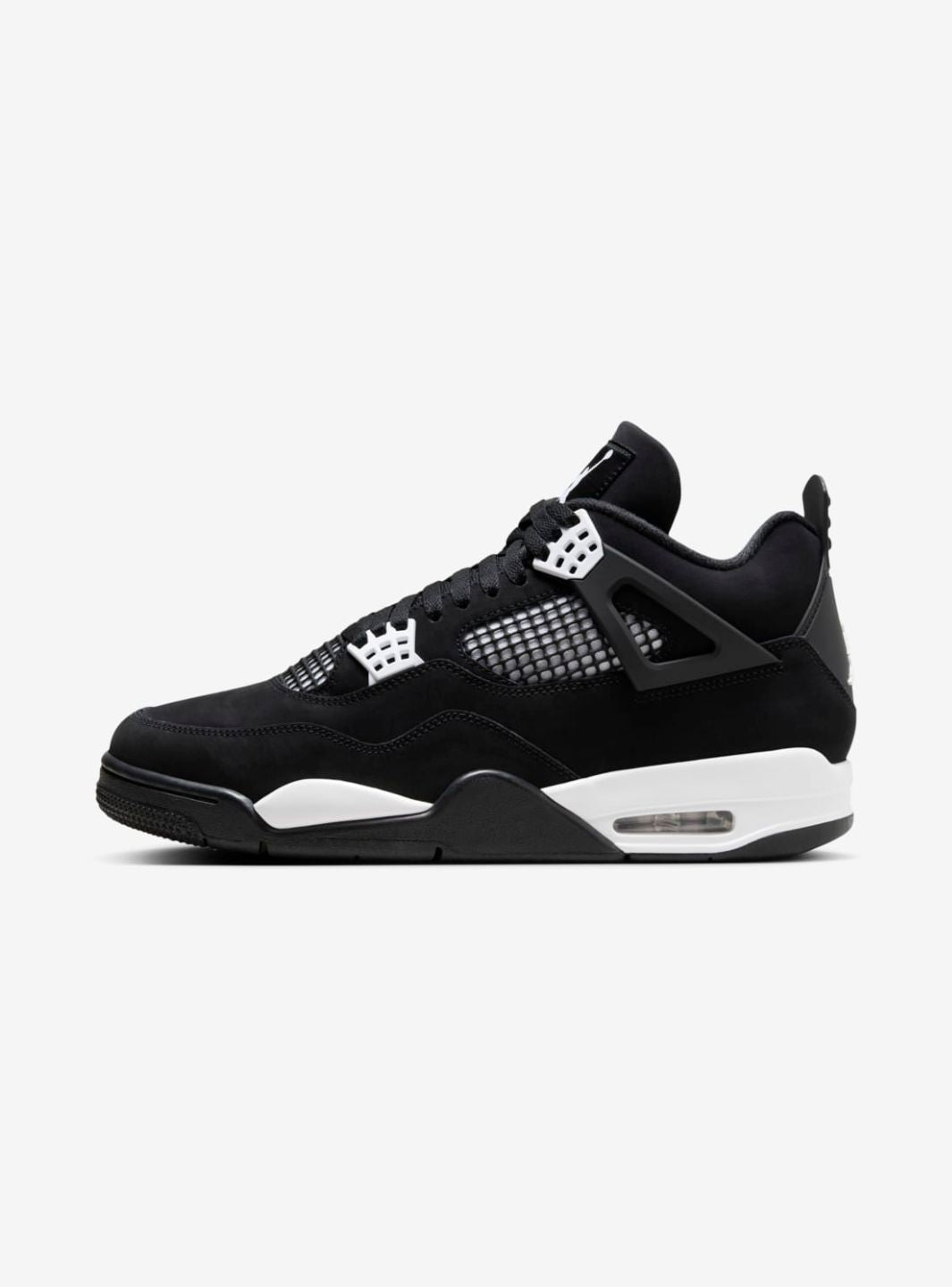
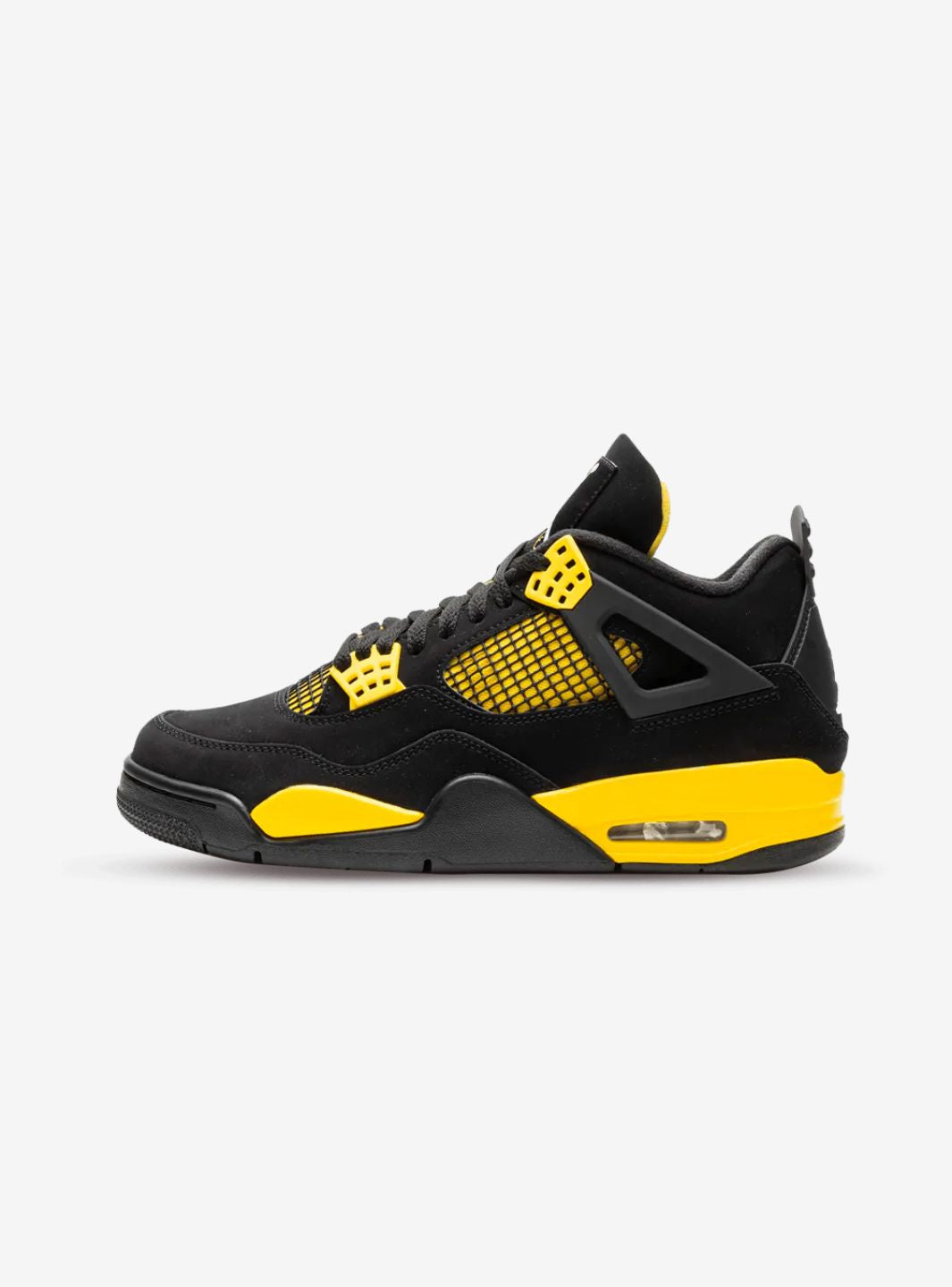
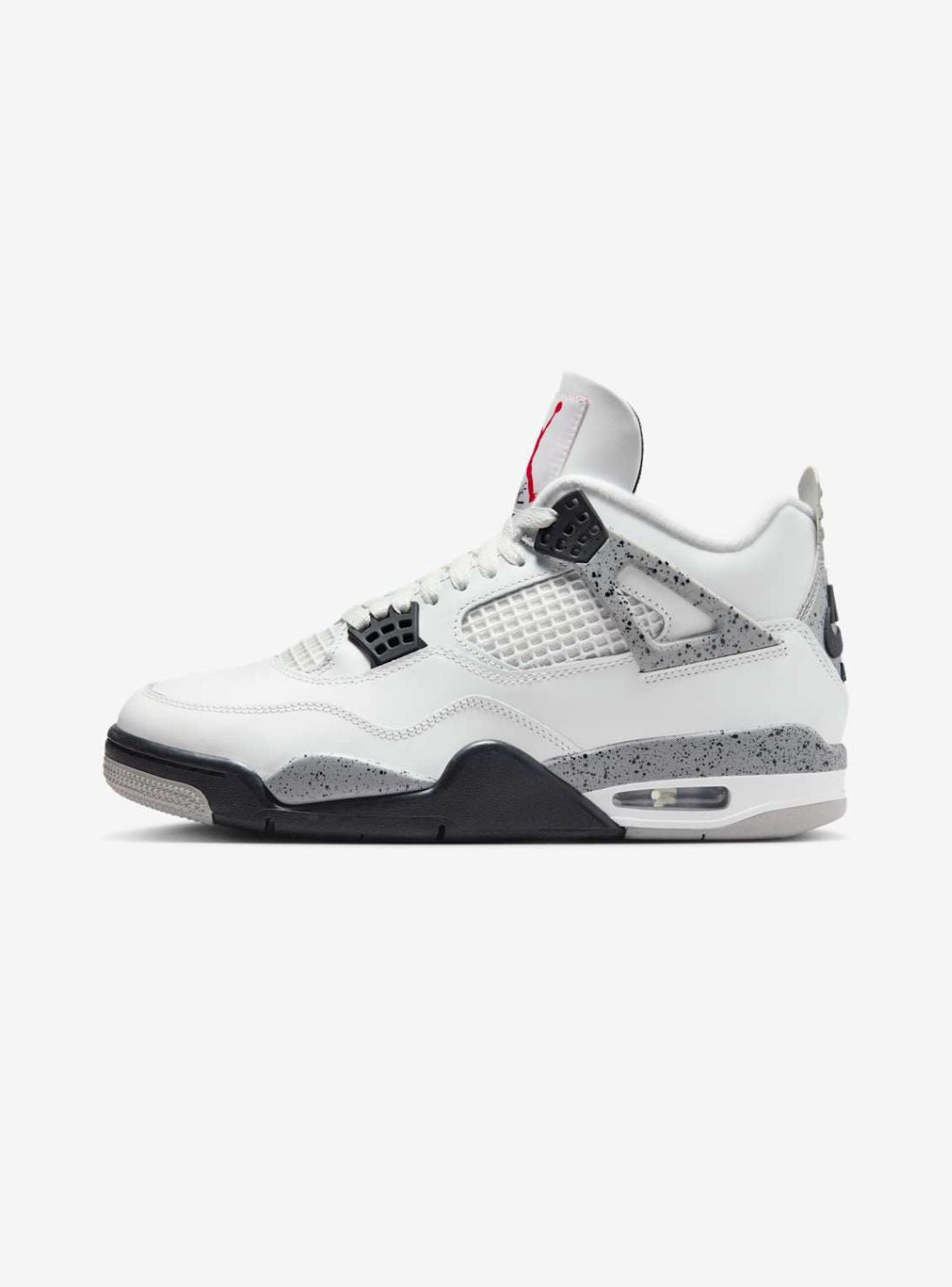
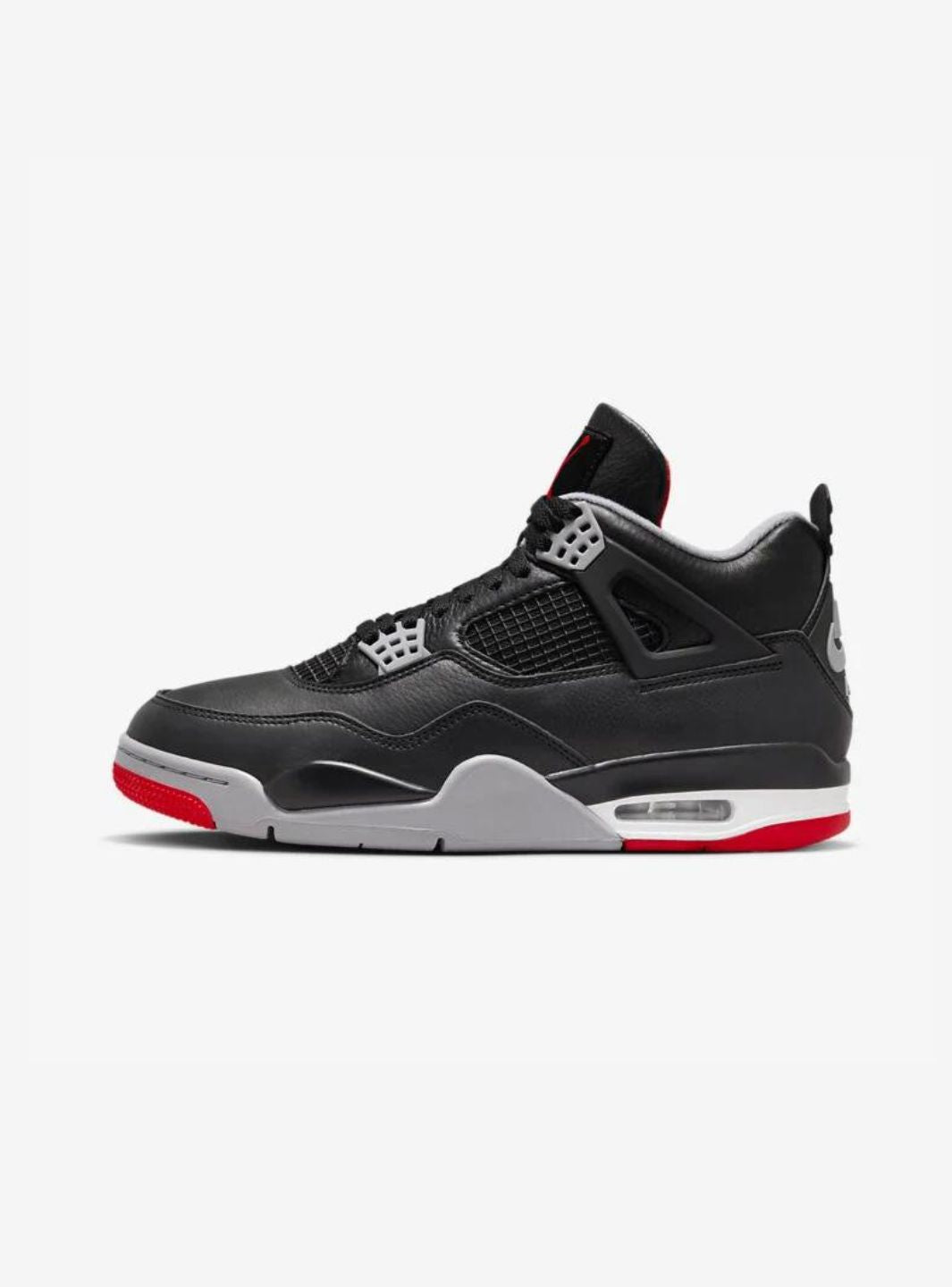
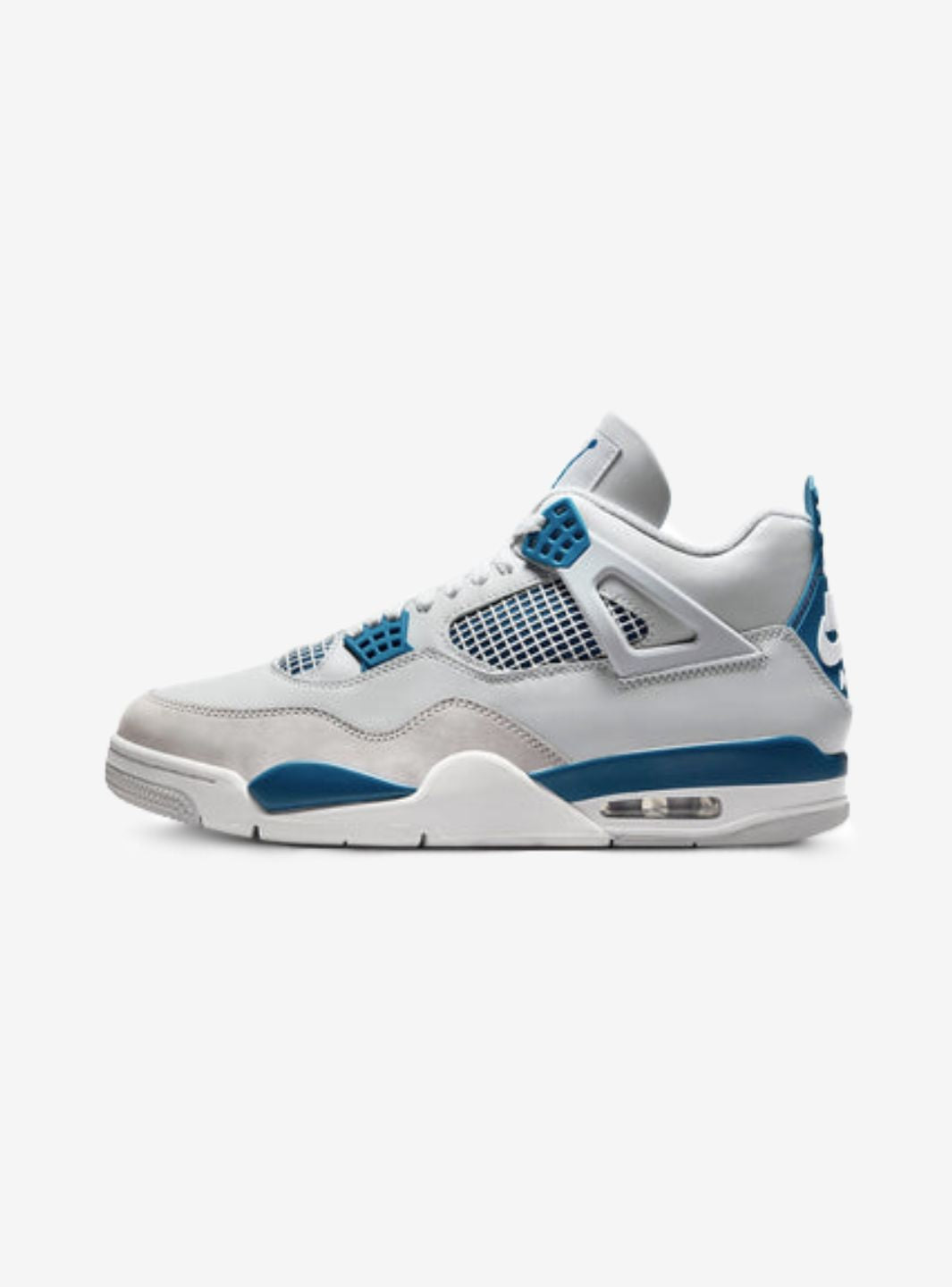
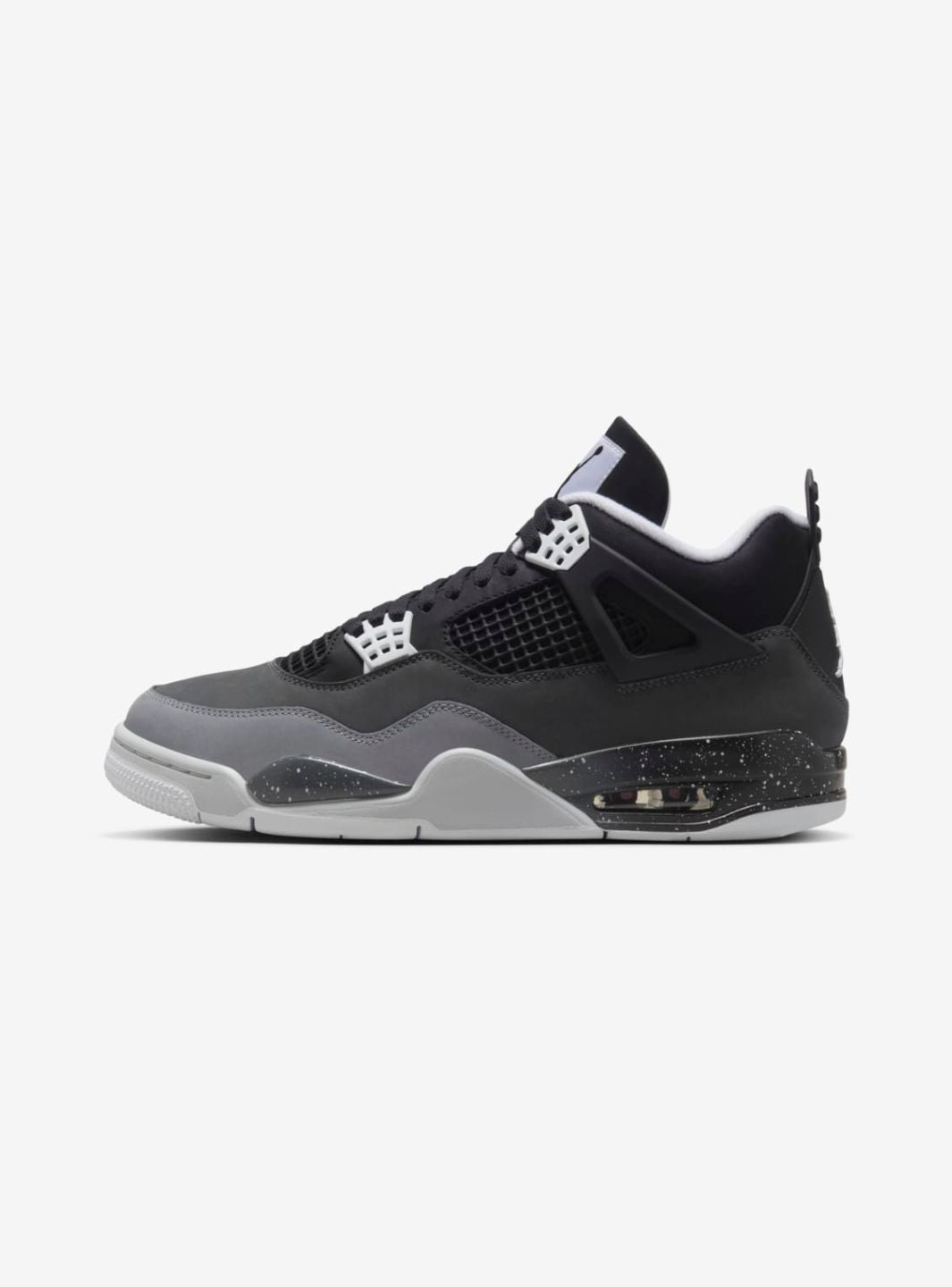
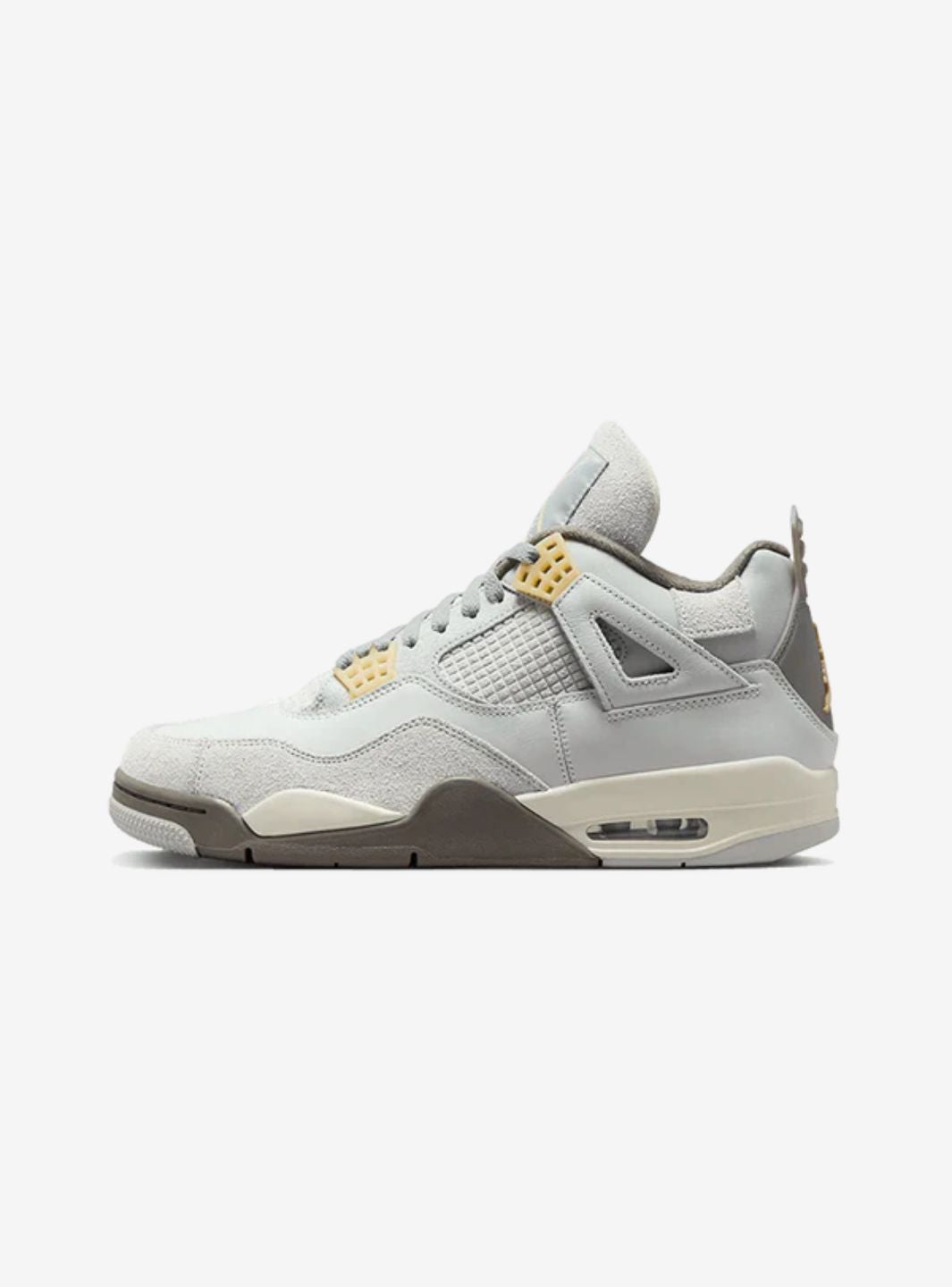
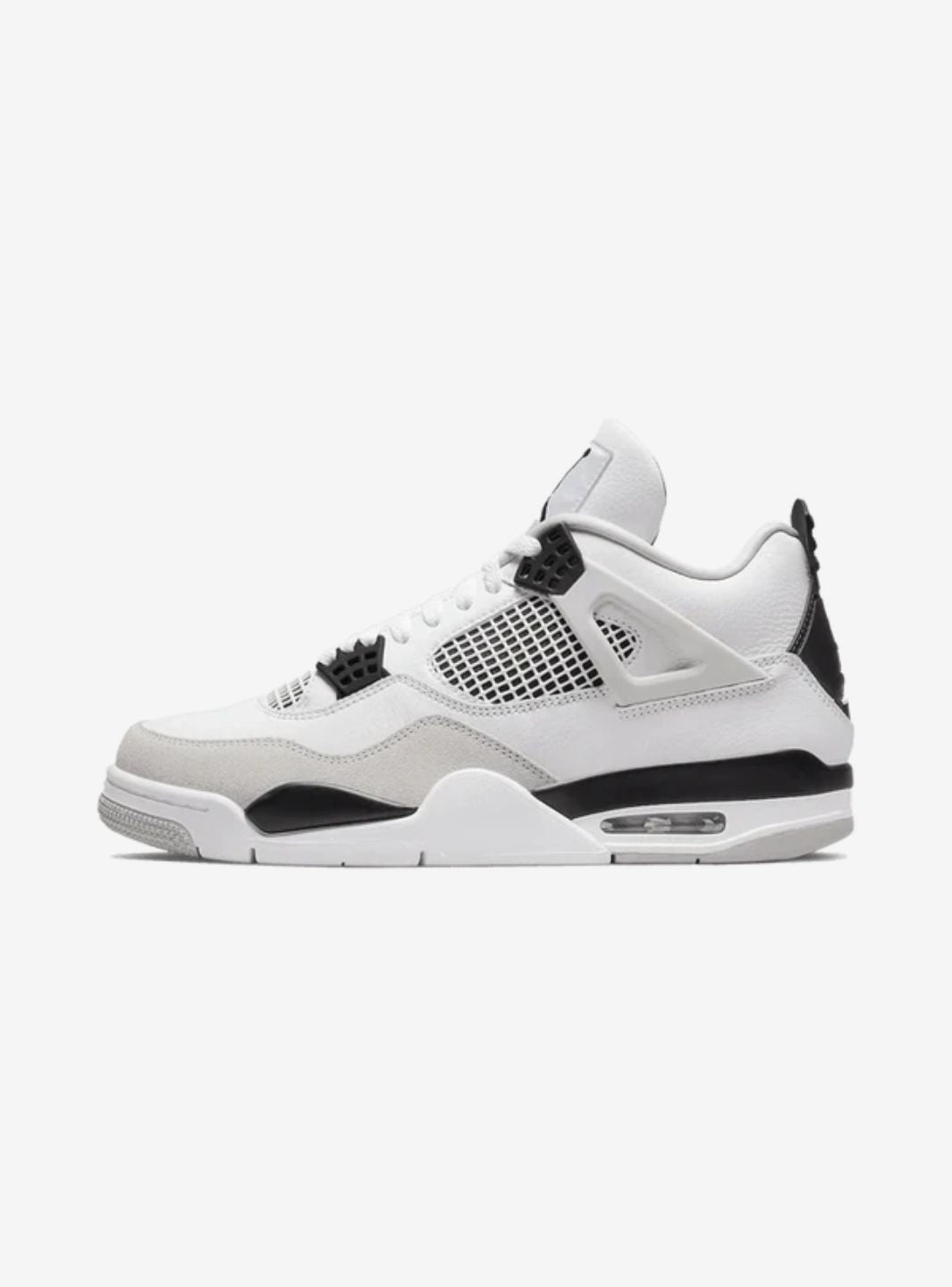
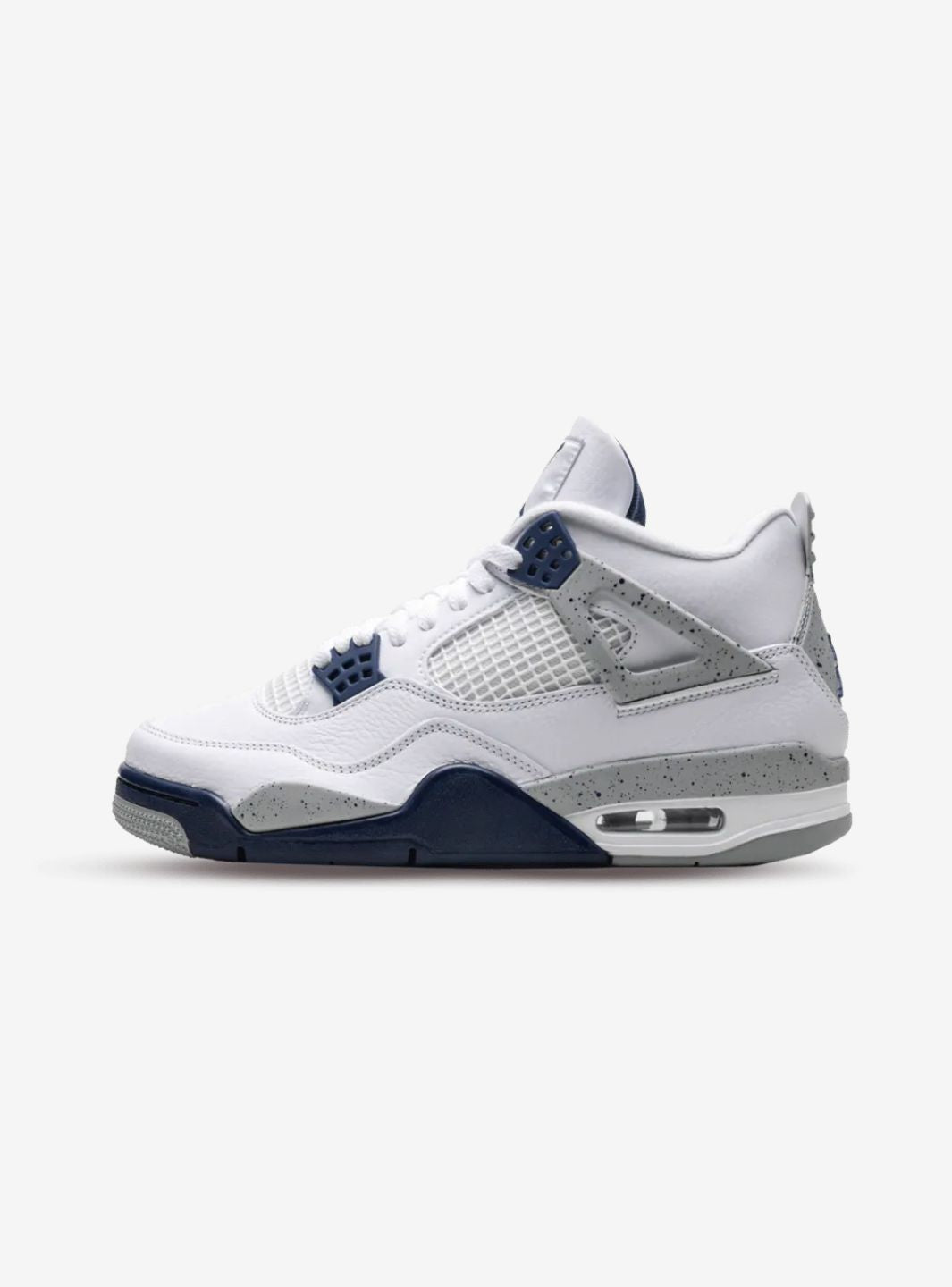
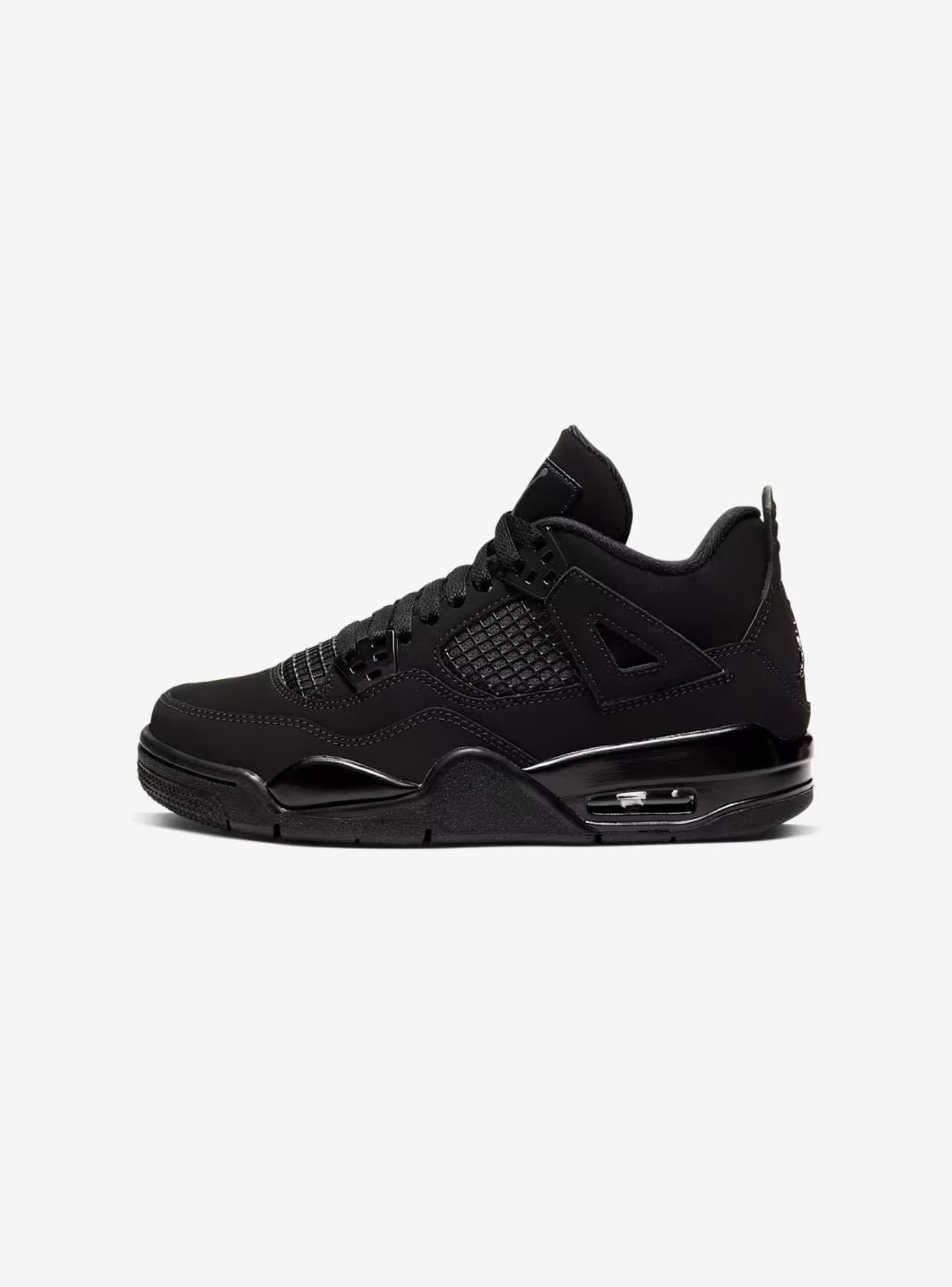
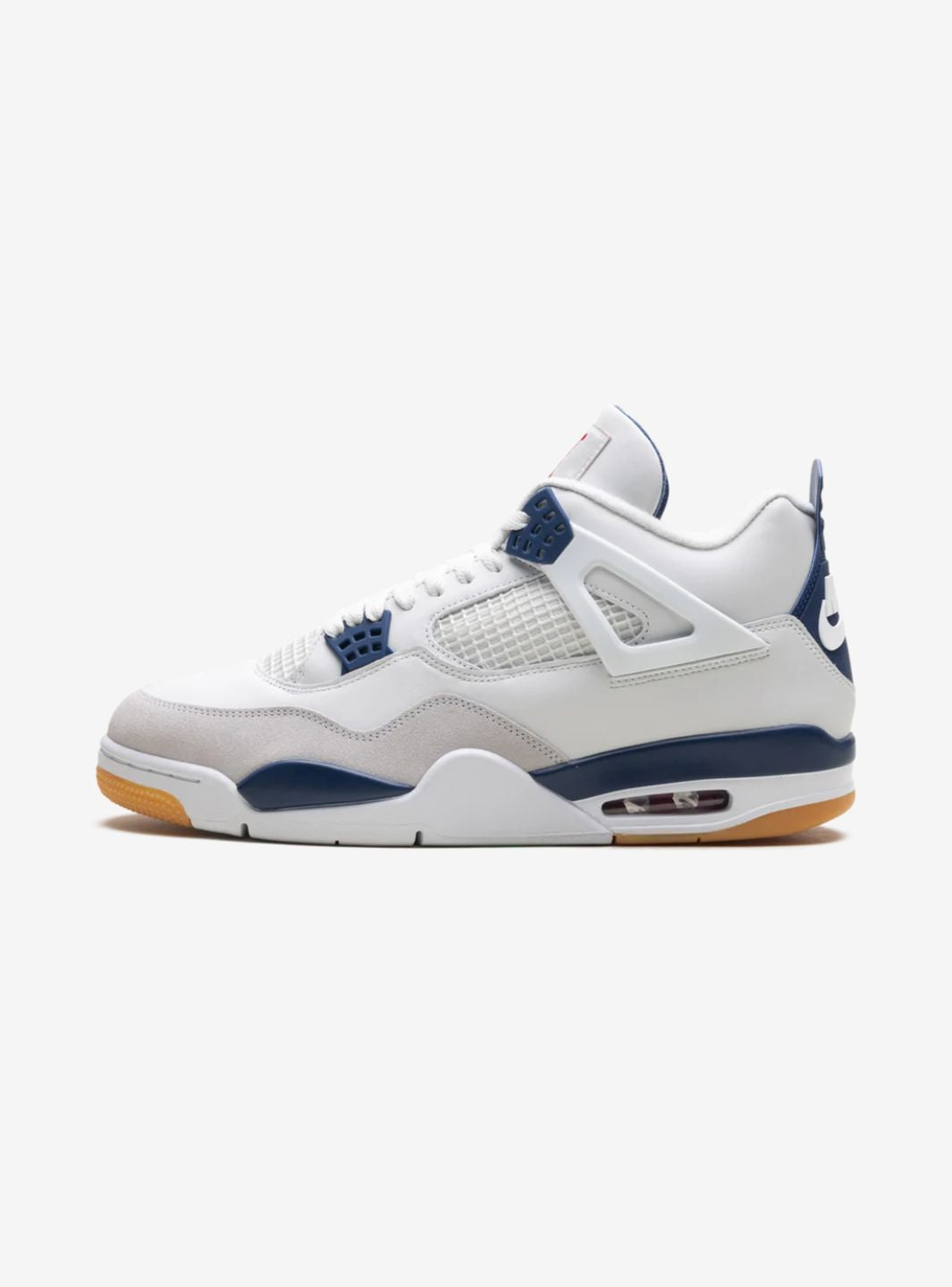
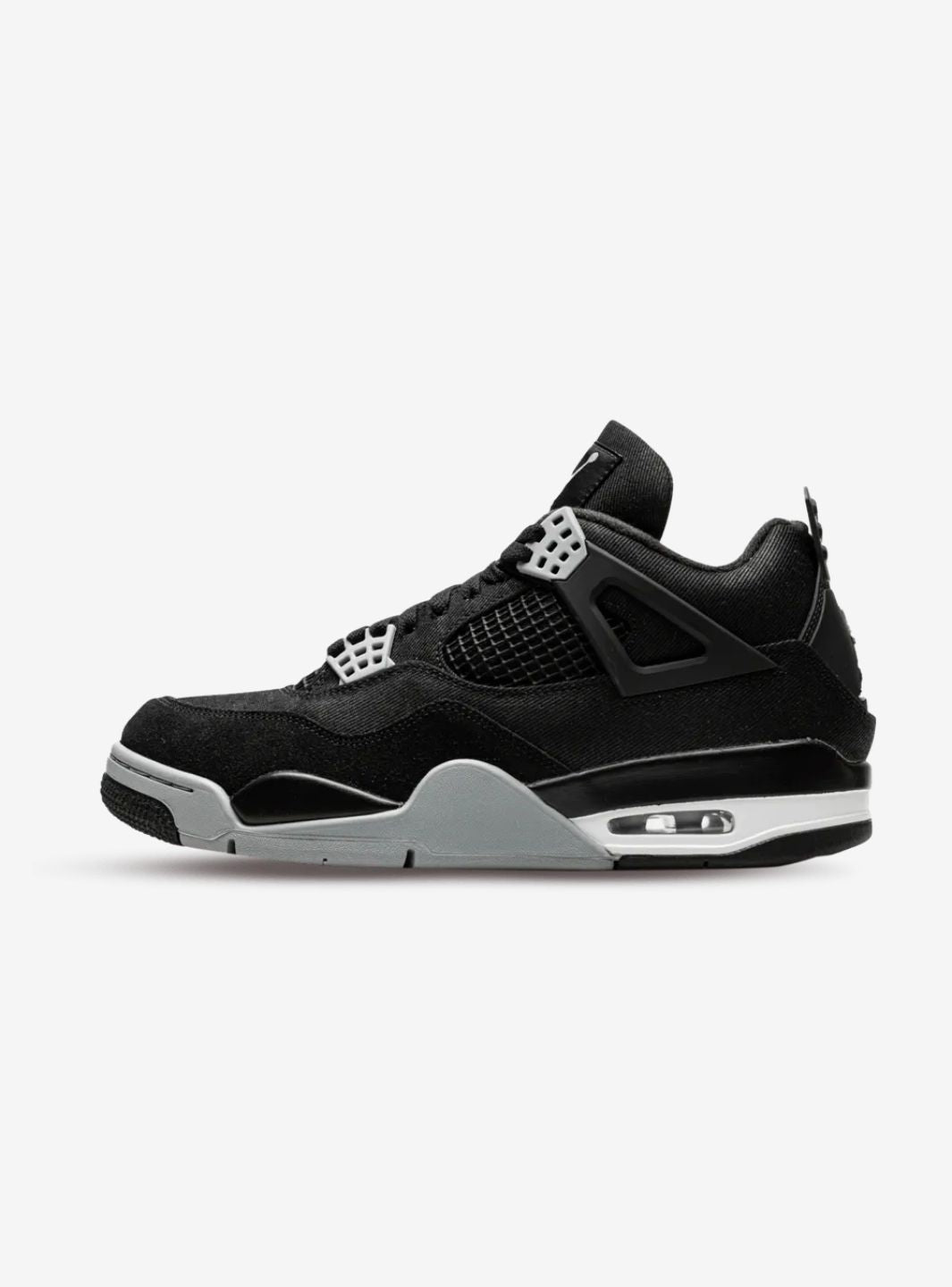
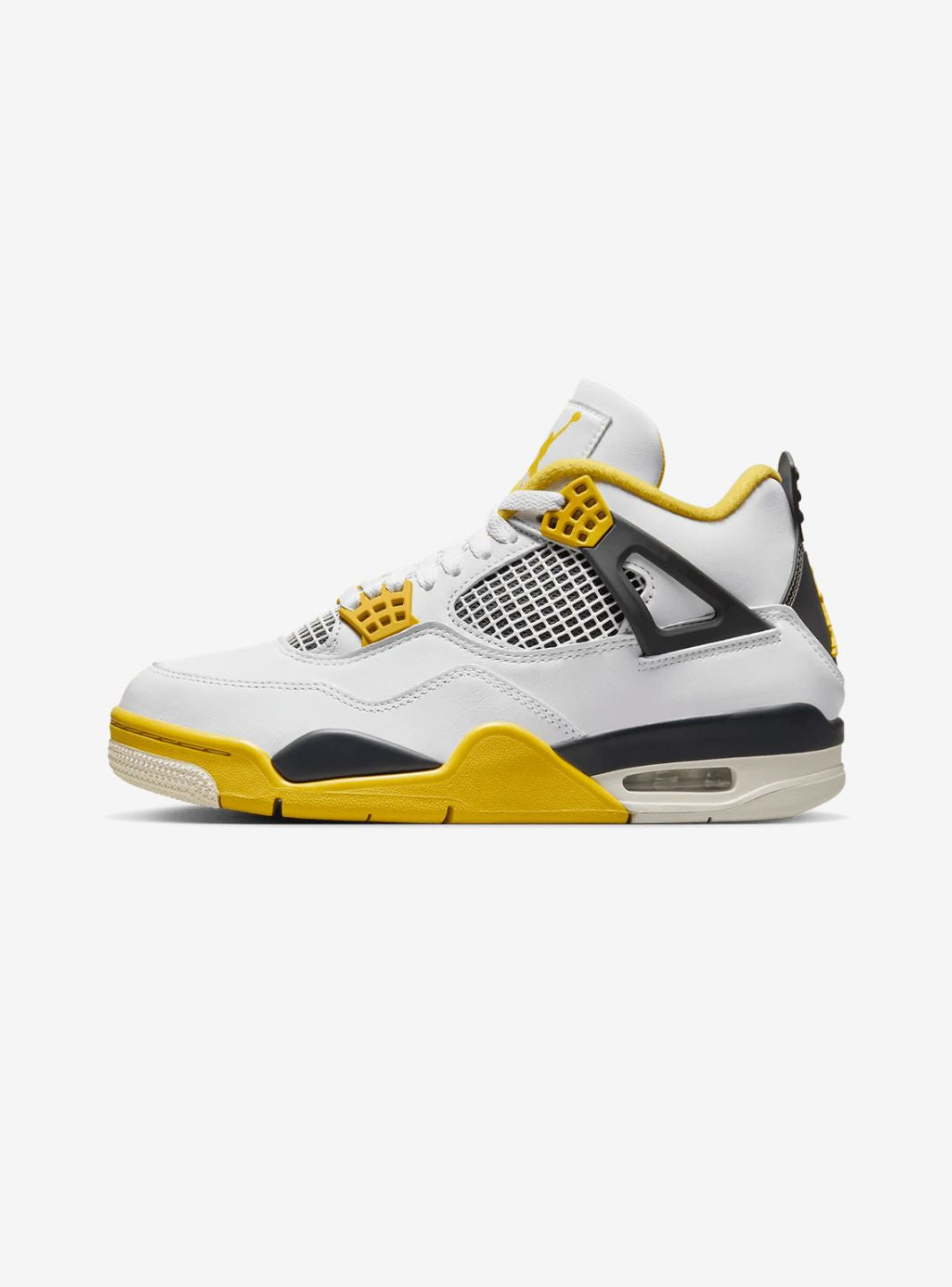
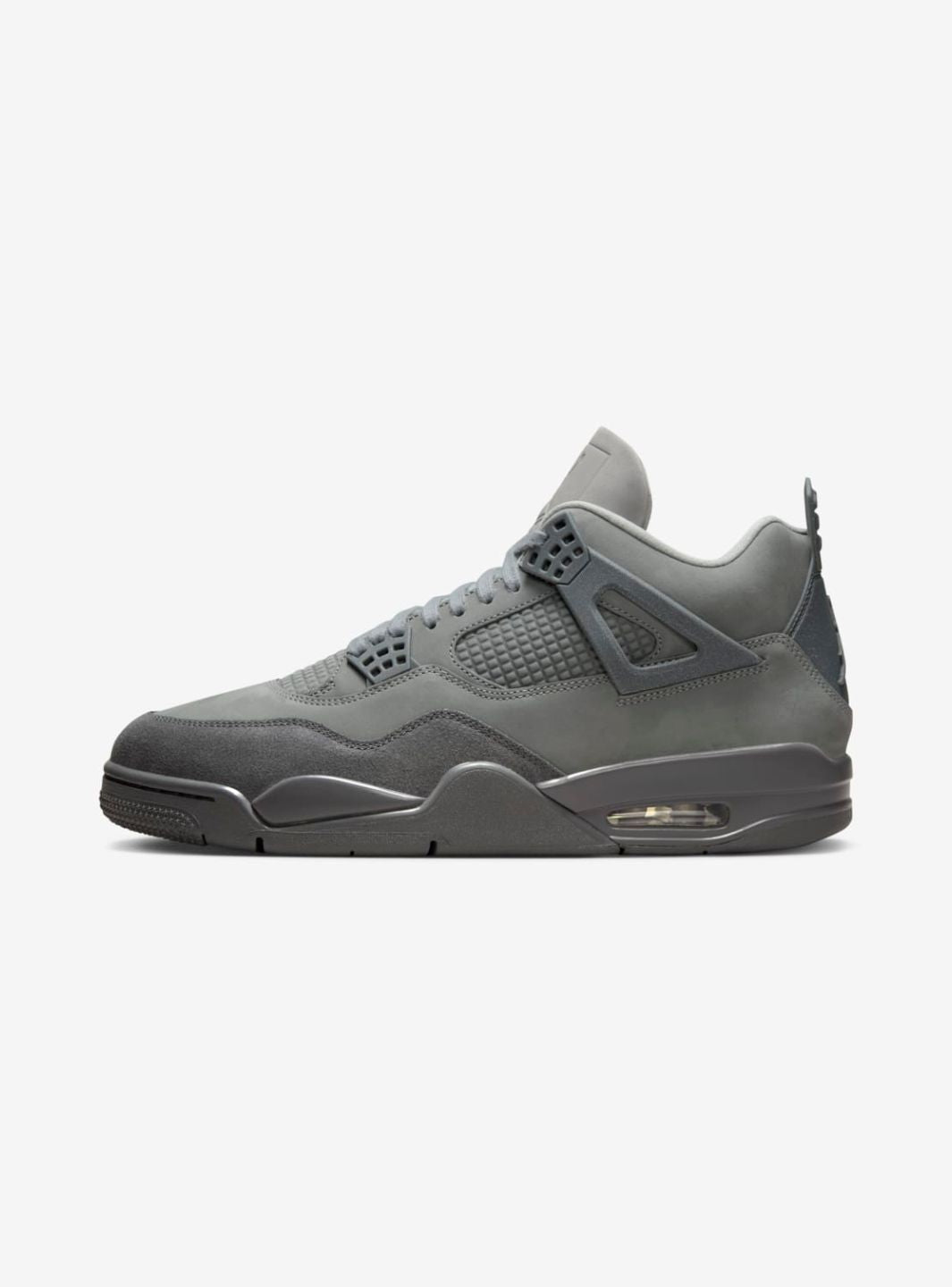
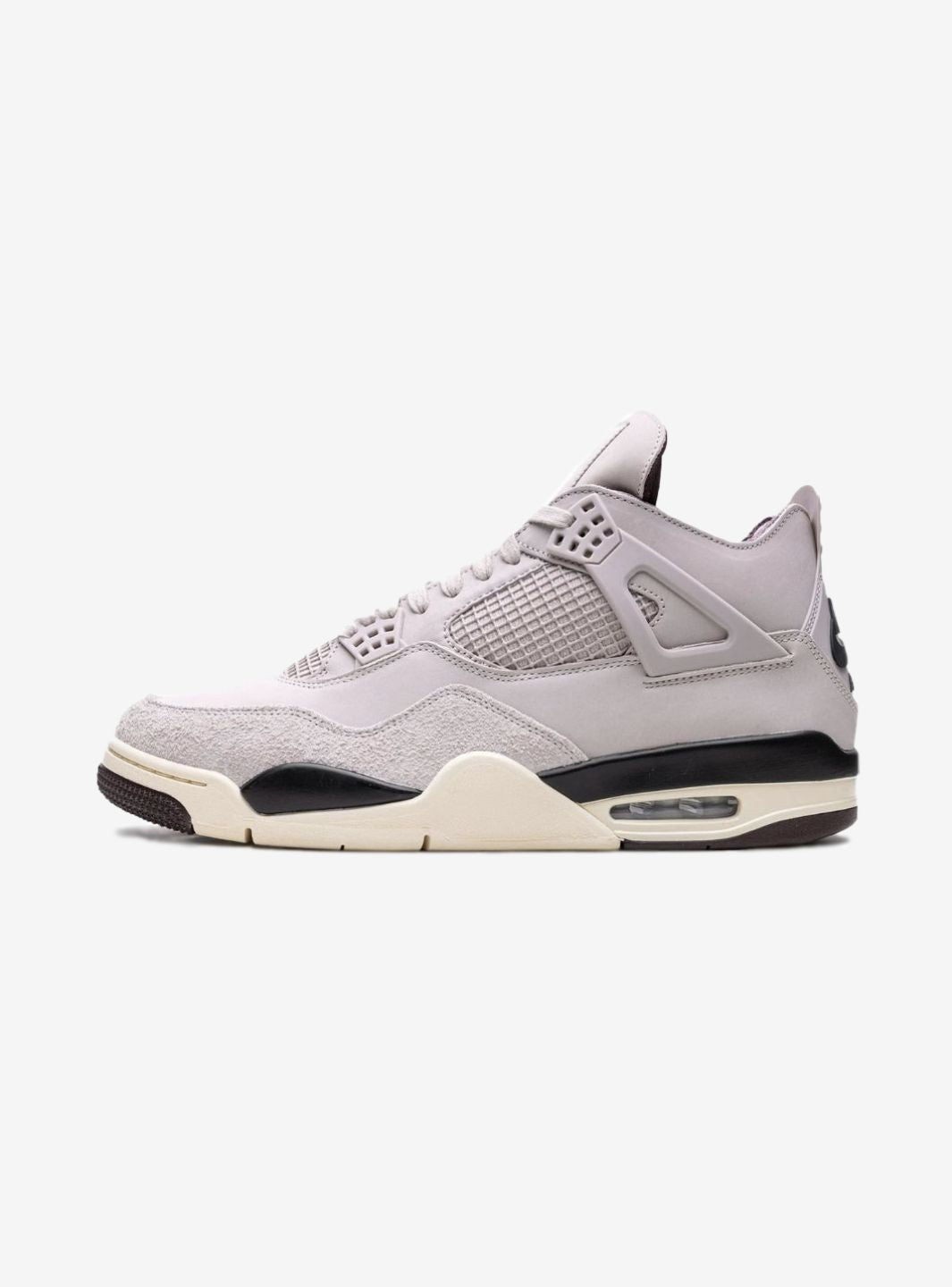
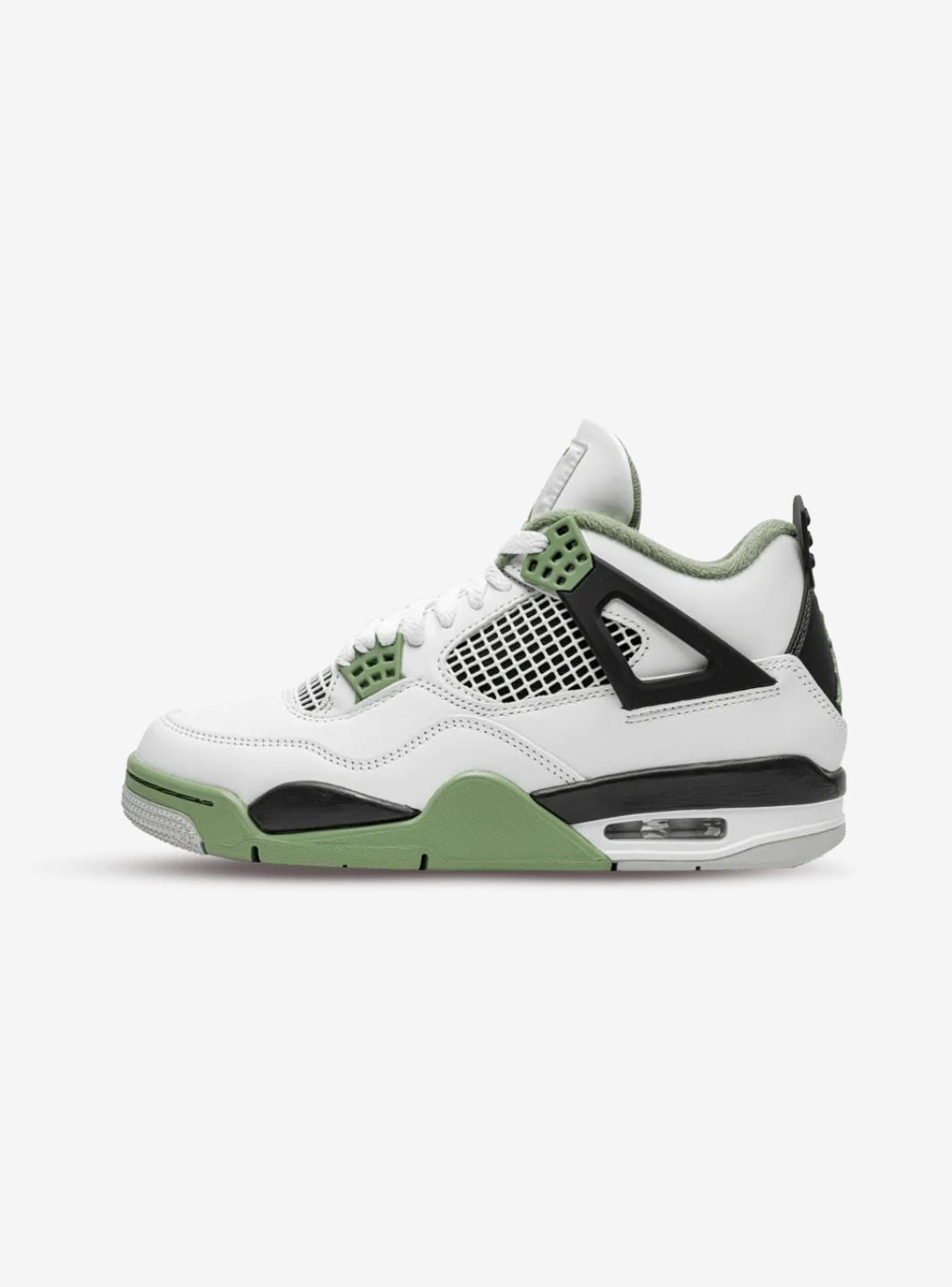
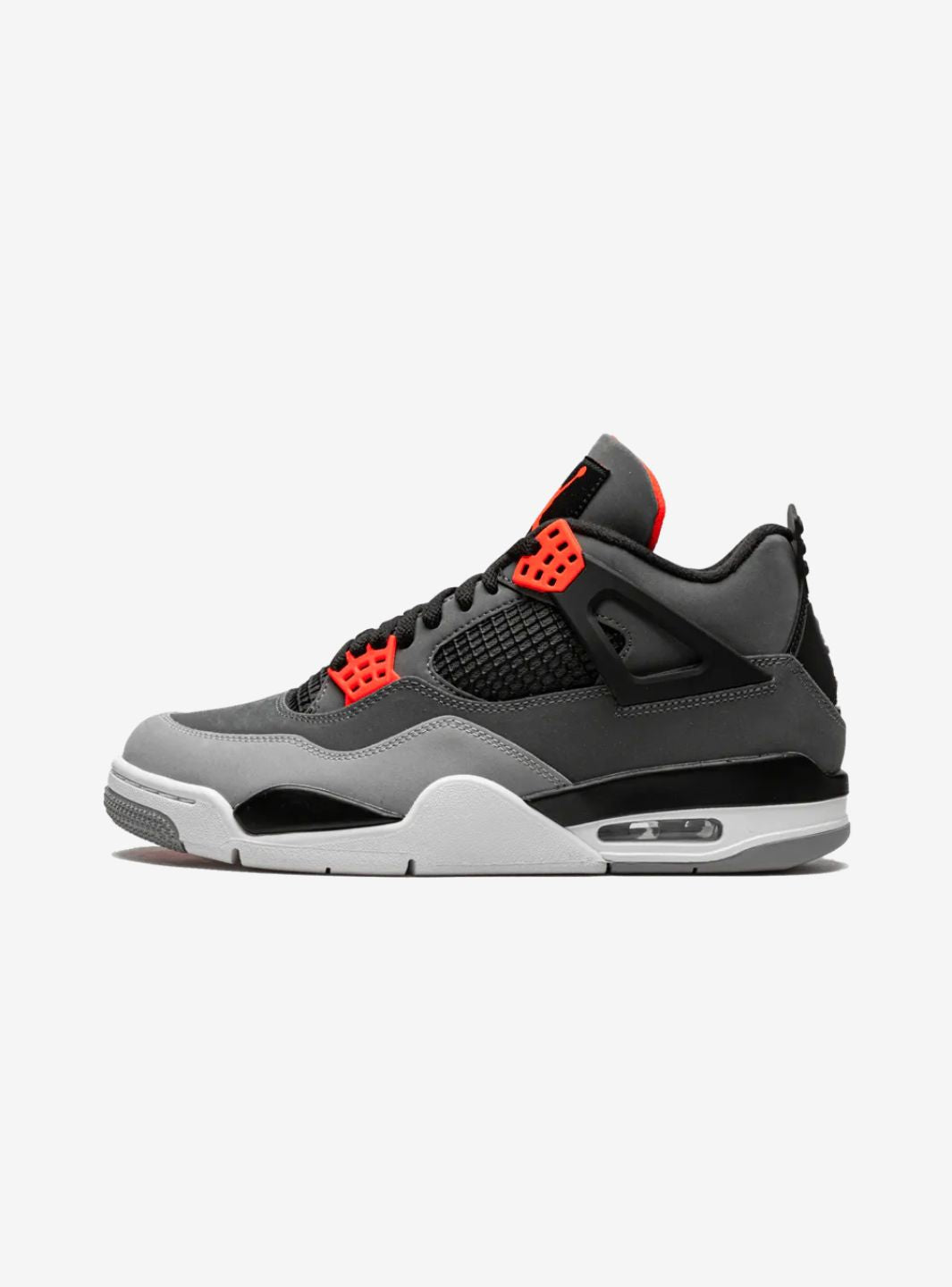
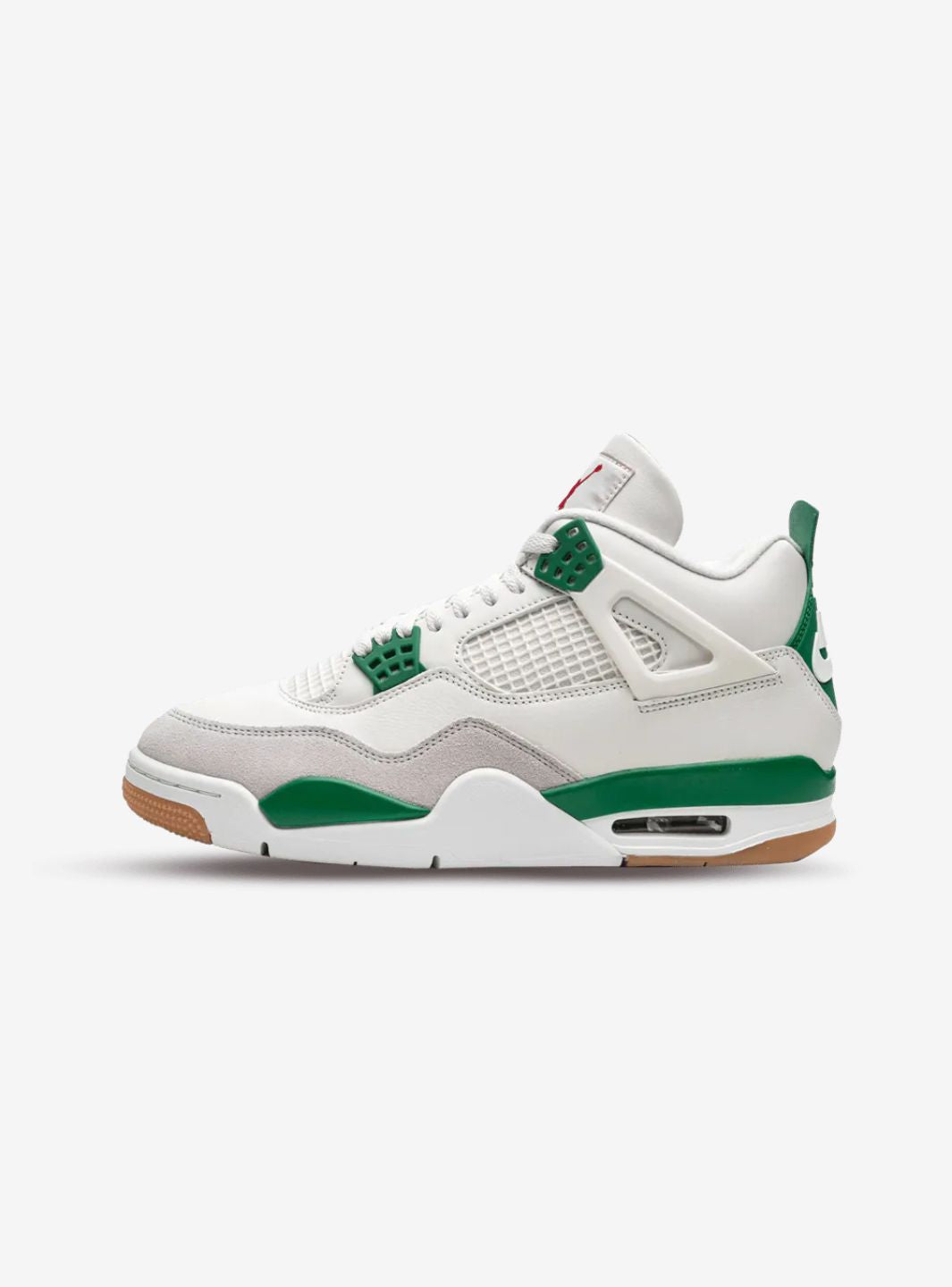
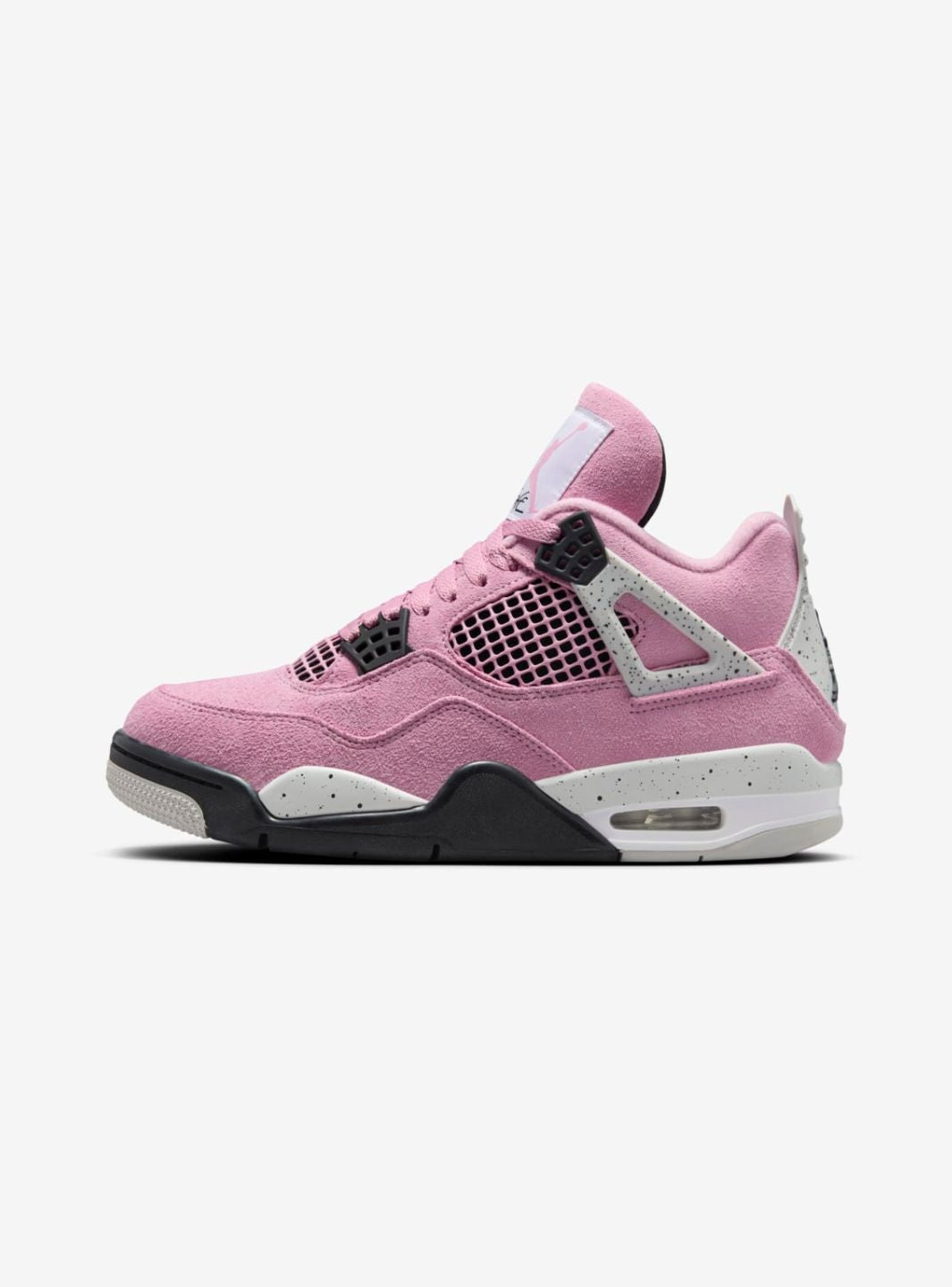
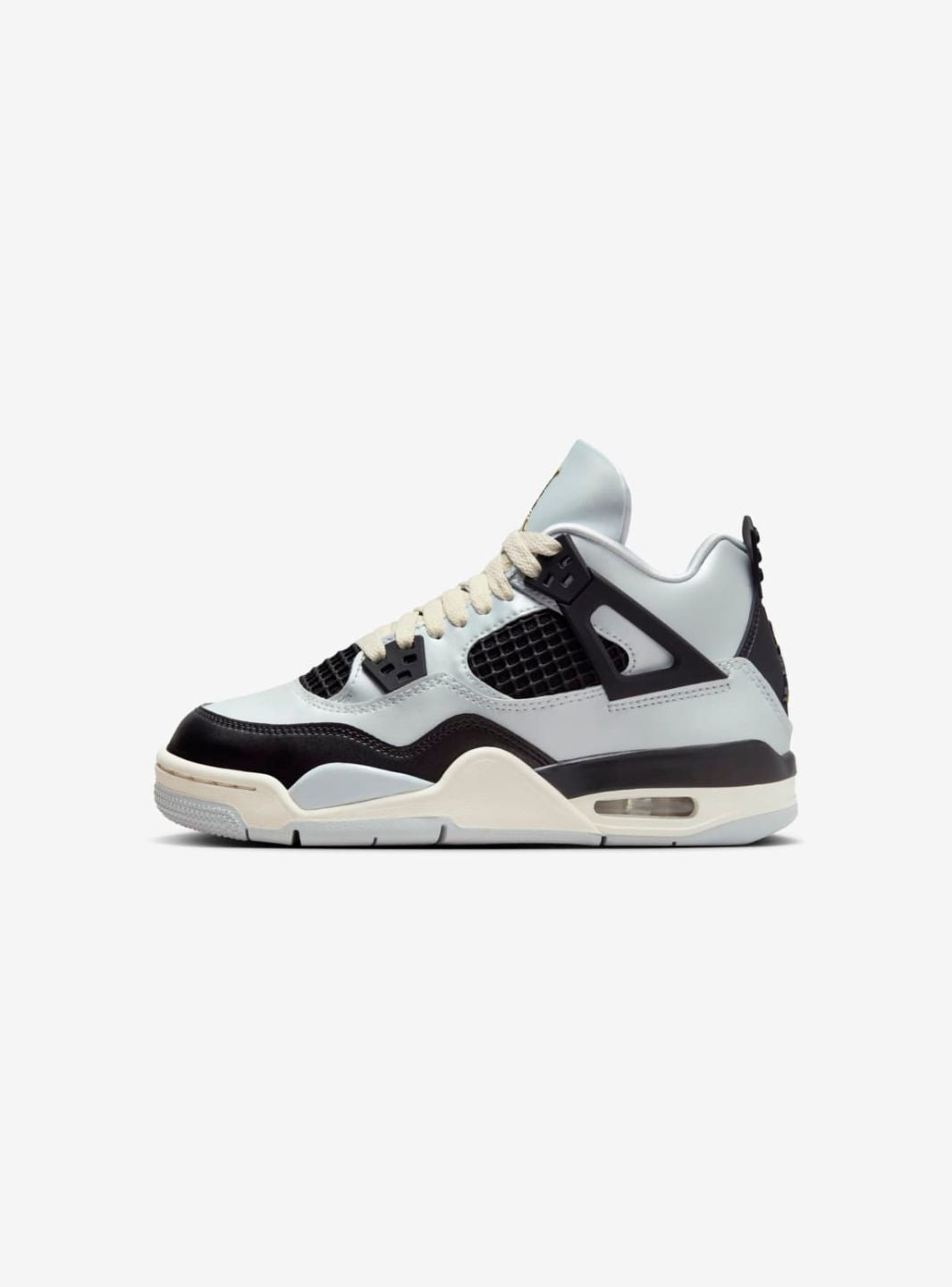
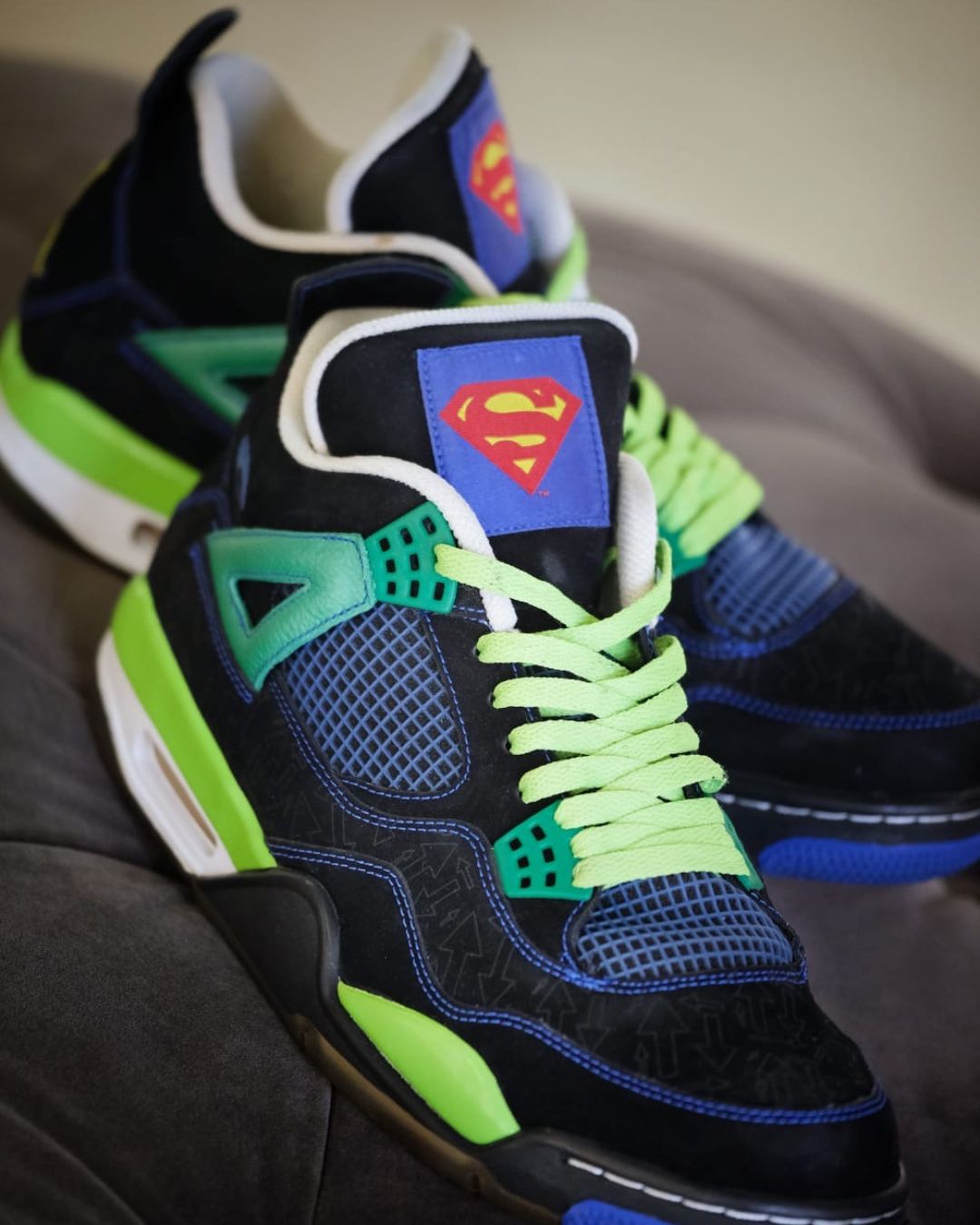
The Air Jordan 4 further develops this identity through mesh panels, side structures and proportions that became immediately recognizable. Over time, it has also become one of the most important Jordans outside of basketball, thanks to the return of historic colorways and numerous collaborations.
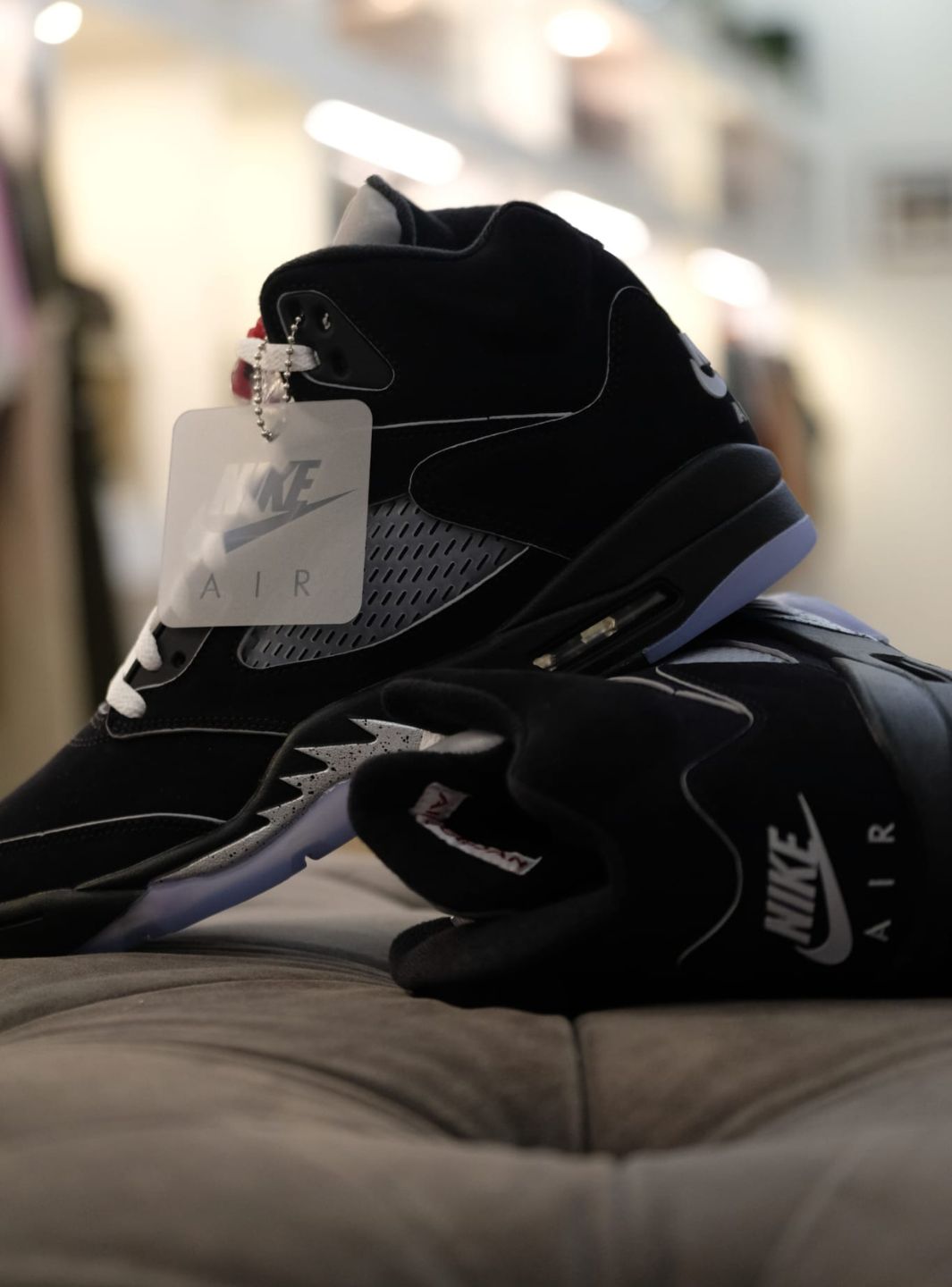
The Air Jordan 5 continues the evolution with a more aggressive silhouette, a particularly recognizable tongue and details that distinguish it clearly from previous generations.
Air Jordan 6, 7 and 8
The Air Jordan 6, Air Jordan 7 and Air Jordan 8 belong to a fundamental phase of Michael Jordan's career and show how quickly the line's design was capable of changing from one generation to the next.
The Jordan 6 combines technical elements and cleaner lines compared to the AJ5, while the Jordan 7 develops an even more autonomous identity compared to traditional Nike branding. The Jordan 8 opts for a more complex construction, recognizable above all for the strap system that crosses the upper.
Although less widespread today than the Jordan 1, 3 or 4, these silhouettes represent precise milestones in the Air Jordan timeline and recount the evolution of basketball shoes from the early 1990s.
Air Jordan 11, 12, 13 and 14
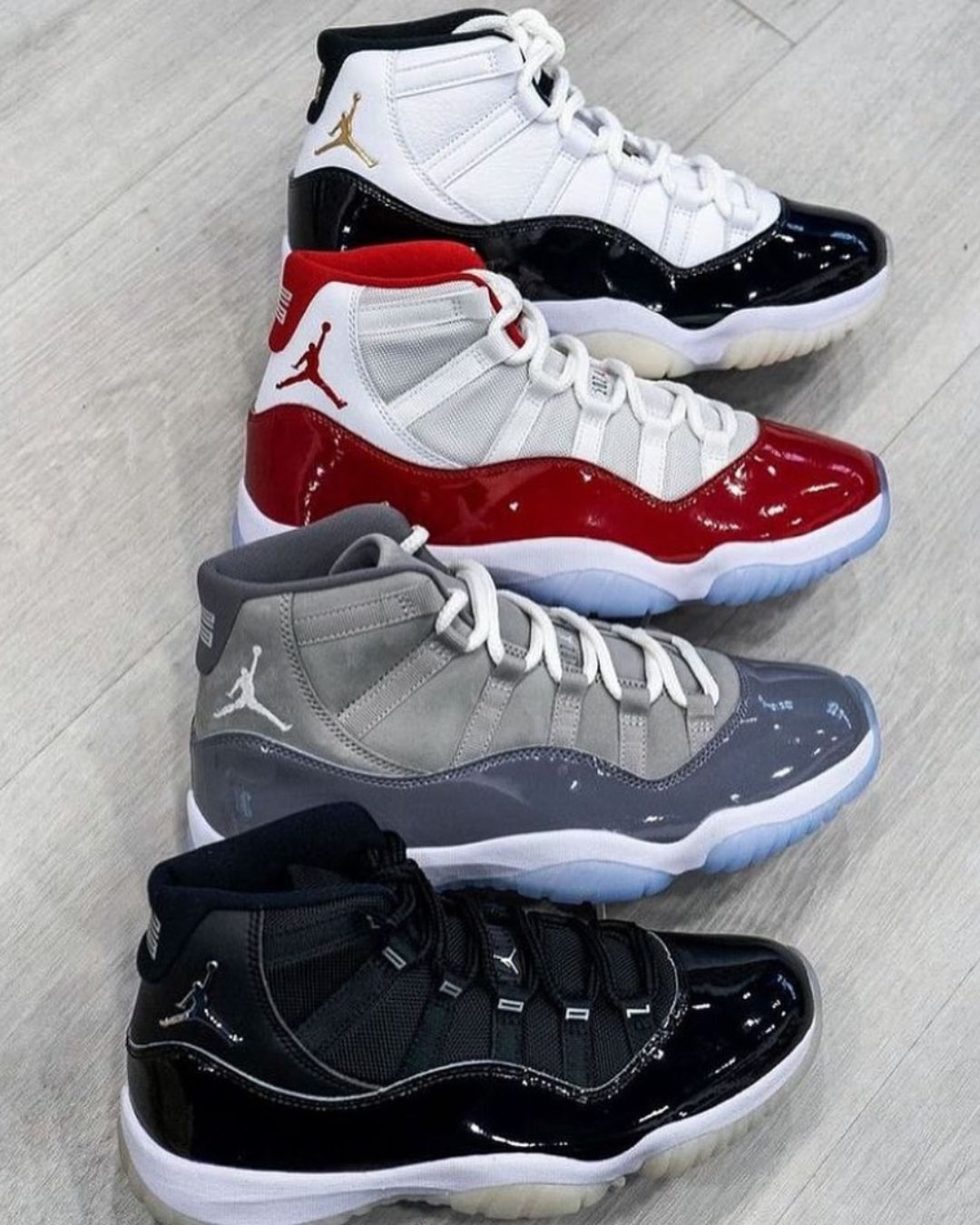
Among the subsequent generations, the Air Jordan 11 has become one of the most recognizable silhouettes in the line thanks to the contrast between mesh and patent leather, and an aesthetic capable of standing out clearly from previous Jordans.
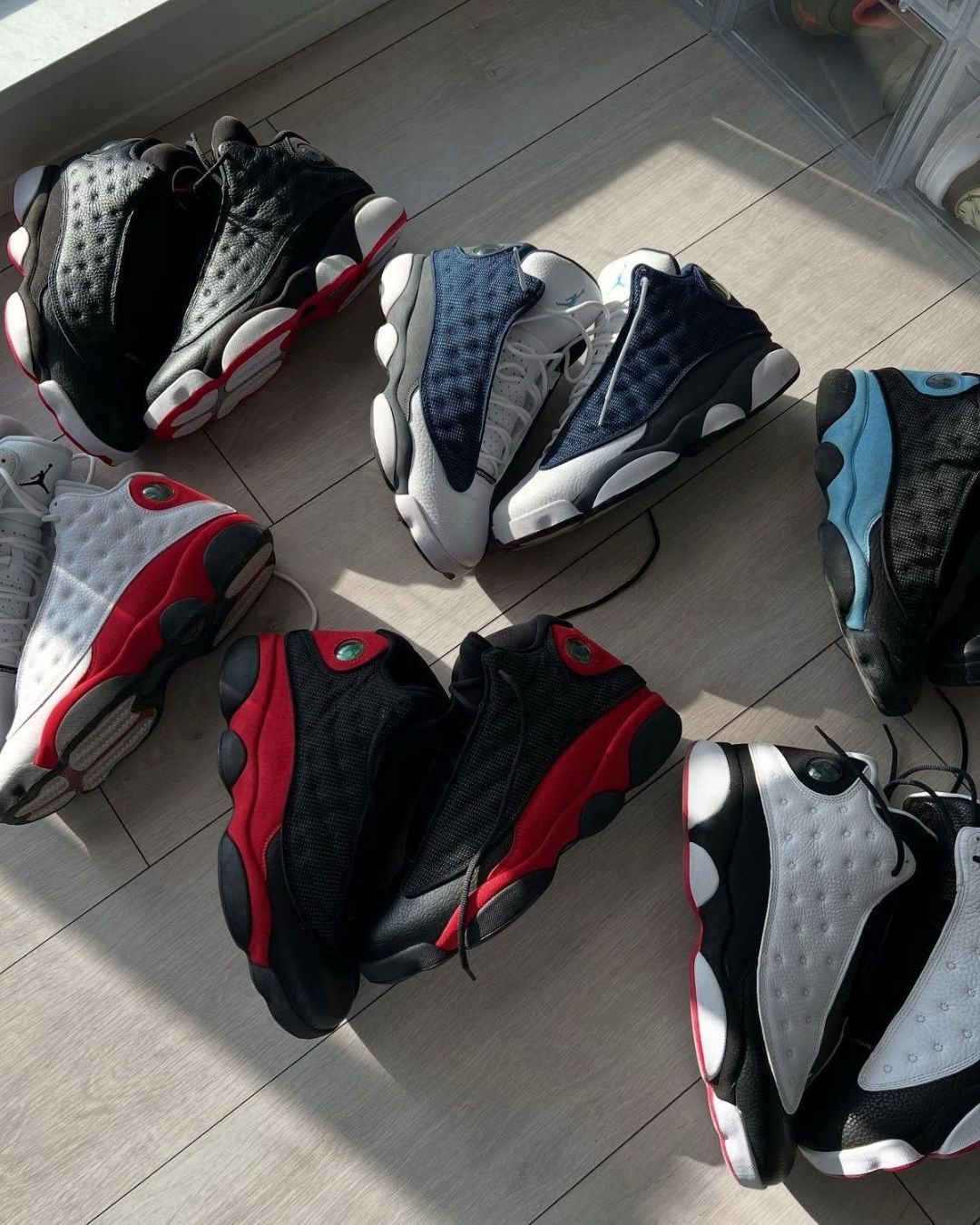
The Air Jordan 12 changes proportions and construction once again, while the Air Jordan 13 uses organic shapes, a very particular sole structure and details that help make it immediately identifiable.
The Air Jordan 14 instead introduces references to the world of sports cars and belongs to one of the most representative periods of Michael Jordan's history with the Chicago Bulls.
These silhouettes clearly demonstrate one of the fundamental characteristics of the line: Air Jordan has never followed a single design repeated over time, but has continuously modified proportions, materials and visual references while maintaining a strong continuity linked to the Jordan name.
Air Jordan Retro, OG and Reimagined
In the history of Jordan shoes, terms like Retro, OG and Reimagined describe the relationship between a given release and the original versions of the model.
In sneaker language, OG, short for “Original”, is used in reference to elements linked to the original configuration of an Air Jordan, such as a historic colorway, a construction, or specific details present in the first versions.
Jordan Retro models are instead re-releases of silhouettes belonging to previous generations. An Air Jordan can therefore return to the market years later while maintaining much of the original aesthetic or introducing variations in materials, construction and details.
Reimagined versions start from the same archive but reinterpret it more clearly. Materials, finishes and construction can be intentionally modified while still keeping the reference to the historic release recognizable.
OG, Retro and Reimagined therefore do not identify independent Air Jordan models, but different ways of reinterpreting and preserving the history of individual silhouettes.
Air Jordan collaborations: Travis Scott, Off-White and Nigel Sylvester
Collaborations have played an increasingly important role in the contemporary evolution of Air Jordan, allowing designers, artists and figures from different cultures to reinterpret already established silhouettes.
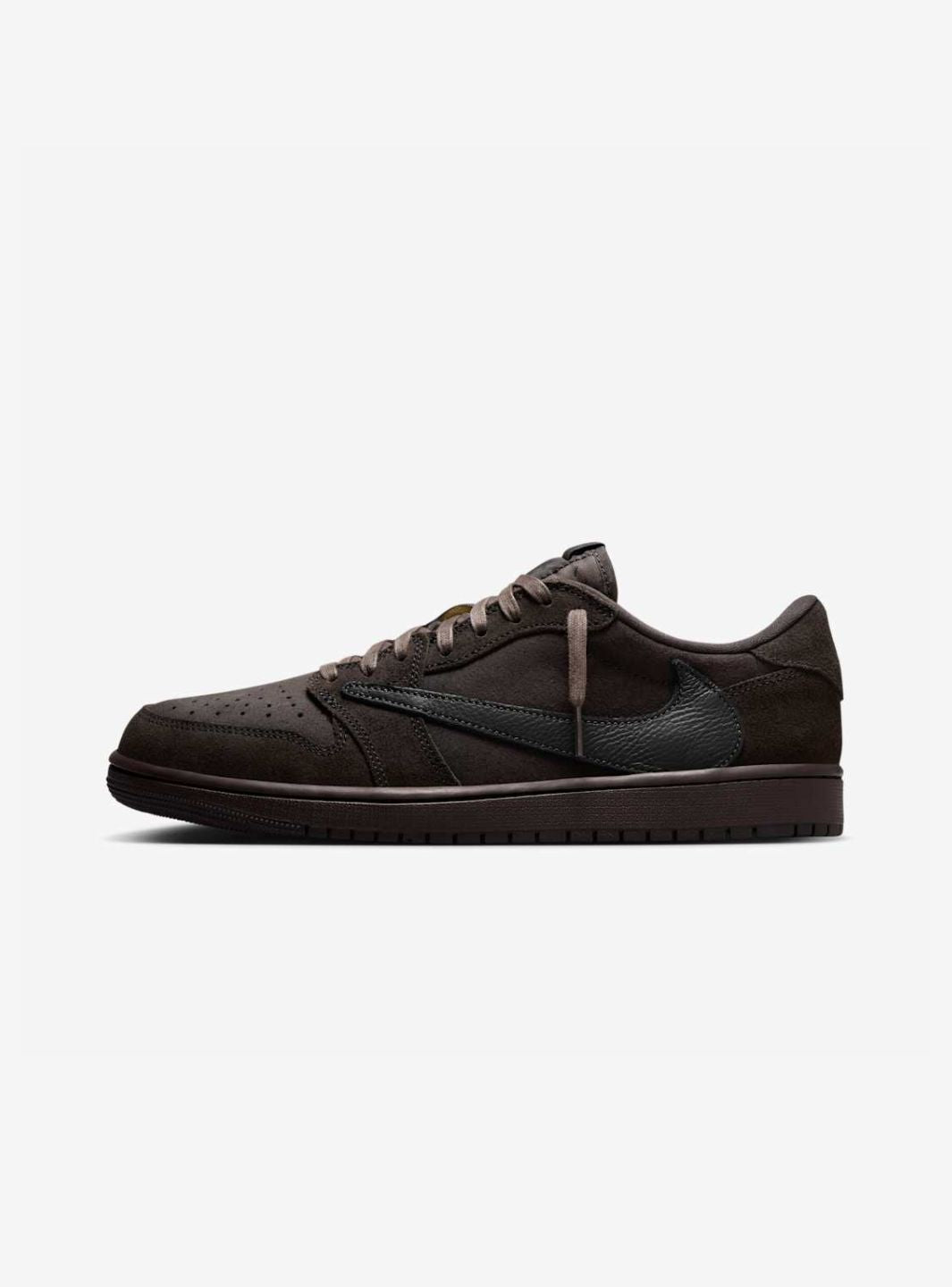
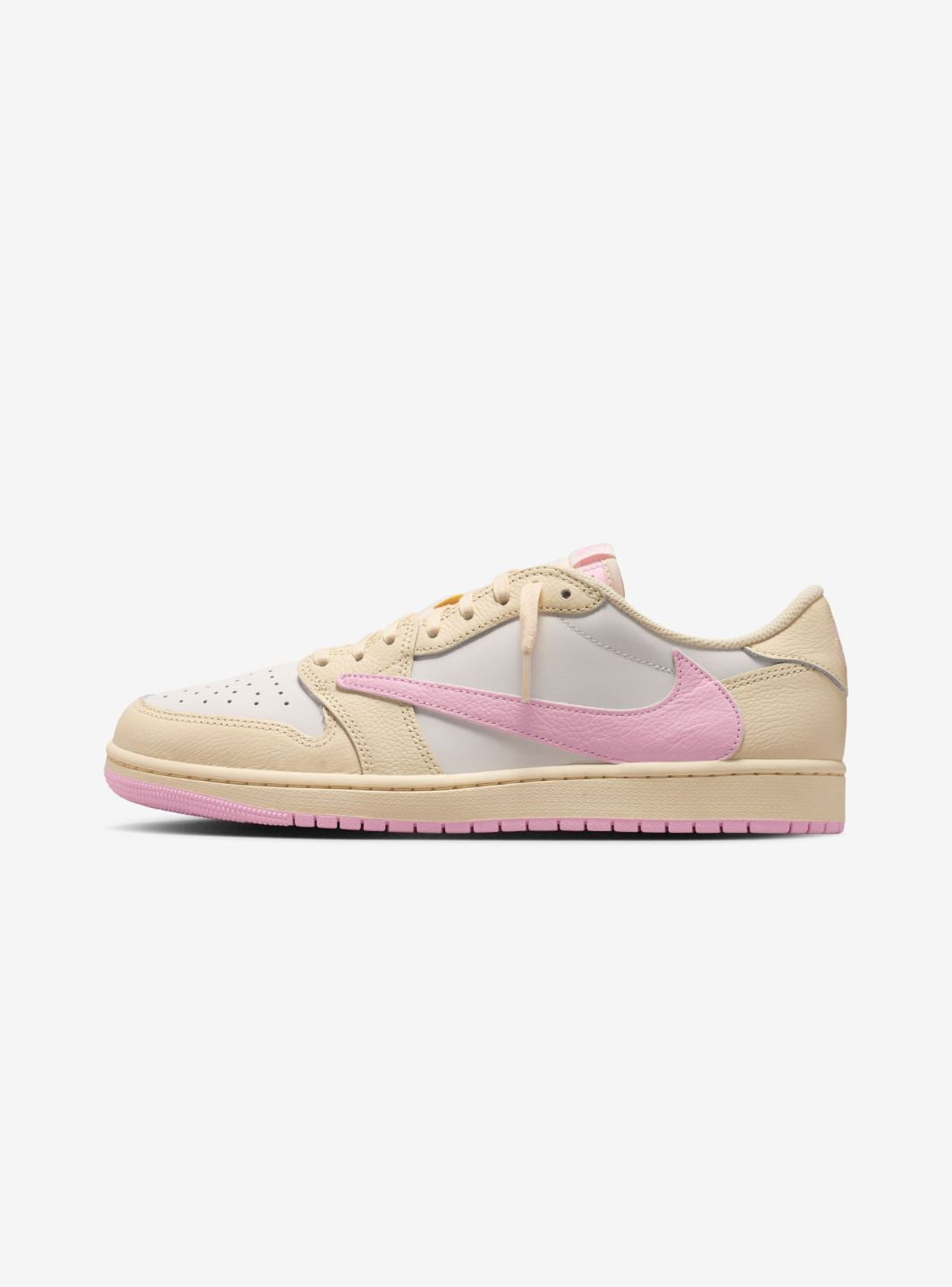
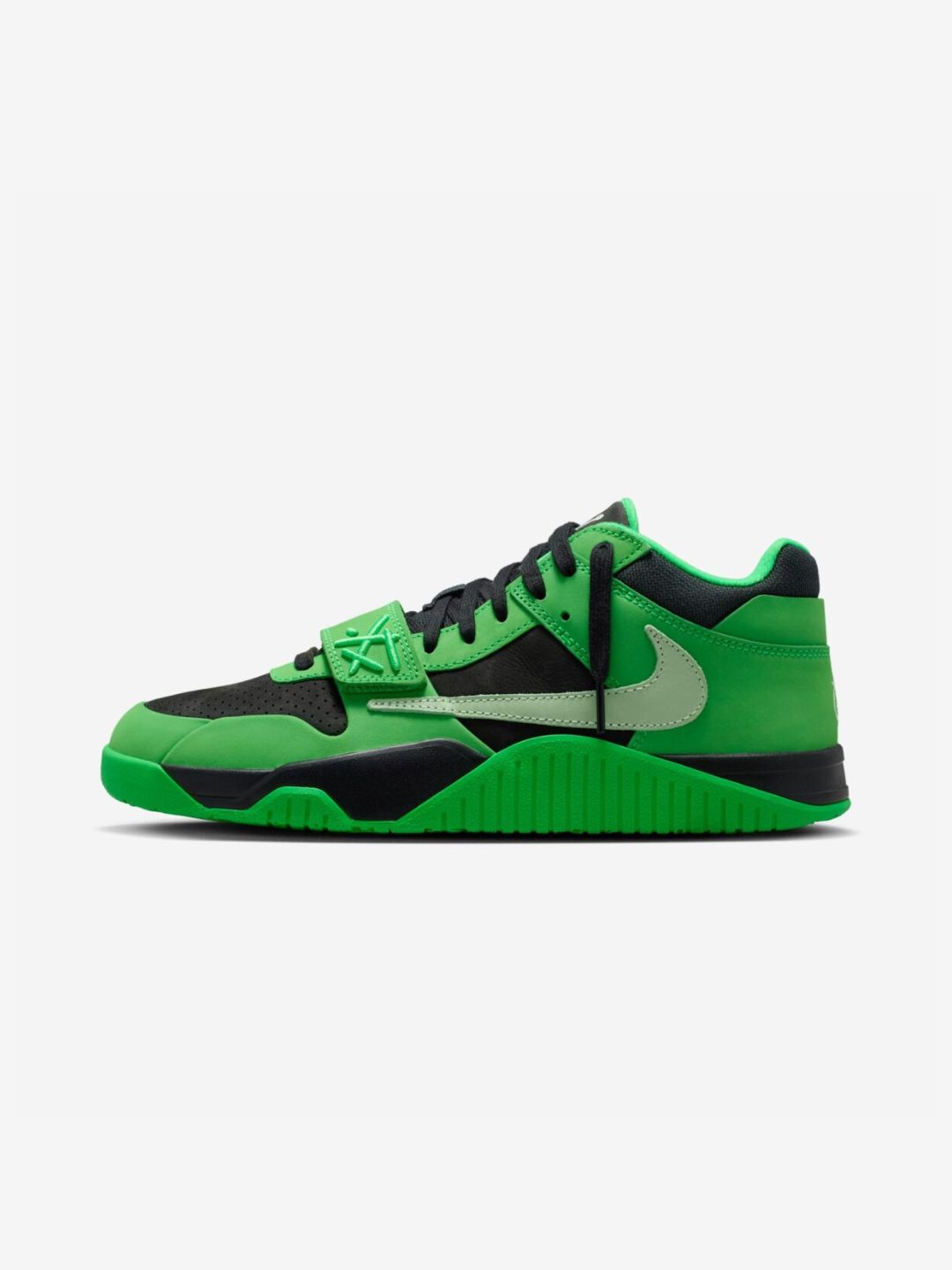
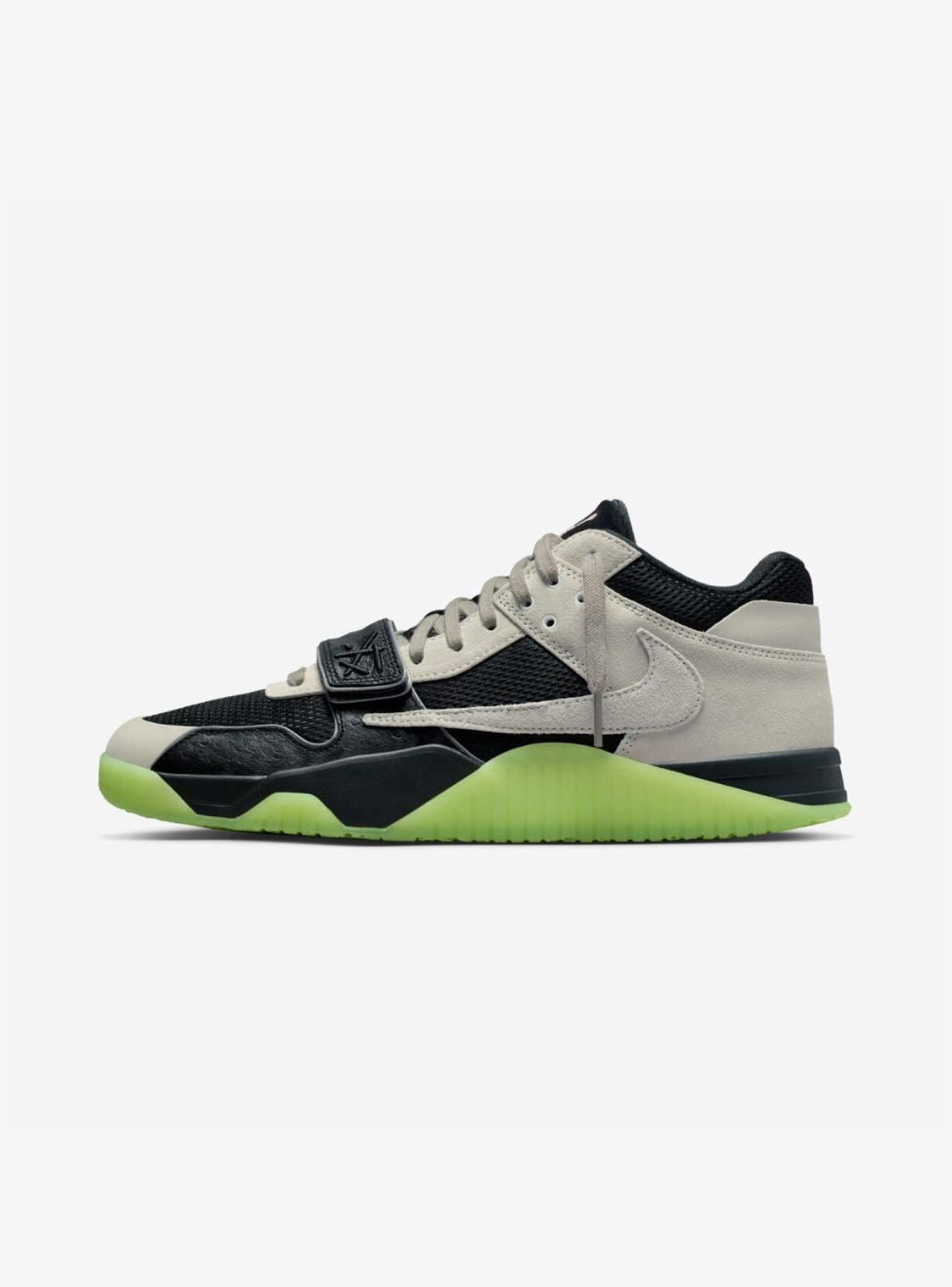
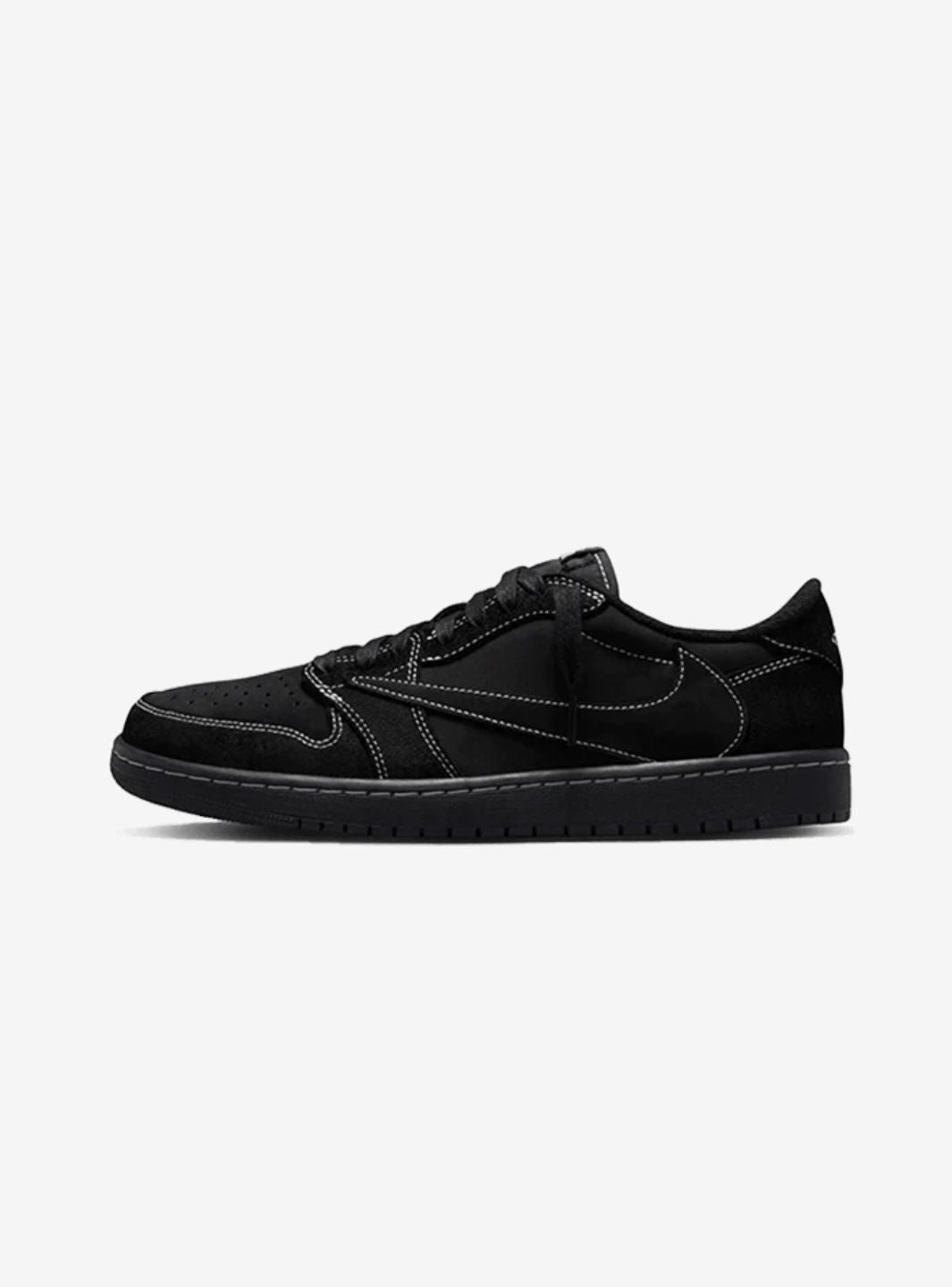
The relationship between Travis Scott and Jordan has spanned several models and has helped create some of the most recognizable visual elements of recent sneaker collaborations. Air Jordan 1, Jordan 4 and Jordan 6 have been reinterpreted through materials, colorways and details linked to the Cactus Jack universe.
With Nike x Off-White, Virgil Abloh applied his own deconstructed language to some of the most important silhouettes in the Nike and Jordan archives. Air Jordan 1, Jordan 2, Jordan 4 and Jordan 5 became part of projects characterized by exposed materials, reinterpreted components and graphic details that became an integral part of the Off-White aesthetic.
A different path is that of Nigel Sylvester x Jordan. The bond with the BMX world brought references to the real-world use of sneakers, the streets of New York and bicycle culture into the line, developing over time through the Air Jordan 1 and projects belonging to the Jordan 4 family.
A different chapter is represented by the Air Jordan Doernbecher, developed within the Doernbecher Freestyle program and characterized by designs linked to the stories and experiences of the young patients involved in the project.
Very different collaborations show how the same silhouette can take on new identities without losing its link to Air Jordan history.
Men's and women's Air Jordan shoes
Air Jordan shoes include very different silhouettes, colorways and constructions. A Jordan 1 features completely different proportions compared to a Jordan 4 or a Jordan 11, while some releases are produced in specific Men's, Women's or Kids' size ranges.
Even within the same model, materials, shape and details can change depending on the release. Retro versions revisit silhouettes of the past, while new colorways and contemporary reinterpretations allow the same models to continue evolving without losing their identity.
This variety has helped make Jordan sneakers a cross-sectional presence between basketball, streetwear and sneaker culture, with models born in different periods that are still recognizable through a common identity.
Air Jordan between archive and collecting
The continuous relationship with its own archive is one of the central elements of Jordan history. Colorways created decades ago can return through new Retro versions, while historic silhouettes are reinterpreted through contemporary materials or collaborations.
However, not all Air Jordans have the same availability. Alongside releases distributed on a wider scale, there are limited collaborations, Air Jordan Player Exclusive, Friends & Family, samples and versions produced in extremely small quantities.
Rarity, release history, distribution and cultural importance can transform some Jordans into true Sneaker Grails, with collector interest that goes beyond the simple market price.
Original Air Jordans and pre-owned models
The popularity of Air Jordans and the value reached by certain releases have made authenticity a central element, especially in the case of collaborations, historic colorways and models that are difficult to find through normal retail channels.
On ResellZone, every product undergoes the required verification process to check its authenticity and correspondence with the original model. The method used is explained in detail on the page dedicated to product authenticity.
Air Jordans coming from the second-hand market are organized in the Used Air Jordan section, dedicated to pre-owned models and separated from the main structure of new releases.