







Zip-up Hoodies for Brands
Streetwear Zip-Up Hoodies: Zip Hoodies, Zip-Ups, and Full Zips
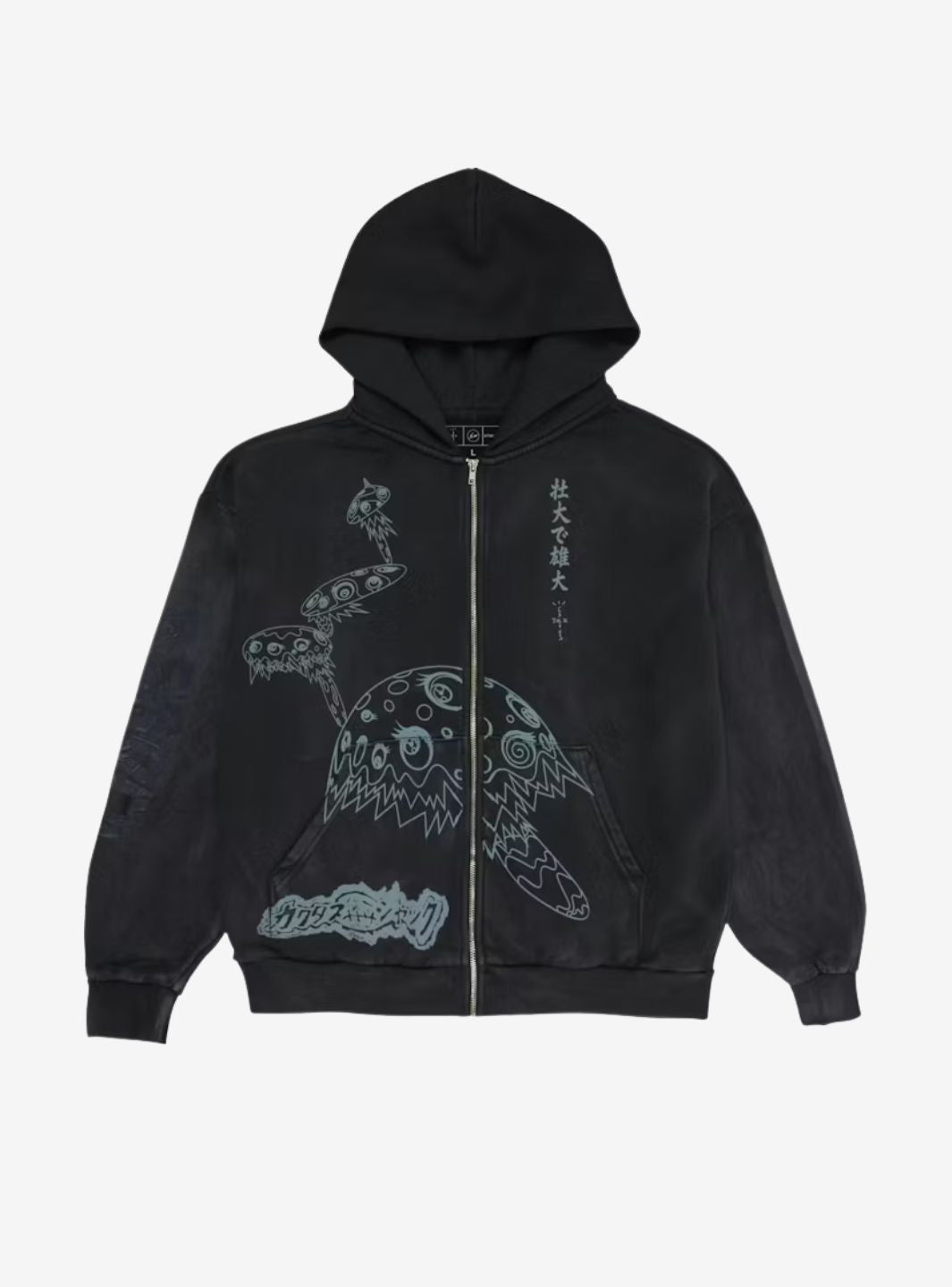
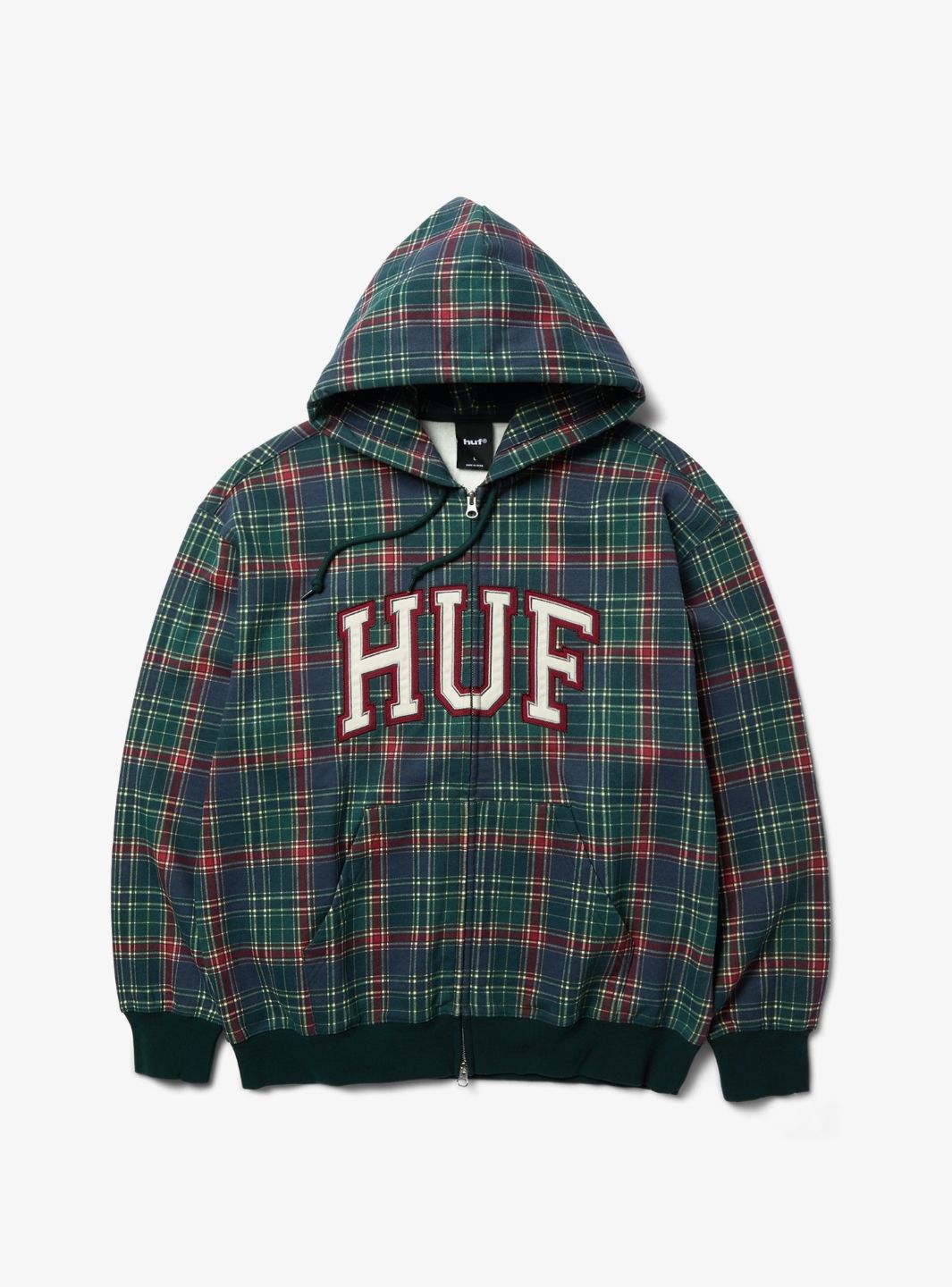
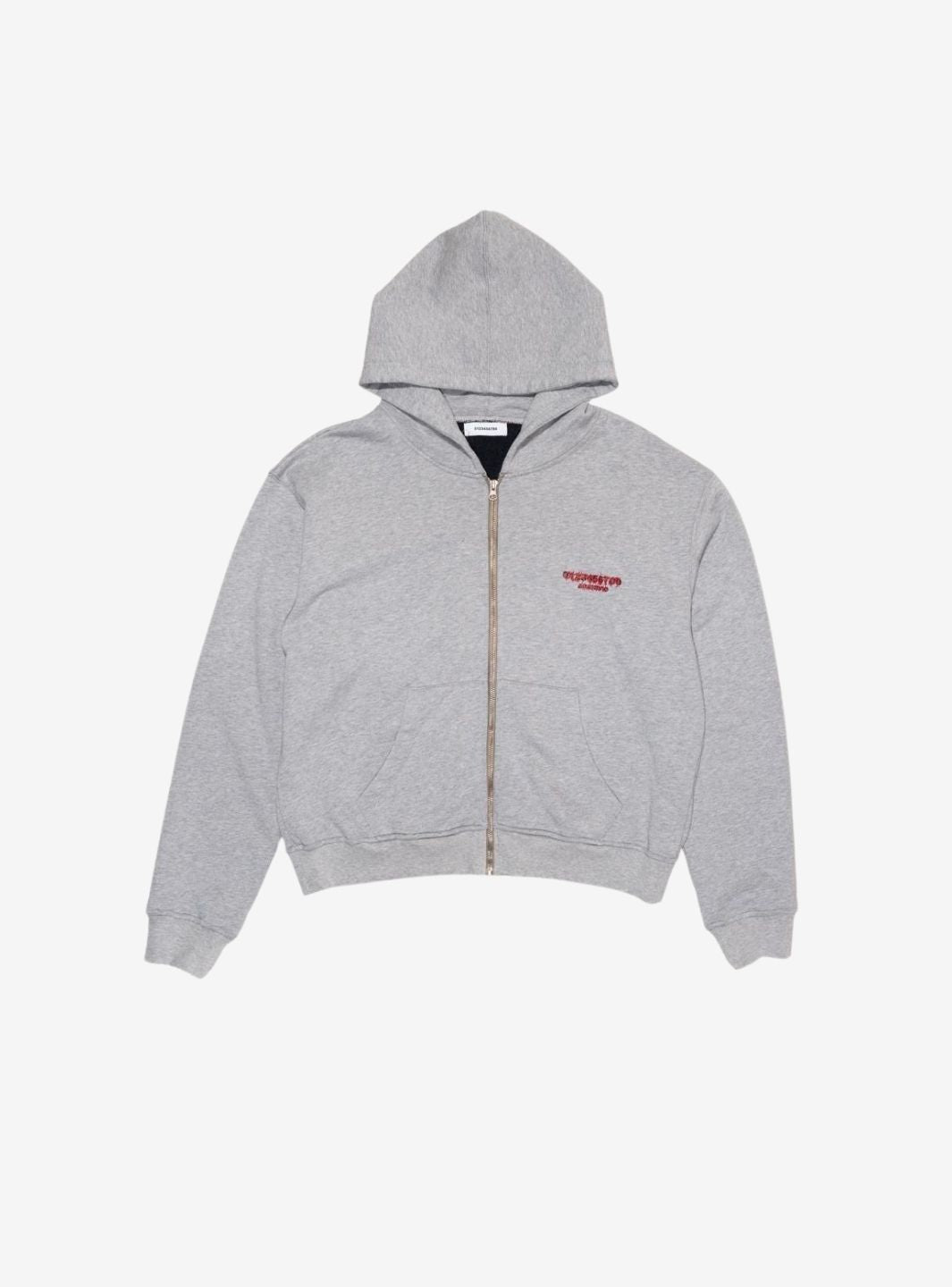
Zip-up hoodies, often searched for as zip hoodies, zip-up hoodies, or full-zip hoodies, are one of the most versatile variations of the classic streetwear sweatshirt. Their main feature is the front zipper closure, which allows the garment to be worn completely closed, open, or as a layer over a T-shirt.
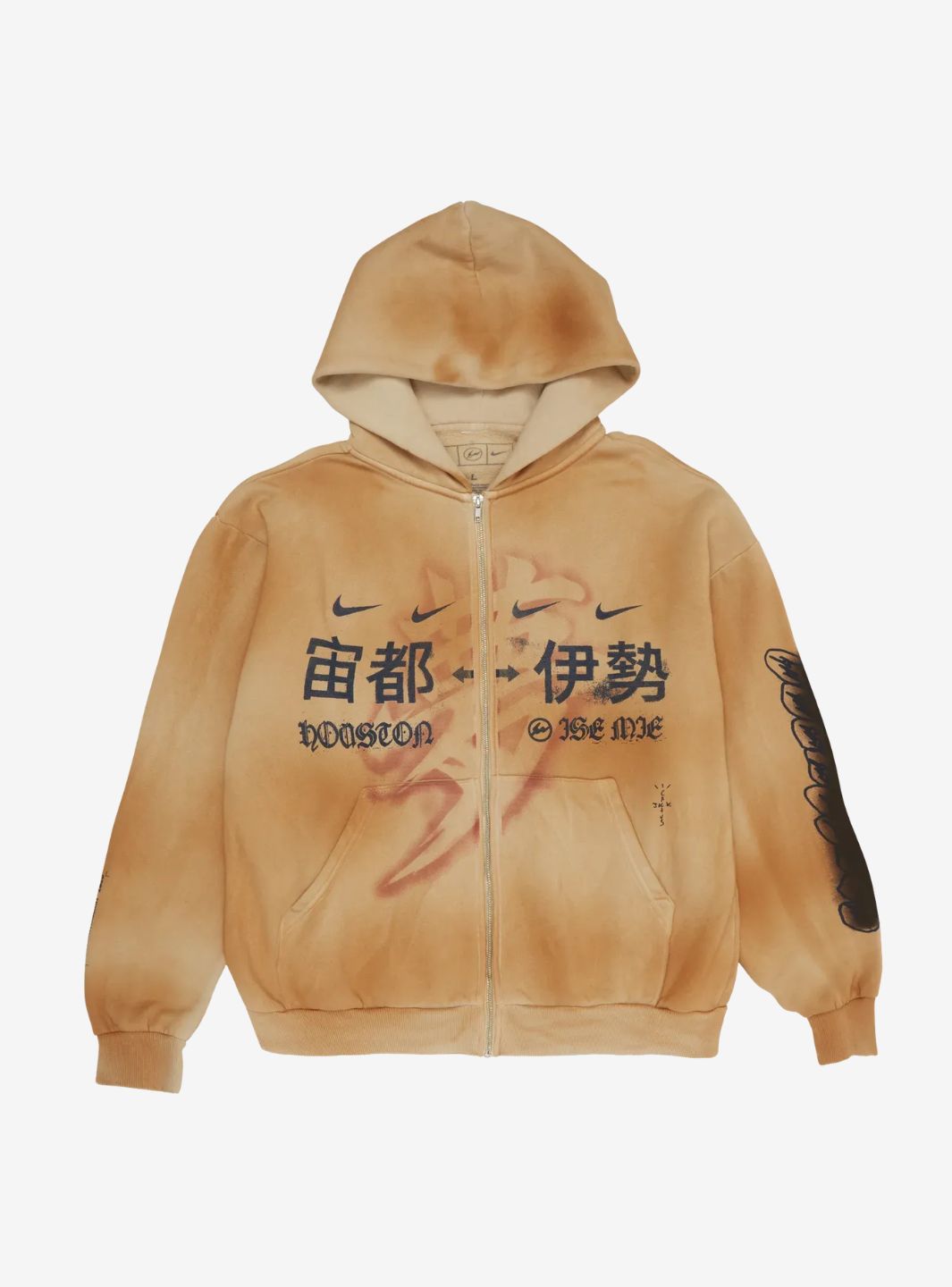
Within the selection of streetwear hoodies, zip-up models include hooded sweatshirts, zip-up sweatshirts, and designs that vary in weight, fit, materials, and style. This variety makes the category suitable for both essential outfits and looks built through multiple layers.
Zip Hoodies and Zip-Up Hoodies: What They Mean
The term zip hoodie generally identifies a hooded sweatshirt equipped with a front zipper. The definition zip-up hoodie is used with the same meaning, while full-zip emphasizes that the zipper runs completely down the front of the garment.
Compared to a classic pullover hoodie, the zip hoodie offers greater freedom in layering. It can be worn open to show the T-shirt underneath, closed when more coverage is needed, or used as a mid-layer under a jacket.
This construction makes the zip-up hoodie particularly versatile during transitional seasons and changing temperatures.
Supreme Zip Hoodies and Zip-Up Sweatshirts
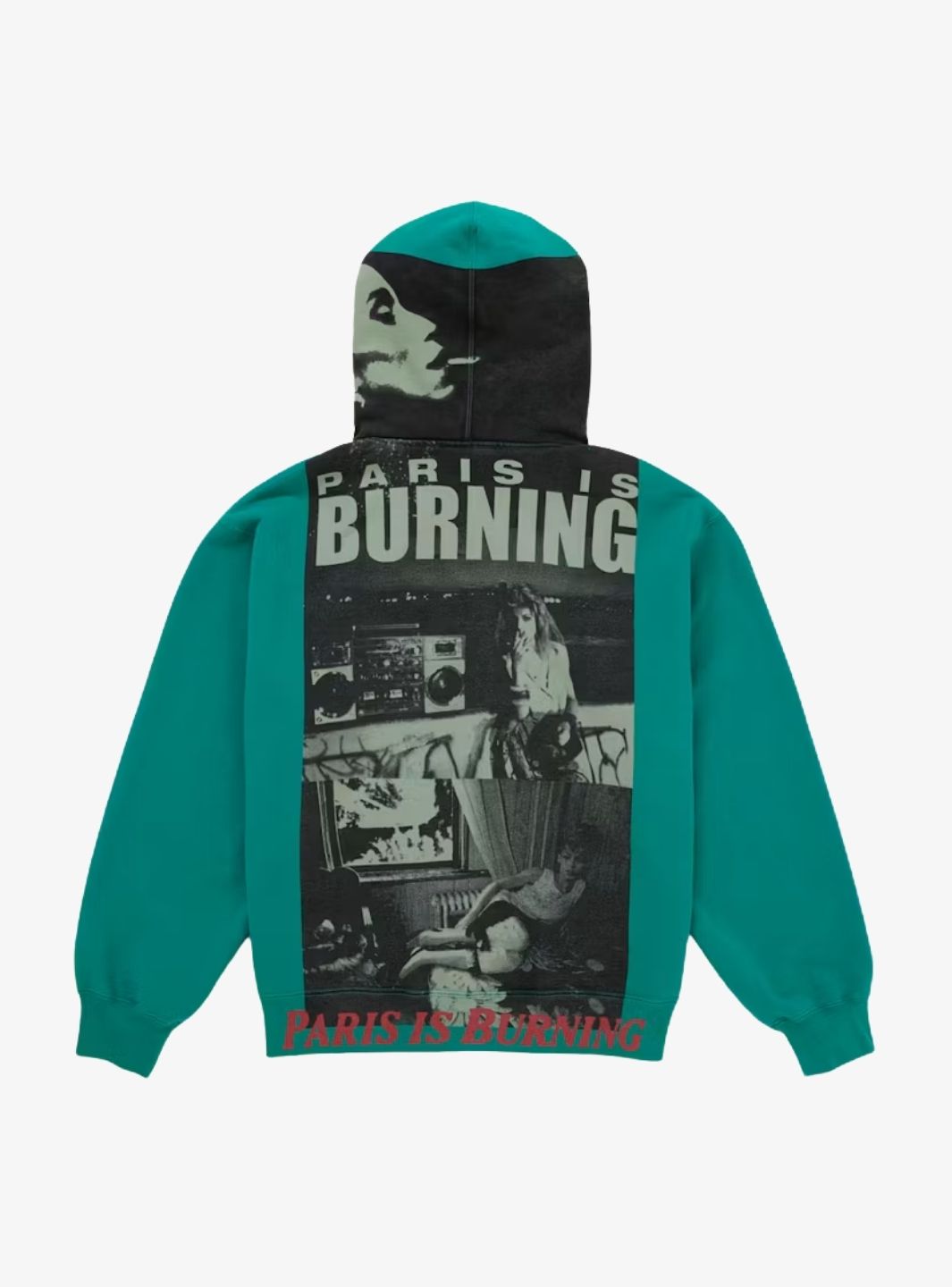
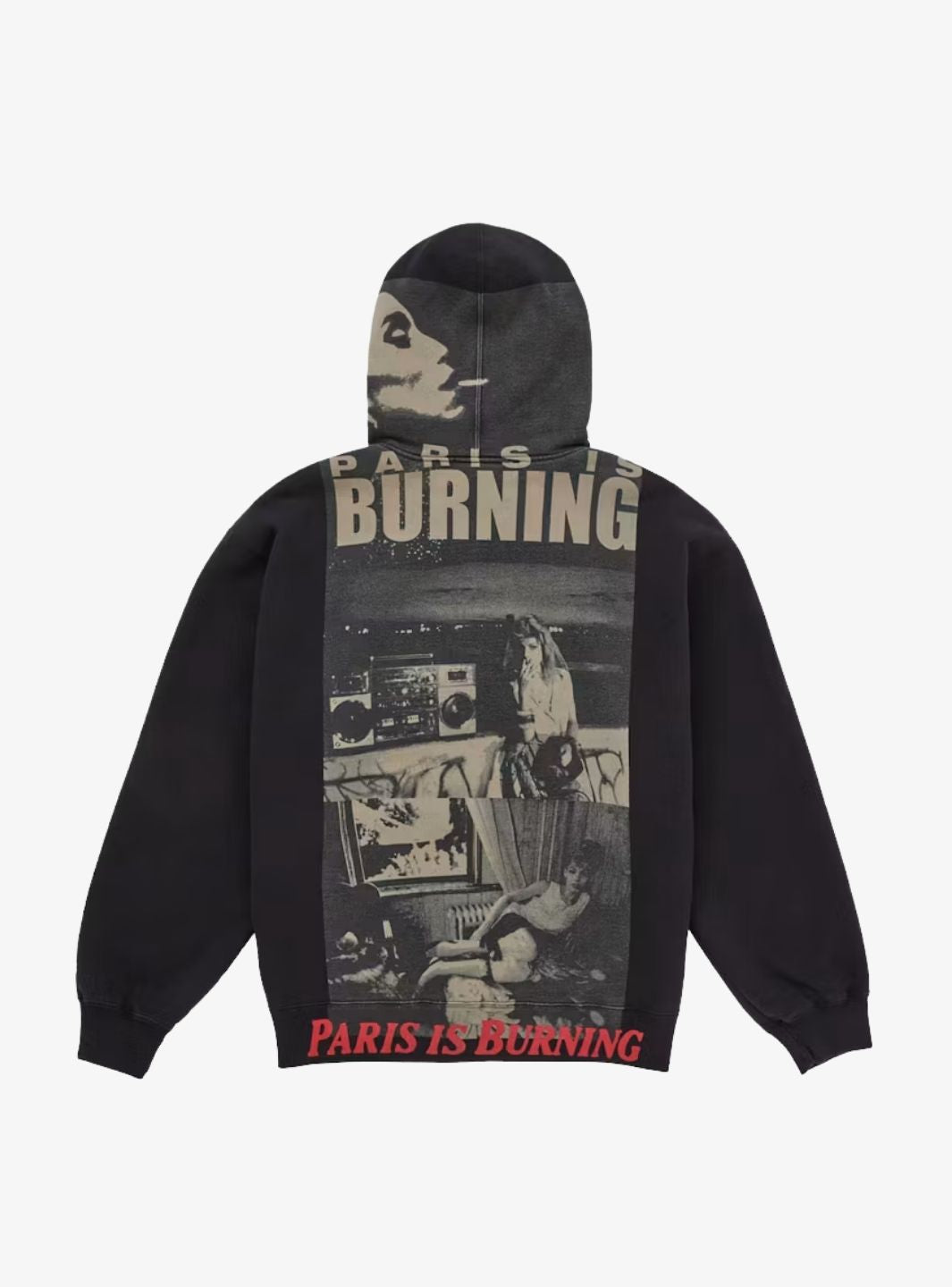
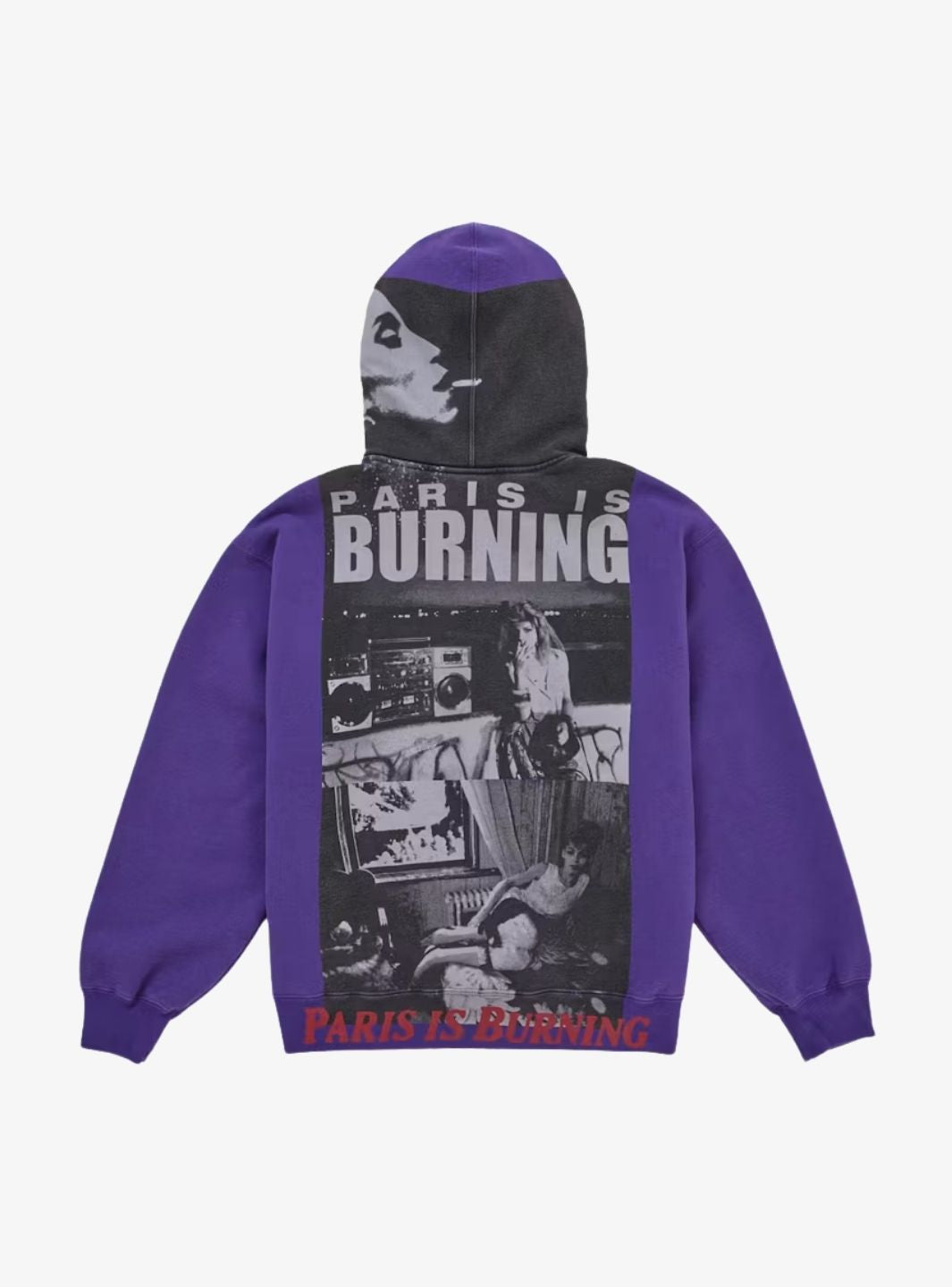
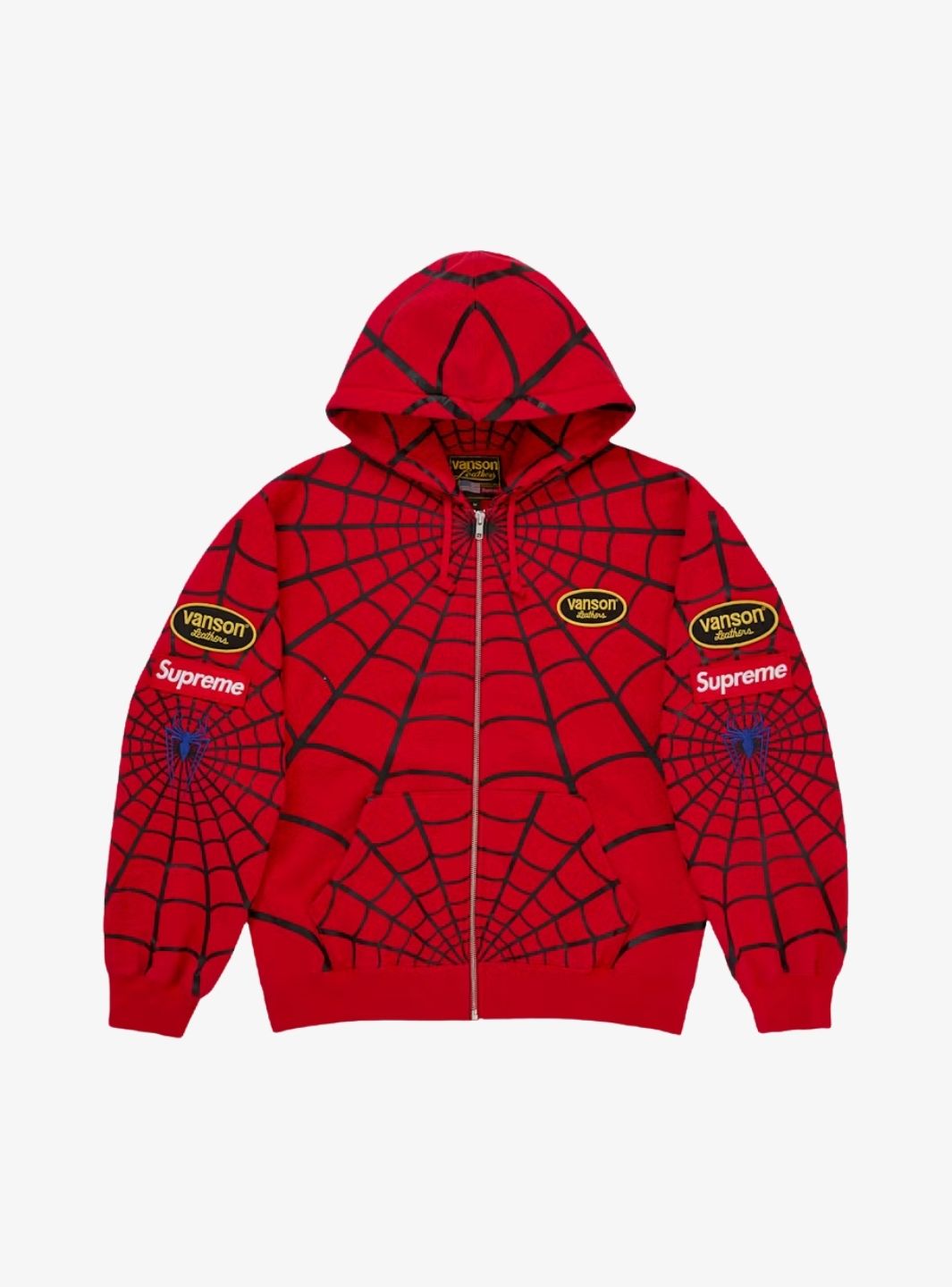
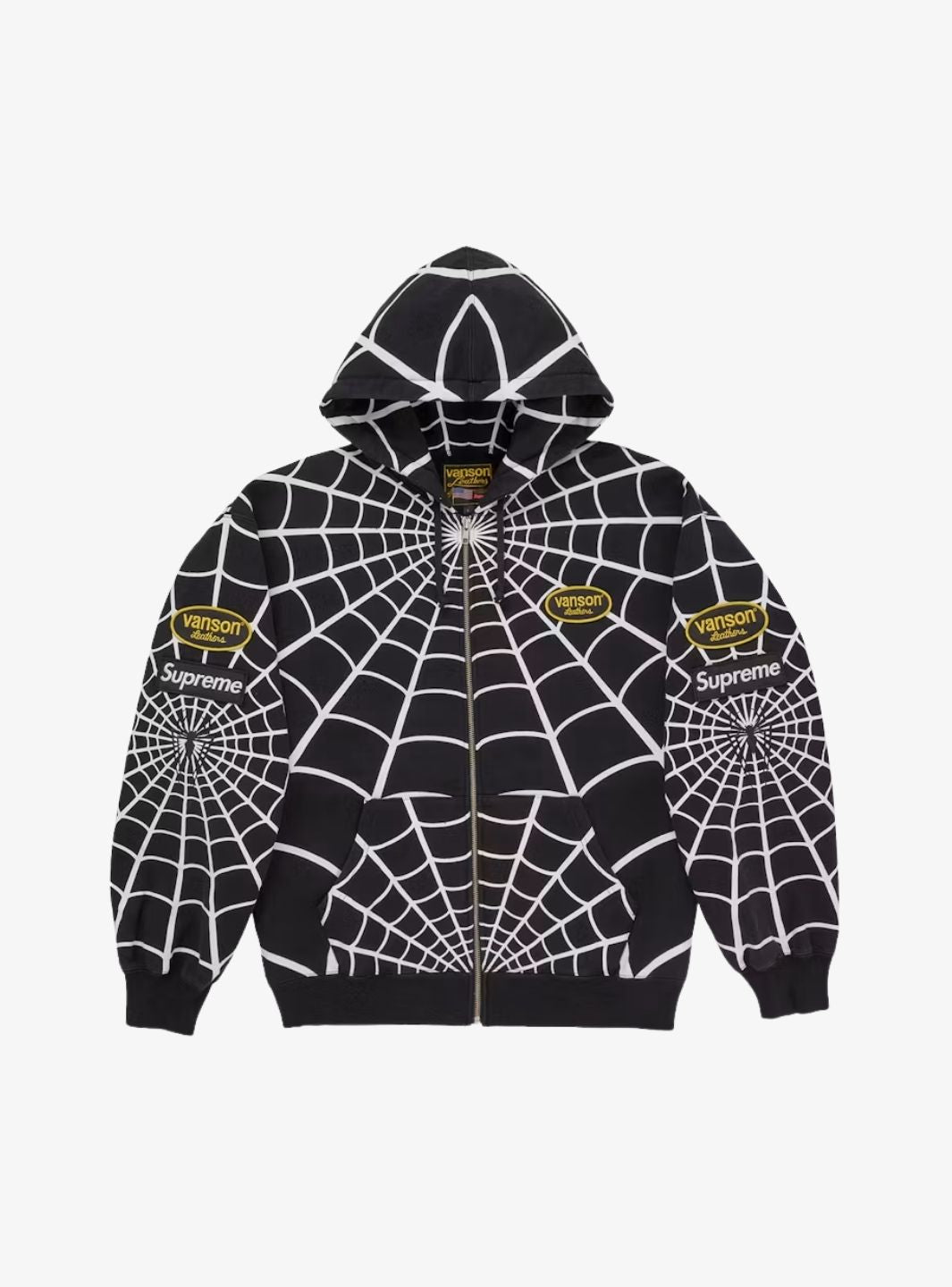
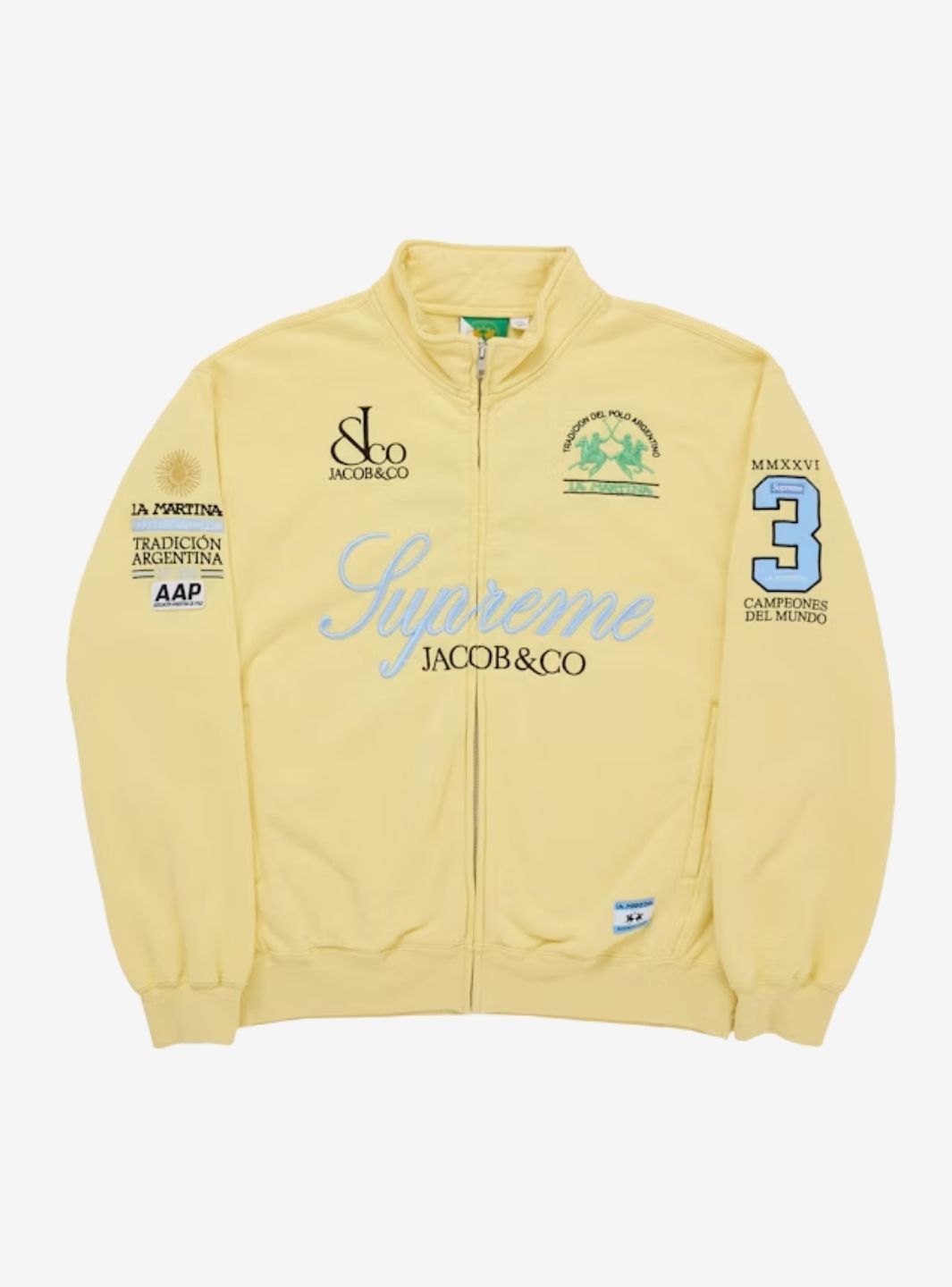
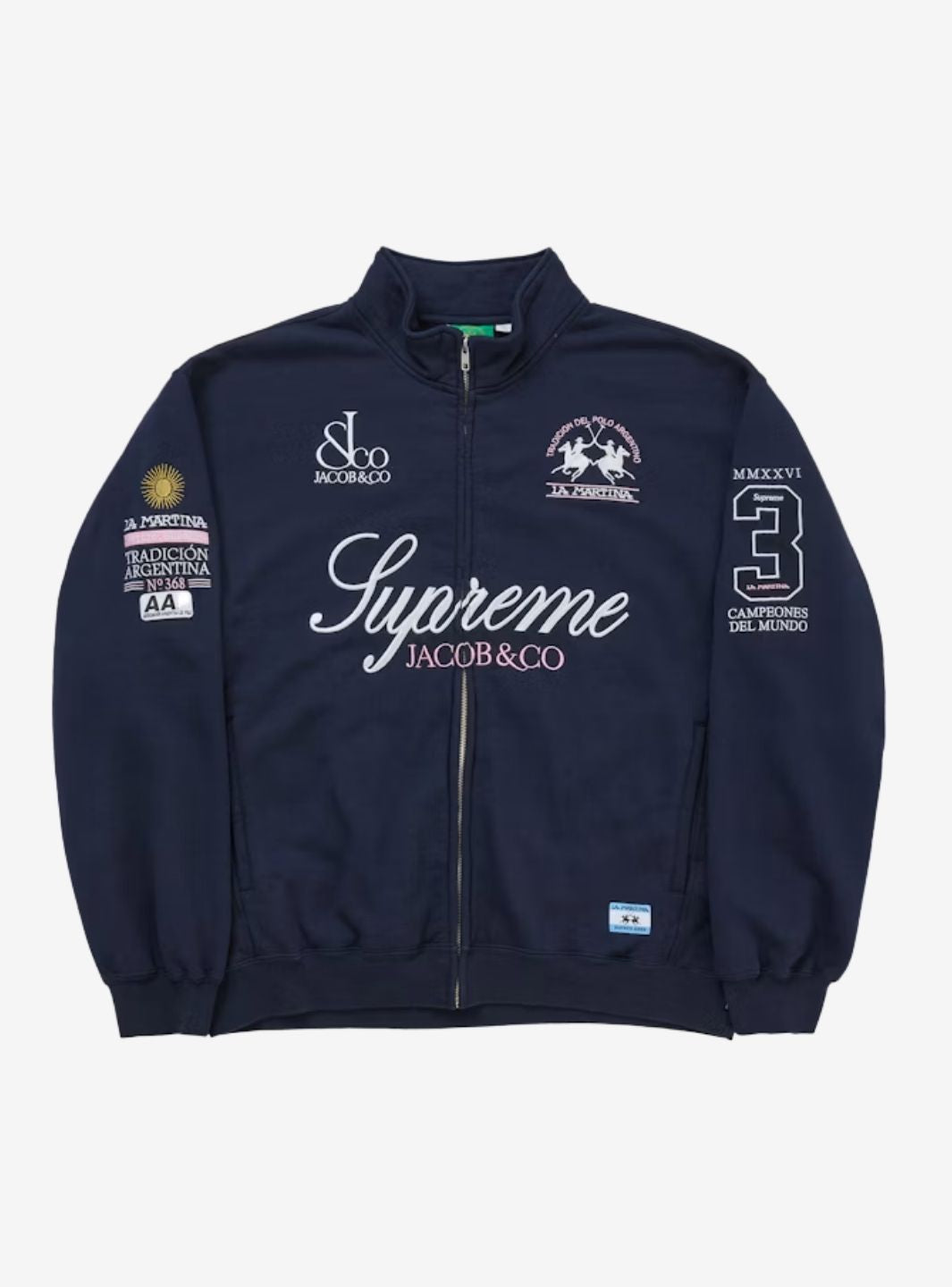
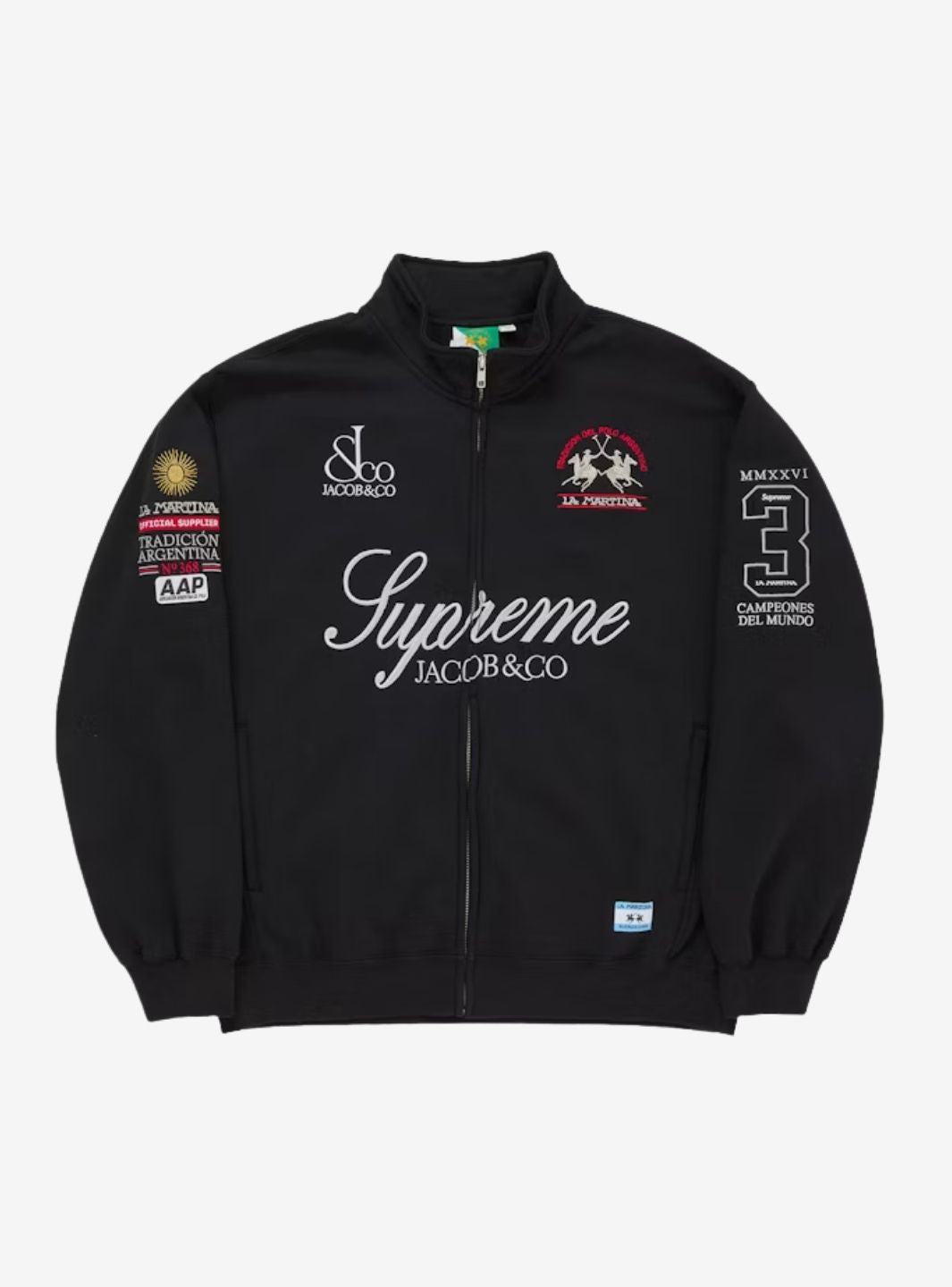
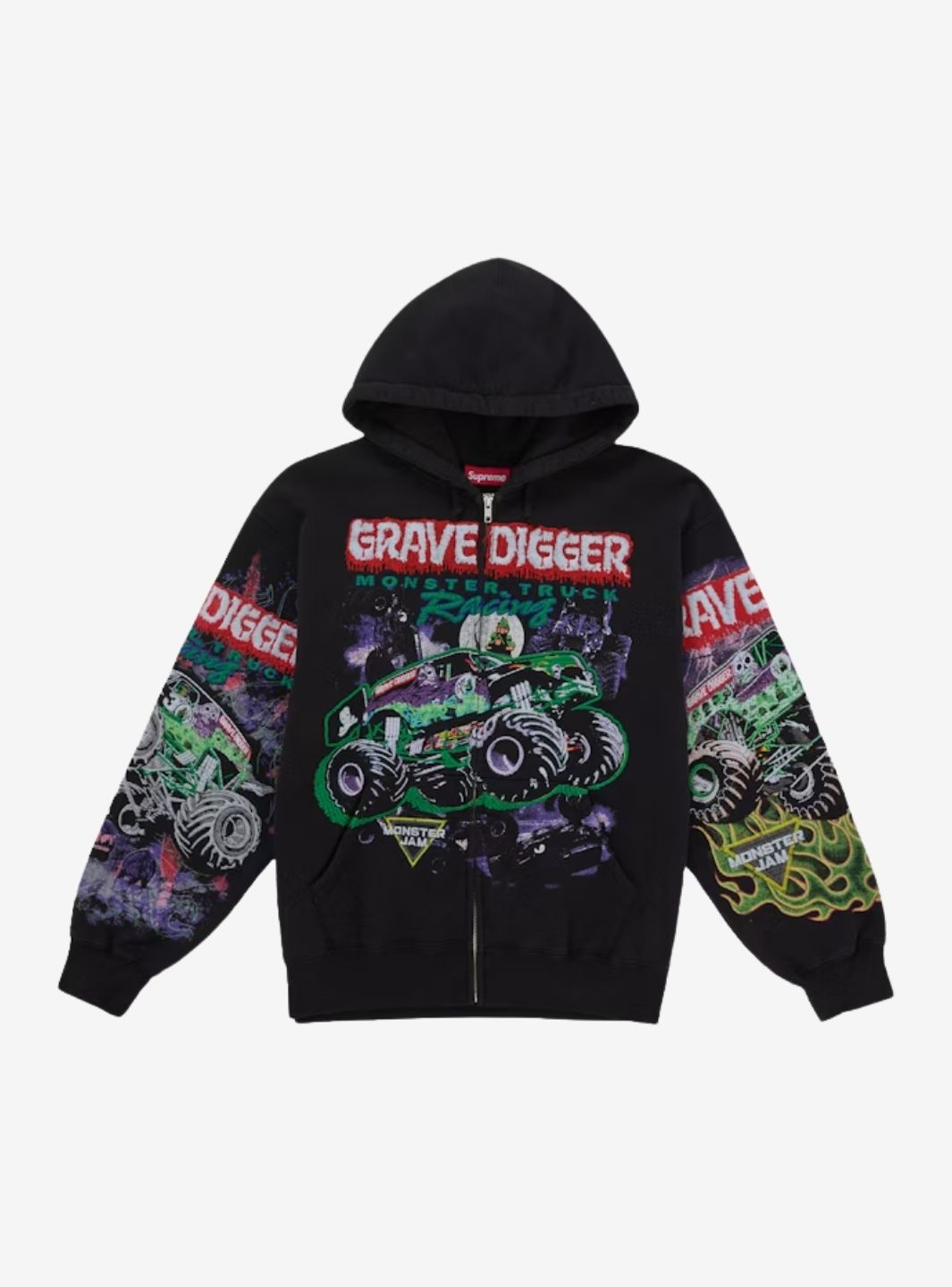
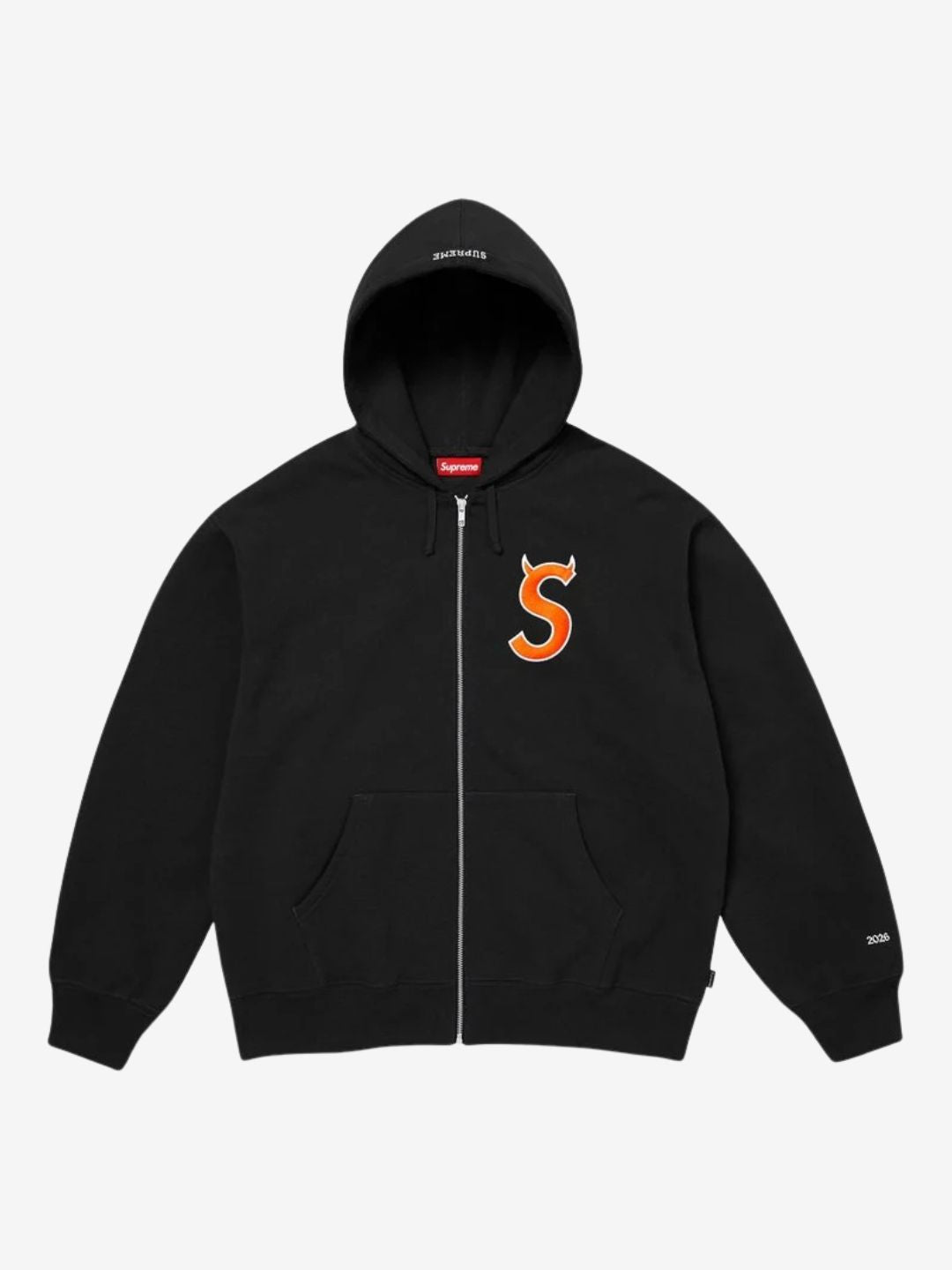
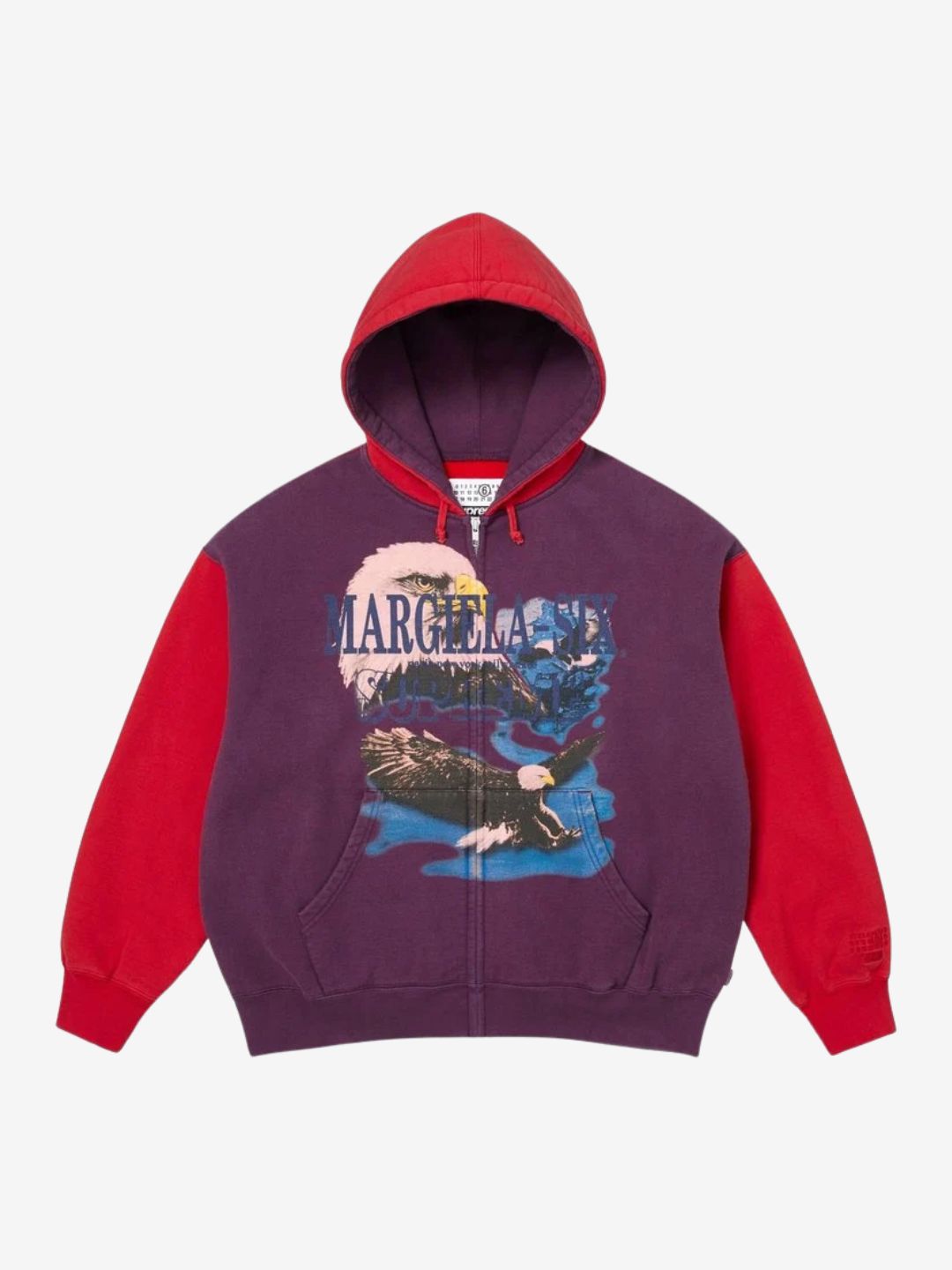
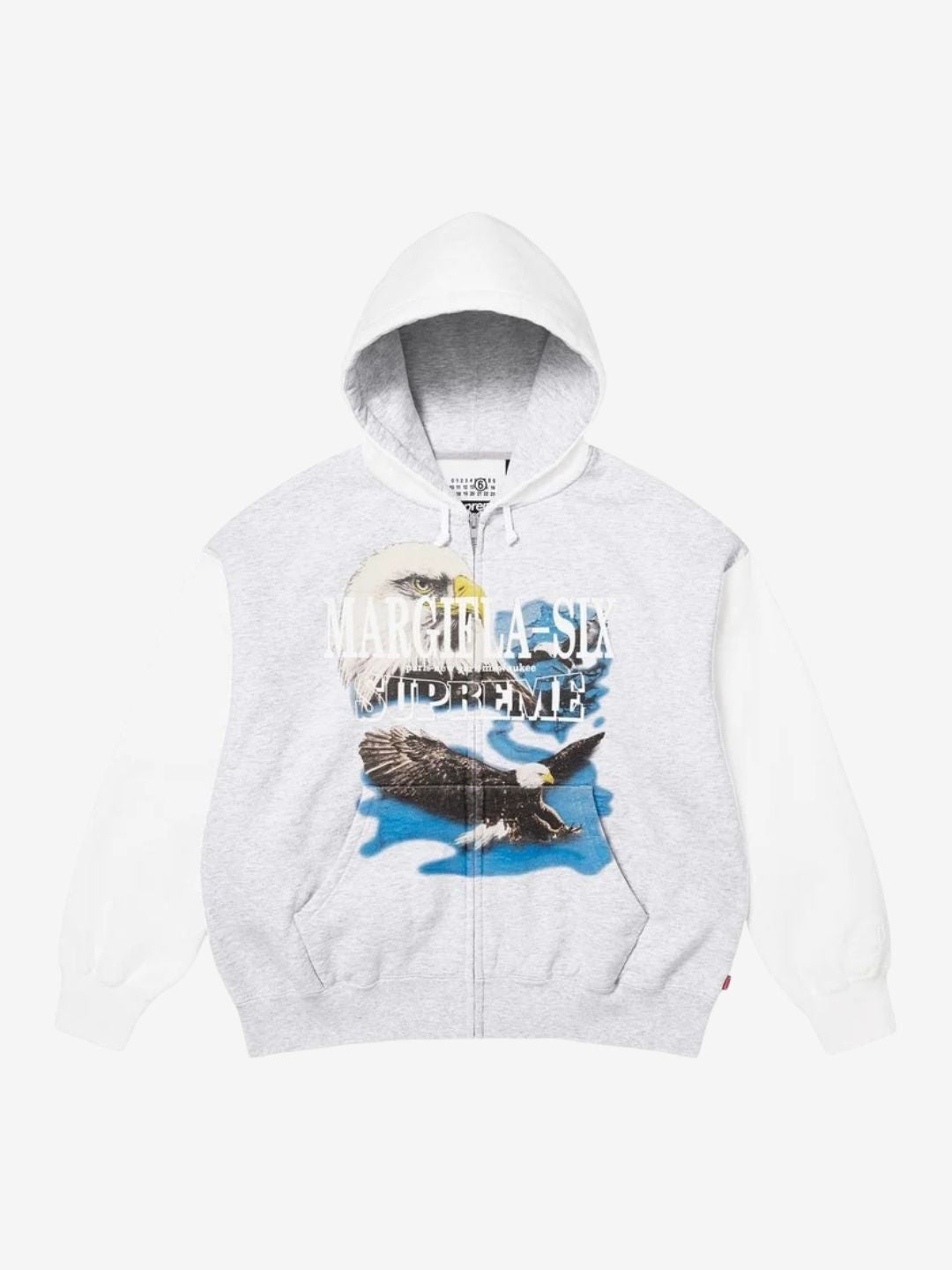
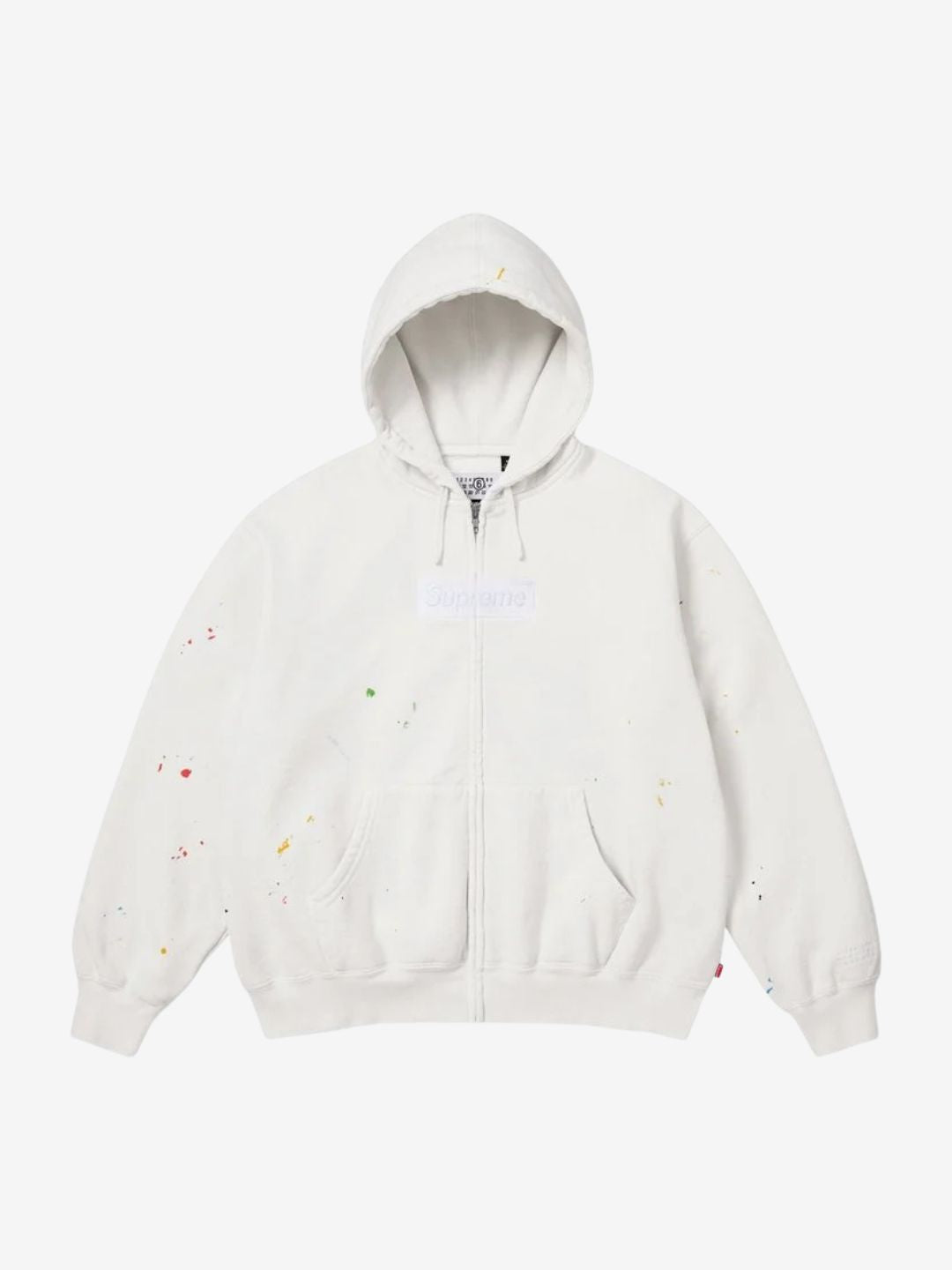
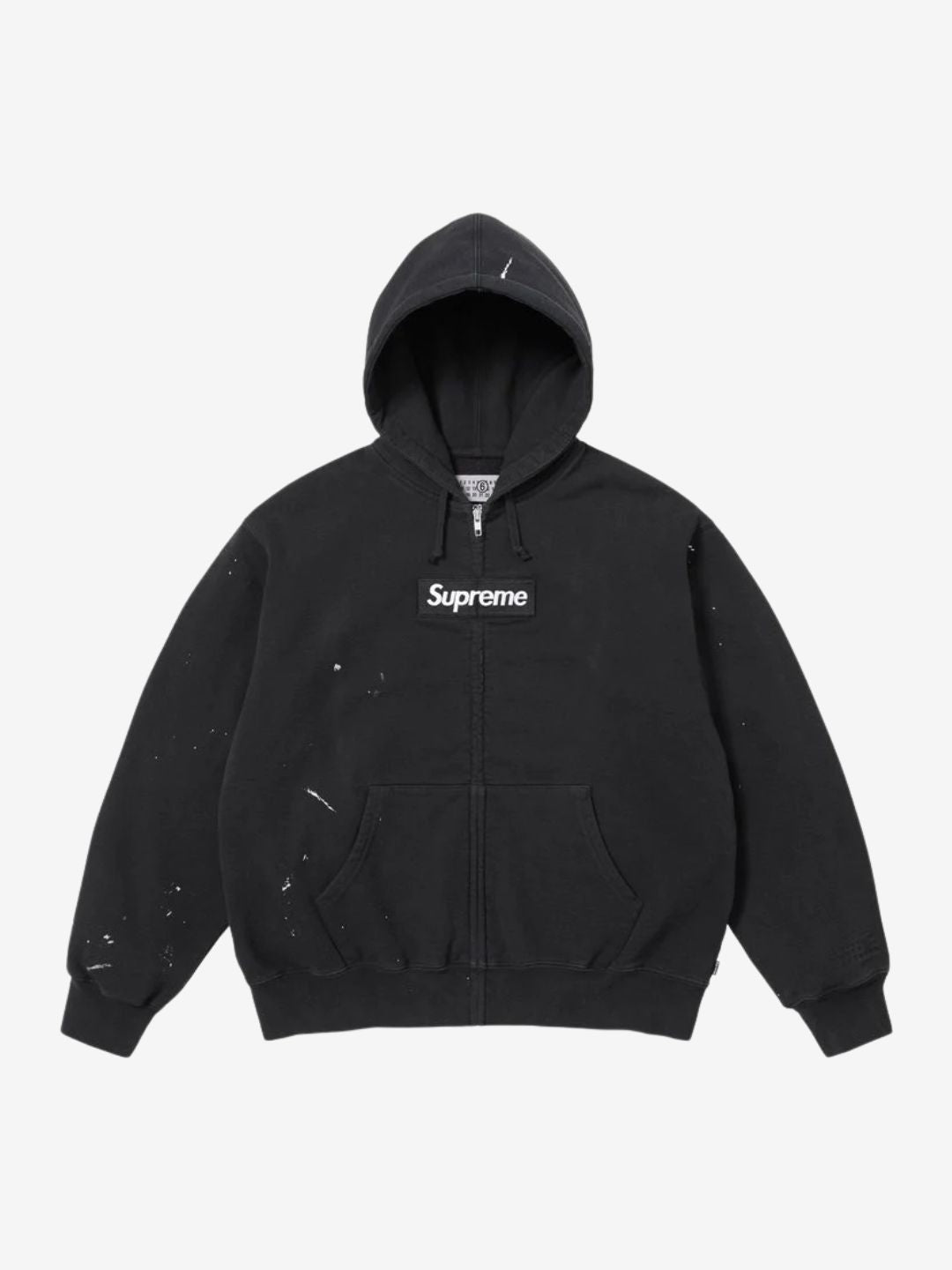
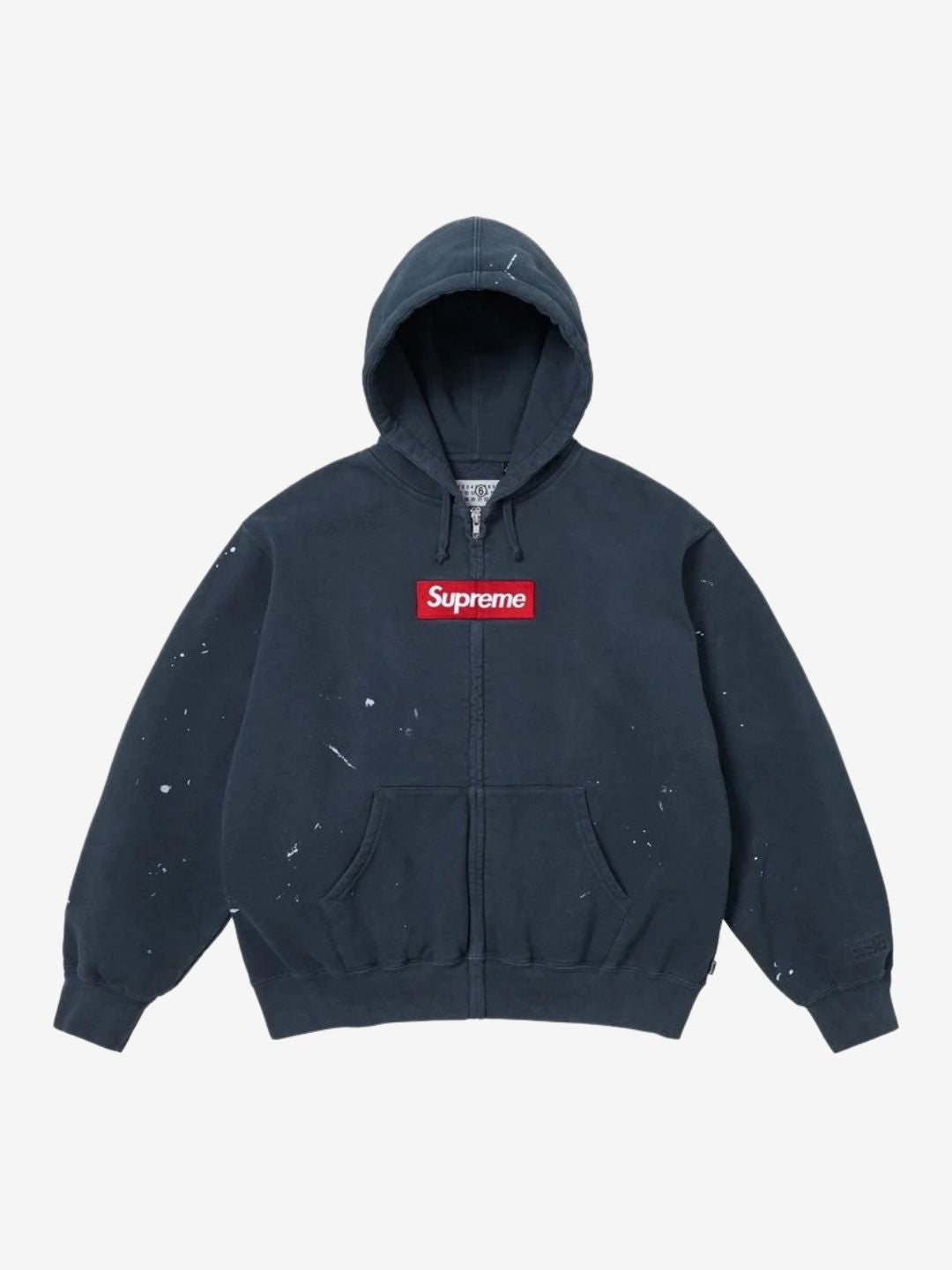
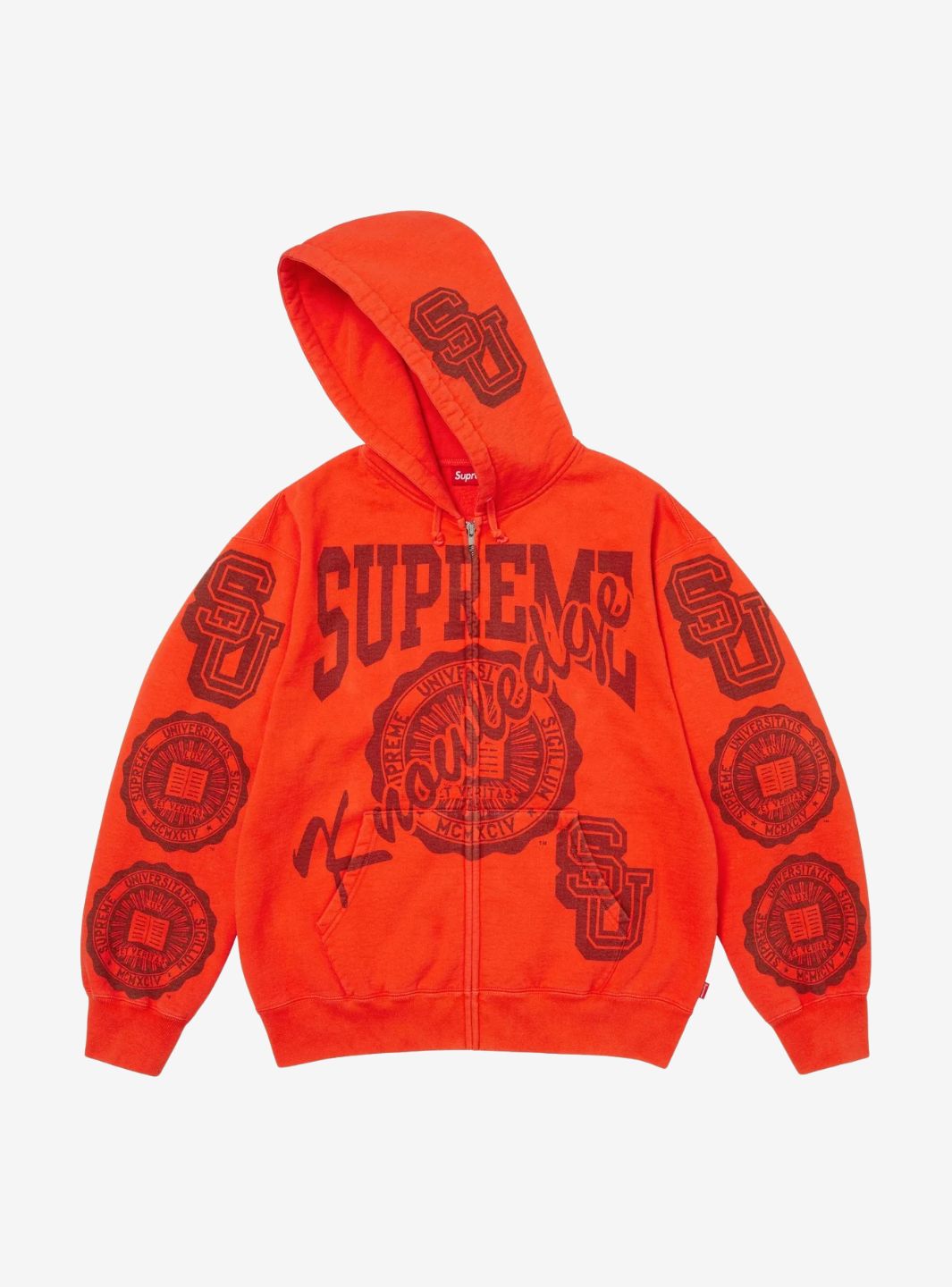
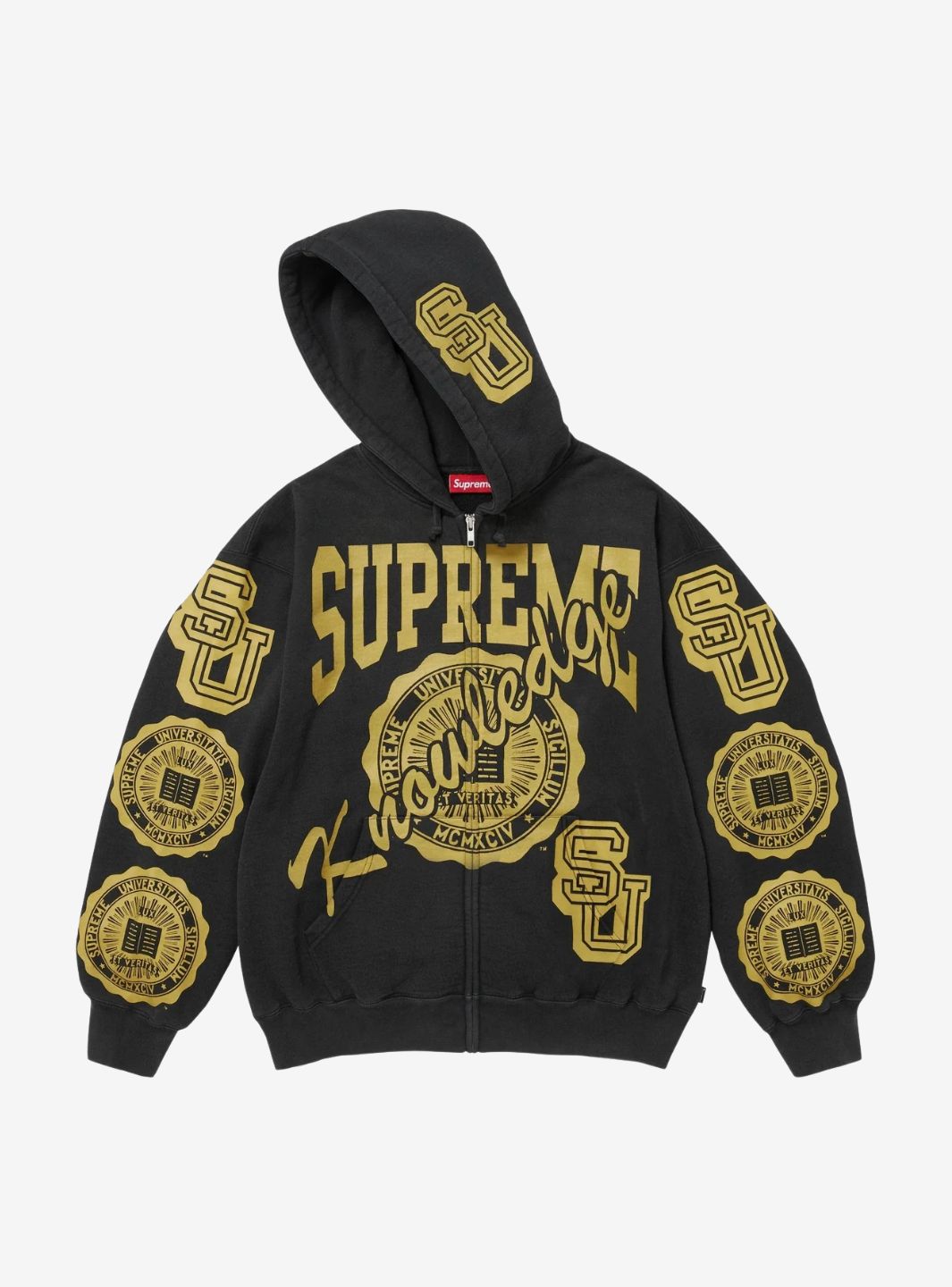
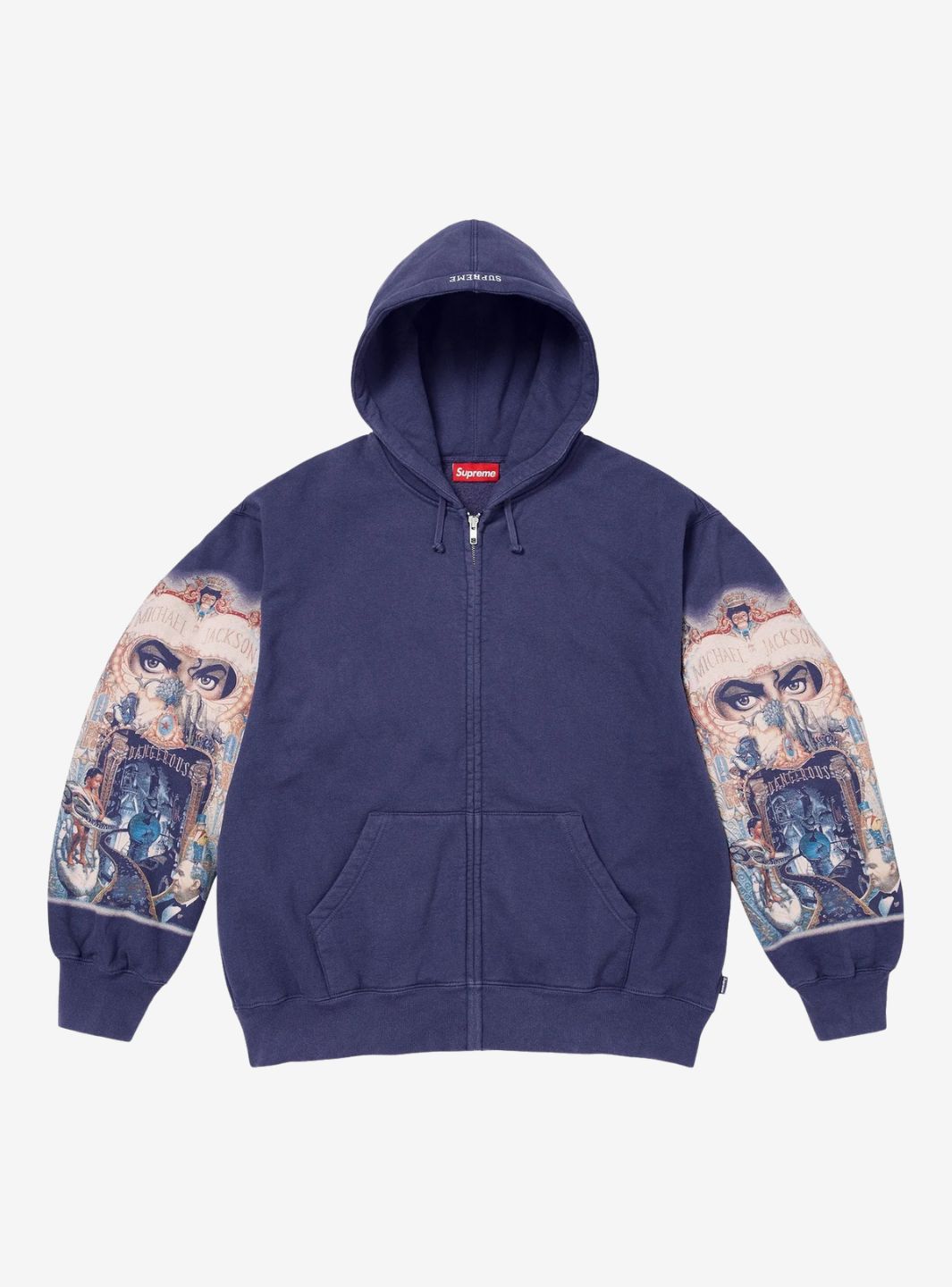
Supreme represents an important part of the zip-up hoodie selection on ResellZone. Over time, the brand has developed numerous zip-up hooded sweatshirts characterized by diverse graphics, embroidery, logos, collaborations, and constructions.
Some releases use a more essential aesthetic, while others integrate very prominent graphic elements on the front, back, or hood. There are also models linked to collaborations and interpretations of the Box Logo.
The Supreme Hoodies collection separately gathers the brand's hoodies, crewnecks, and zip-up models.
Streetwear Zip Hoodies: Regular, Oversized, and Boxy Fits
As with other sweatshirts, the fit of a zip hoodie heavily influences the final result.
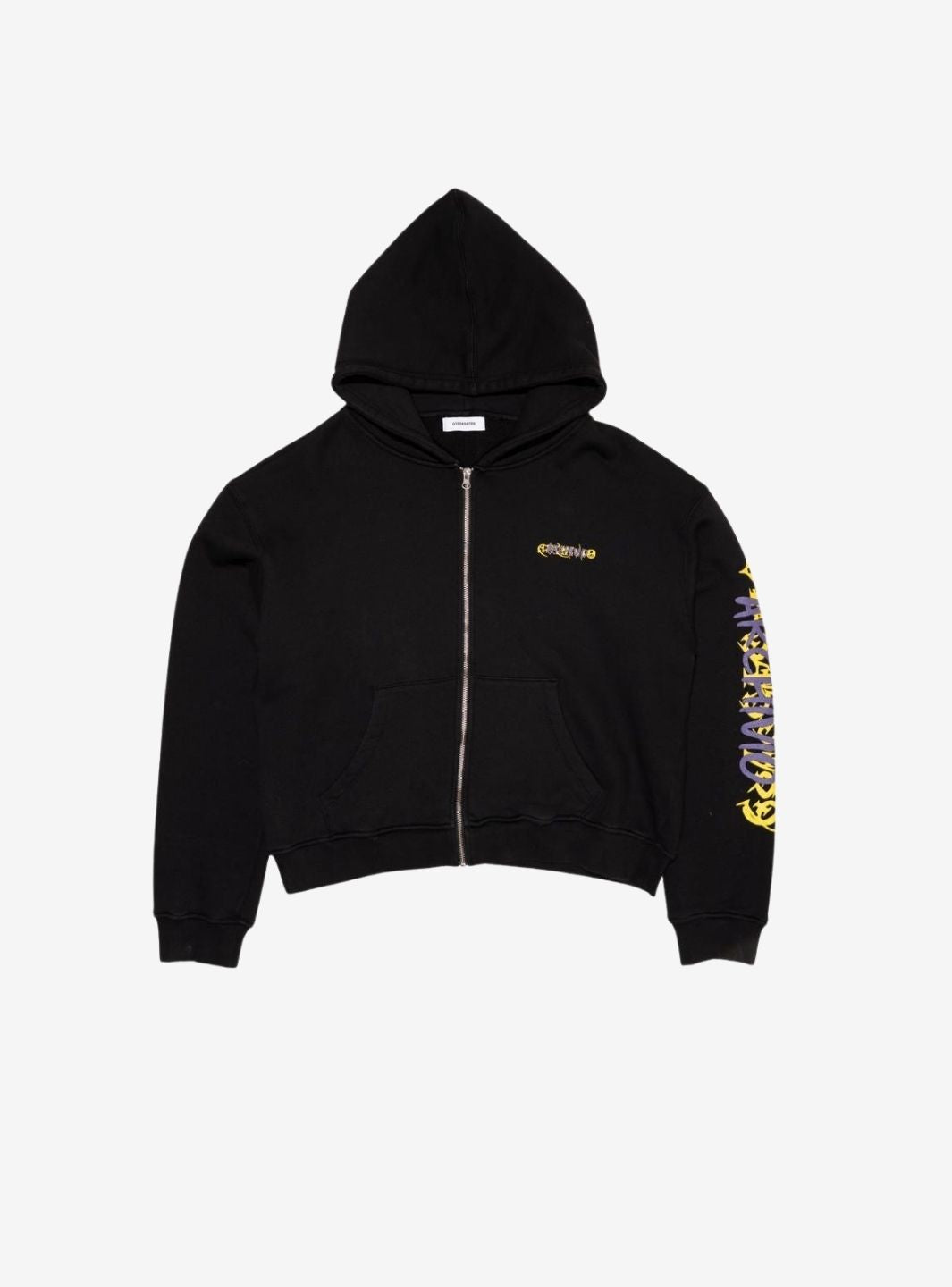
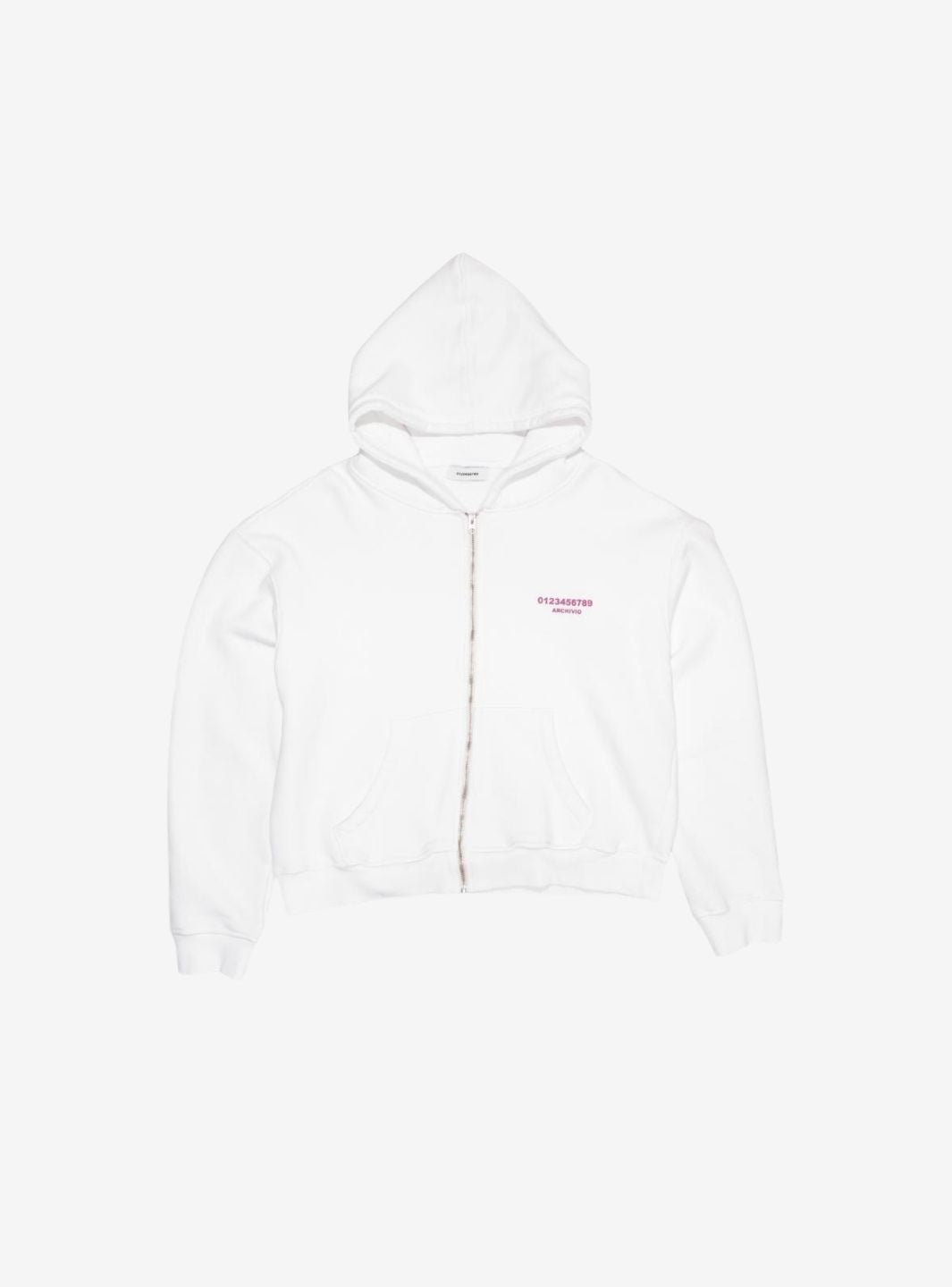
A regular fit maintains more traditional proportions, while an oversized construction increases the volume in the chest, shoulders, and sleeves. Some models adopt more boxy proportions instead, with a wide and relatively compact structure that pairs well with baggy pants, jeans, and broader silhouettes.
The presence of the zipper also allows you to visually alter the fit: worn open, the hoodie creates vertical lines and leaves more room for the layers underneath; completely closed, it takes on a shape more similar to a classic hoodie.
Zip-Up Hoodie or Pullover Hoodie?
The choice between a zip-up hoodie and a pullover depends primarily on how it is used.
A pullover hoodie has a continuous front construction and can better showcase central graphics or logos. The zip-up hoodie sacrifices some of that surface area but offers greater flexibility.
Those who frequently layer may prefer the zip hoodie because it is easier to open, take off, or combine with other garments. Those looking for an even cleaner silhouette without a hood might instead turn toward crewneck sweatshirts.
Materials, Weight, and Construction
Cotton, fleece, blended fabrics, and knitted textures can produce sweatshirts with very different characteristics.
A heavier fleece tends to offer more structure and insulation, while lighter materials are suitable for transitional seasons. The quality and construction of the zipper, cuffs, hem, hood, and pockets also contribute to the overall wearability.
For this reason, it is always useful to check the characteristics of the specific release before choosing the size and model.
Layering and How to Style a Zip-Up Hoodie
A zip-up hoodie can be worn over a T-shirt and under a jacket, or as an outer layer on milder days.
Neutral colors allow for simple combinations with jeans, cargos, and streetwear pants, while graphics, embroidery, and bolder tones can make the hoodie the centerpiece of the outfit.
The various interpretations of the zip-up hoodie also coexist with the offerings gathered in the Streetwear Brands section.