

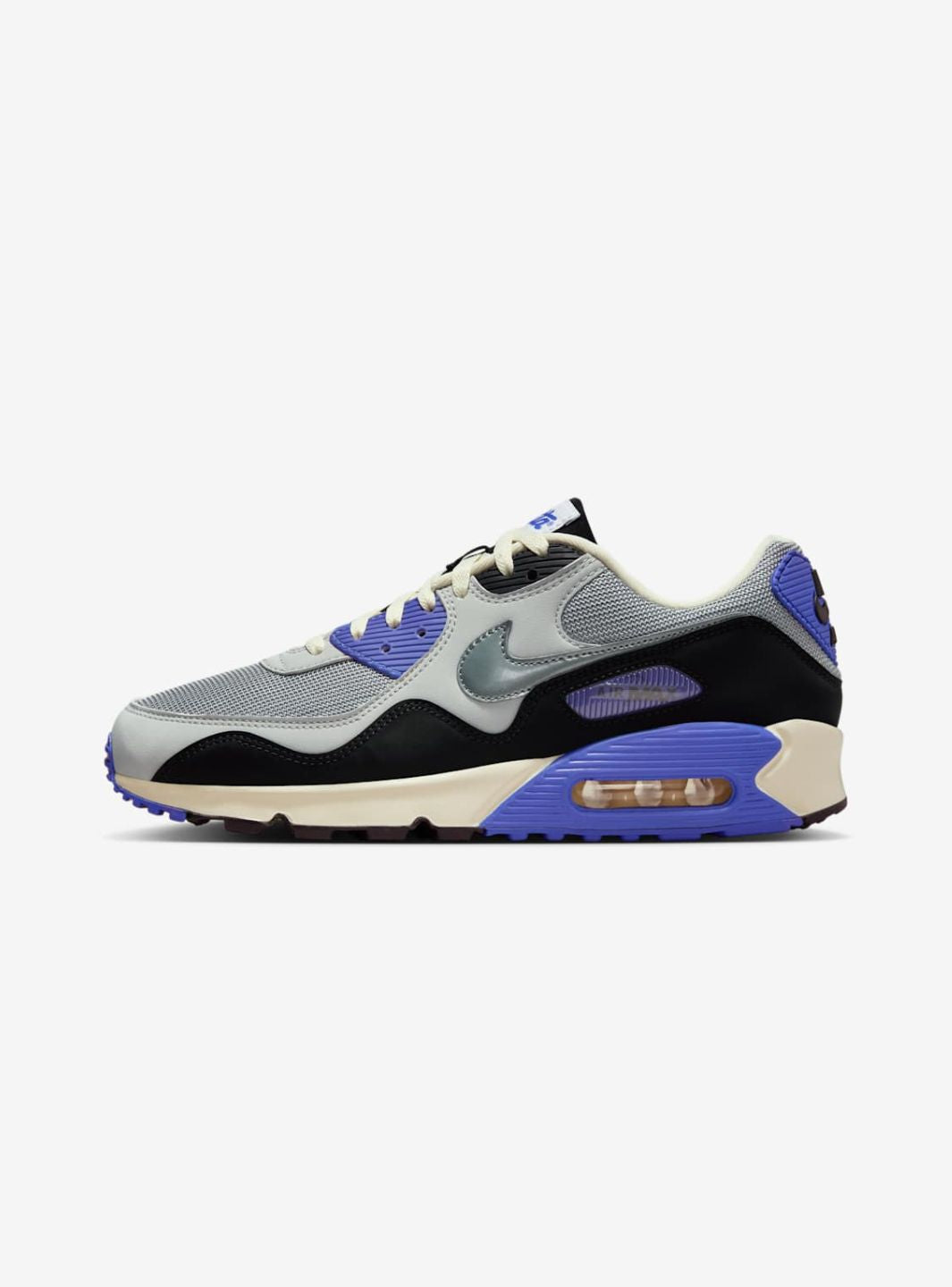
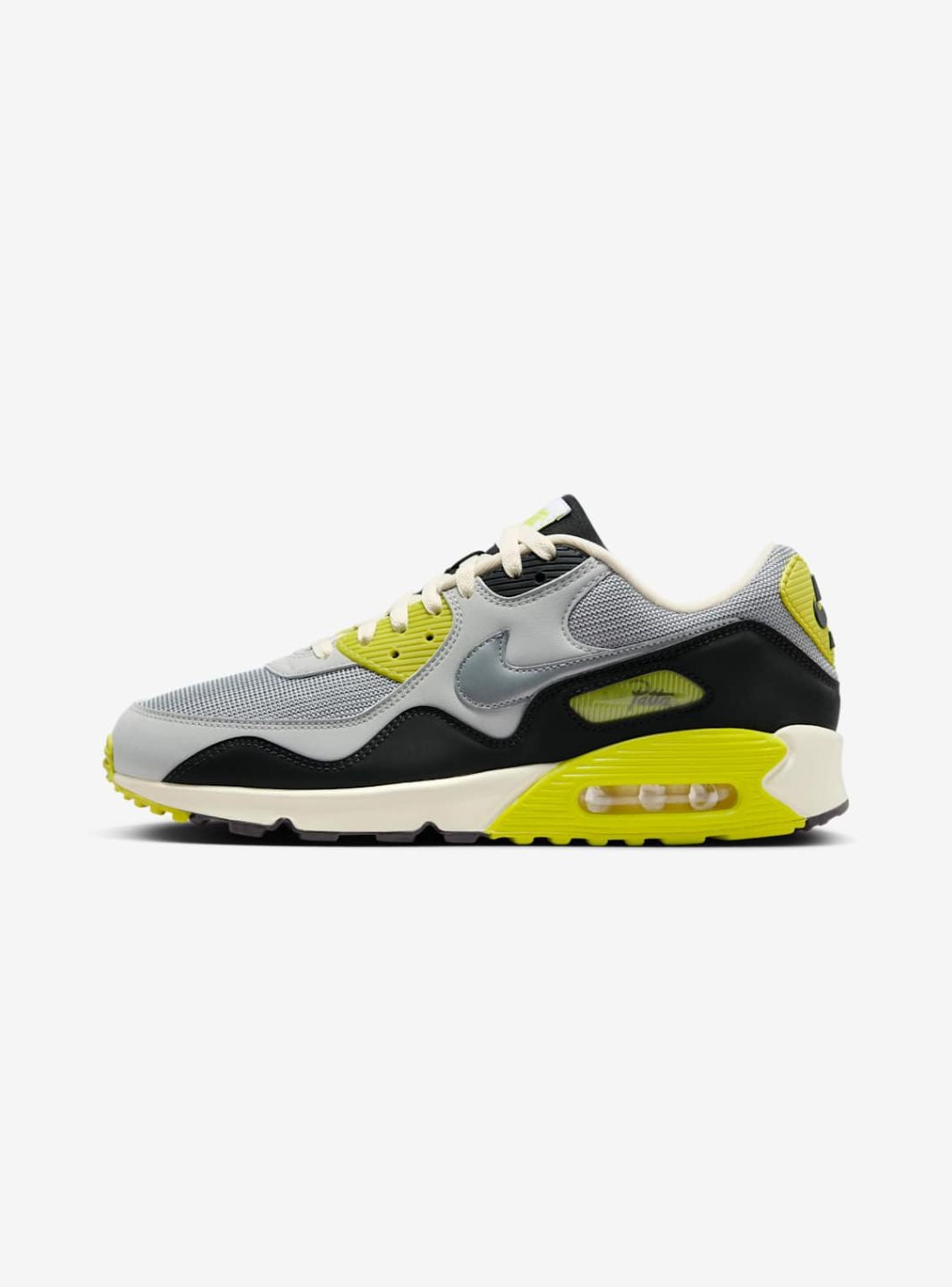
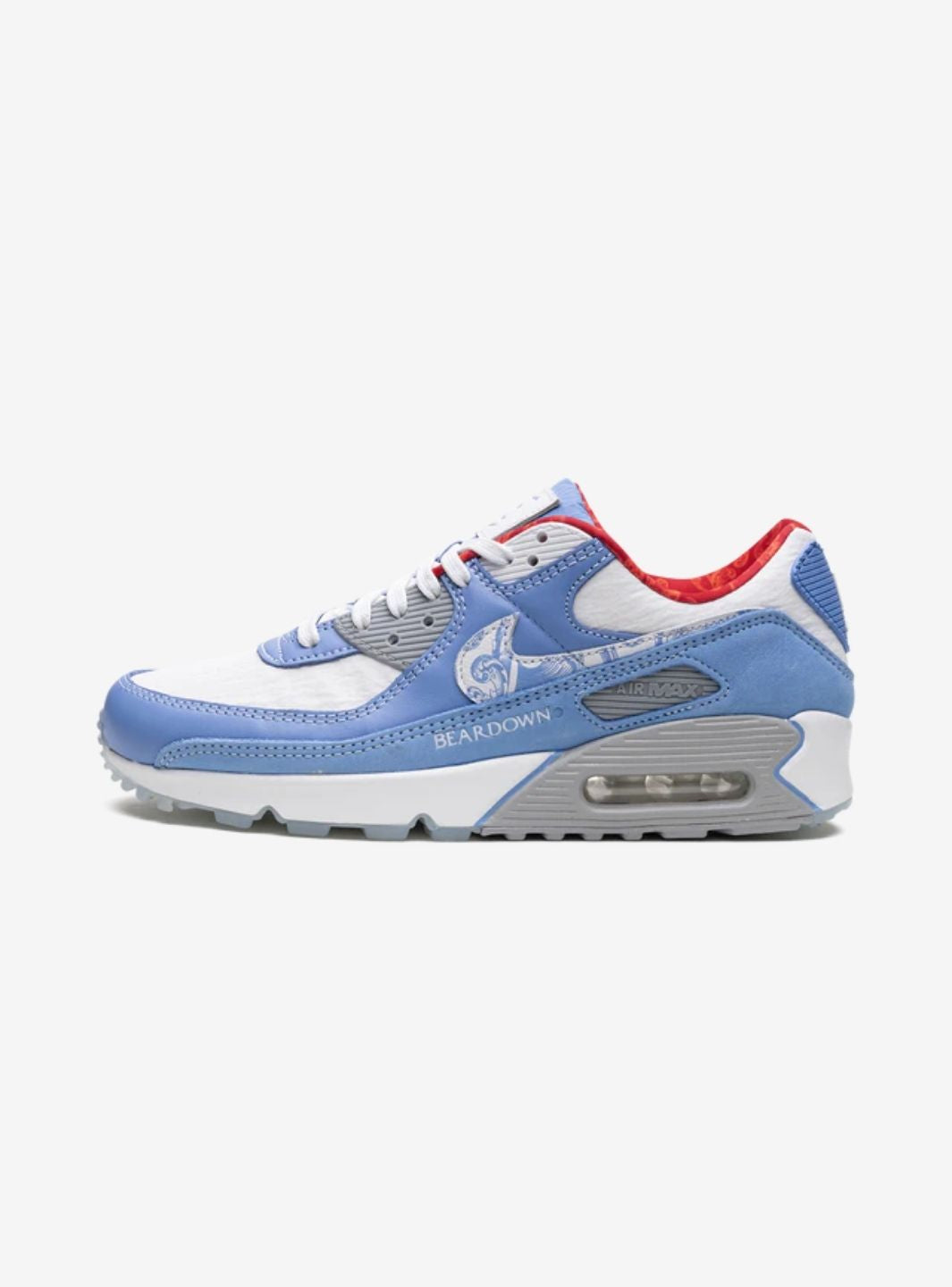
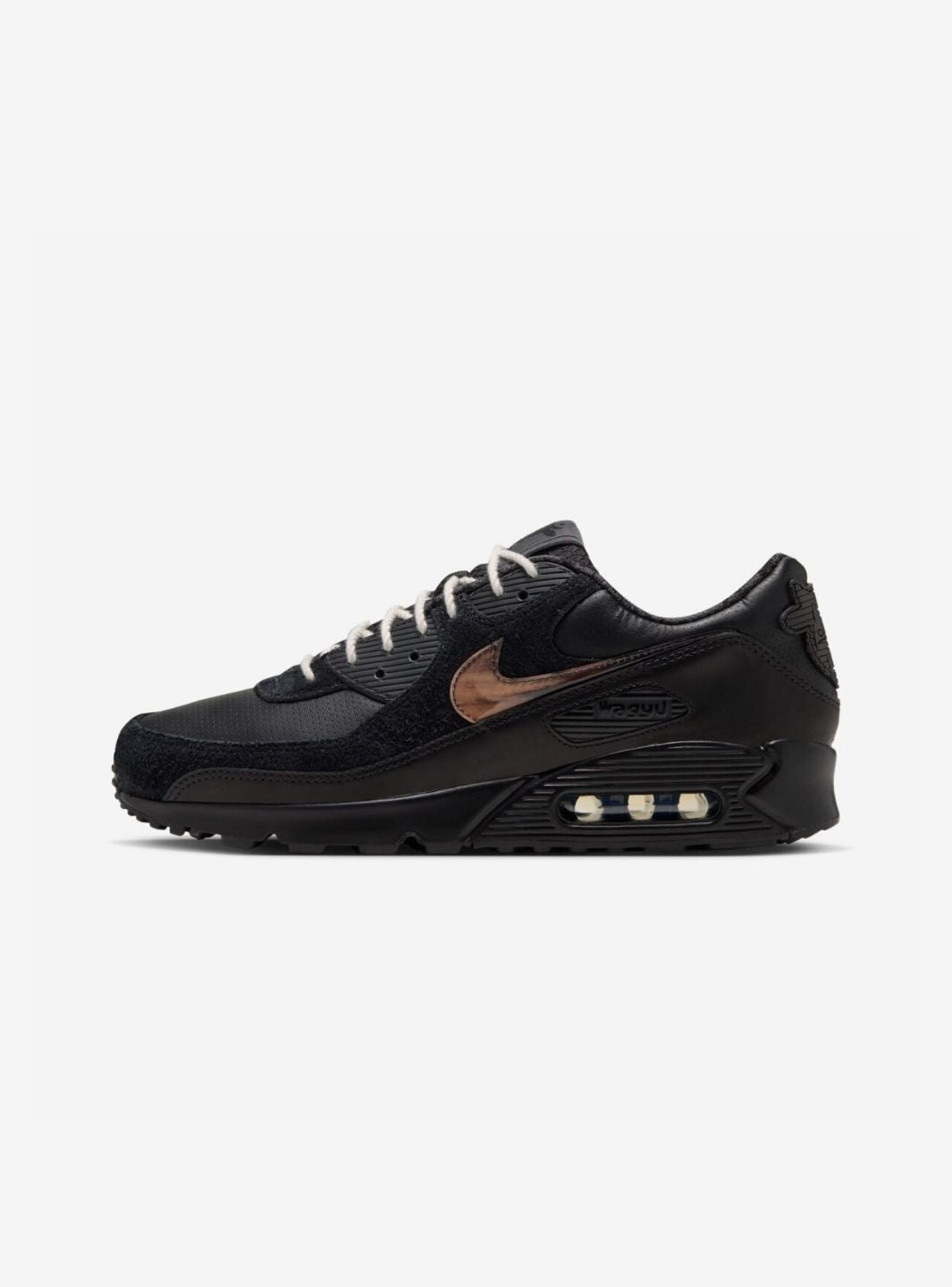
Nike Air Max 90: the 1990 icon
The Nike Air Max 90 represents one of the most important milestones in the evolution of the Air Max family.
Following the 1987 Air Max 1 and the 1989 Air Max Light, Tinker Hatfield developed a more aggressive silhouette, built to emphasize the presence of the visible Air cushioning even further.
The model debuted in 1990 under the name Air Max III and was only renamed Air Max 90 in subsequent years, taking its name from the year of its release.
Within the Nike Air Max family, the 90 thus occupies the role of a direct evolution of the language begun with the Air Max 1: the same idea of making Air technology visible, but with much bolder proportions, panels, and colors.
To this day, Nike identifies the Air Max 90 as one of the fundamental models in its history, born in 1990 and developed by Tinker Hatfield based on the experience gained with the Air Max 1 and Air Max Light.
Air Max 90 Infrared: the colorway that defines the model
To speak of the Air Max 90 is to inevitably speak of Infrared.
The original colorway uses a predominantly white, gray, and black base accompanied by a very bright red hue around the Air window and in other strategic points of the sneaker.
That color, initially just part of the original design, would eventually become known as Infrared and one of the elements most immediately associated with the Air Max 90.
The choice is not purely aesthetic: chromatically emphasizing the area around the Air window helps transform the cushioning technology into a central visual element of the sneaker.
Nike itself describes Infrared as the hue that became the symbol of the model and is still closely associated with the Air Max 90 today.
The design of the Nike Air Max 90
Compared to the Nike Air Max 1, the Air Max 90 uses a more layered and geometric construction.
The upper combines panels of fabric, leather, and synthetic materials, while molded elements around the eyelets, heel, and Air zone make the profile more complex.
The sole maintains its connection to its running origins through the traditional waffle pattern, while the Max Air unit remains visible in the heel.
It is precisely these elements that explain why the Air Max 90 has managed to maintain its own identity even after decades of new versions and reinterpretations.
In fact, Nike continues to describe the model through the combination of its layered construction, Max Air cushioning, and waffle tread, elements still present in contemporary versions.
Off-White x Nike Air Max 90
One of the most important chapters in the contemporary history of the silhouette is the one signed by Virgil Abloh.
The Air Max 90, in fact, joined the The Ten project, the collection with which Off-White reinterprets ten models from the Nike, Jordan, and Converse archives.
Abloh brought his deconstructed language to the Air Max 90: seemingly raw materials, construction elements left visible, industrial text, and details that emphasize how the sneaker is assembled.
Nike describes this interpretation as part of the “Revealing” concept, through which Virgil Abloh deliberately exposes the internal structure and construction process of the shoe.
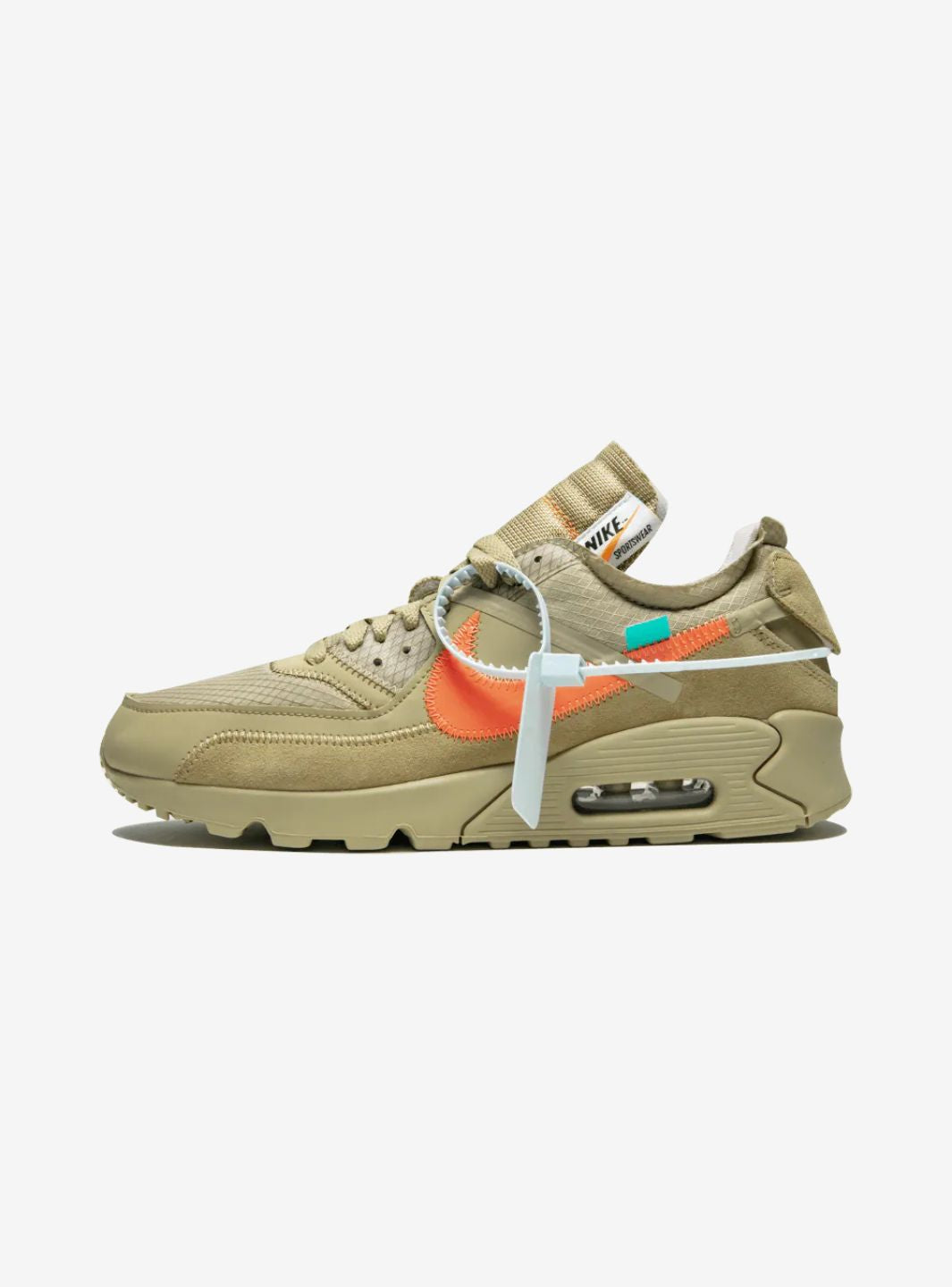
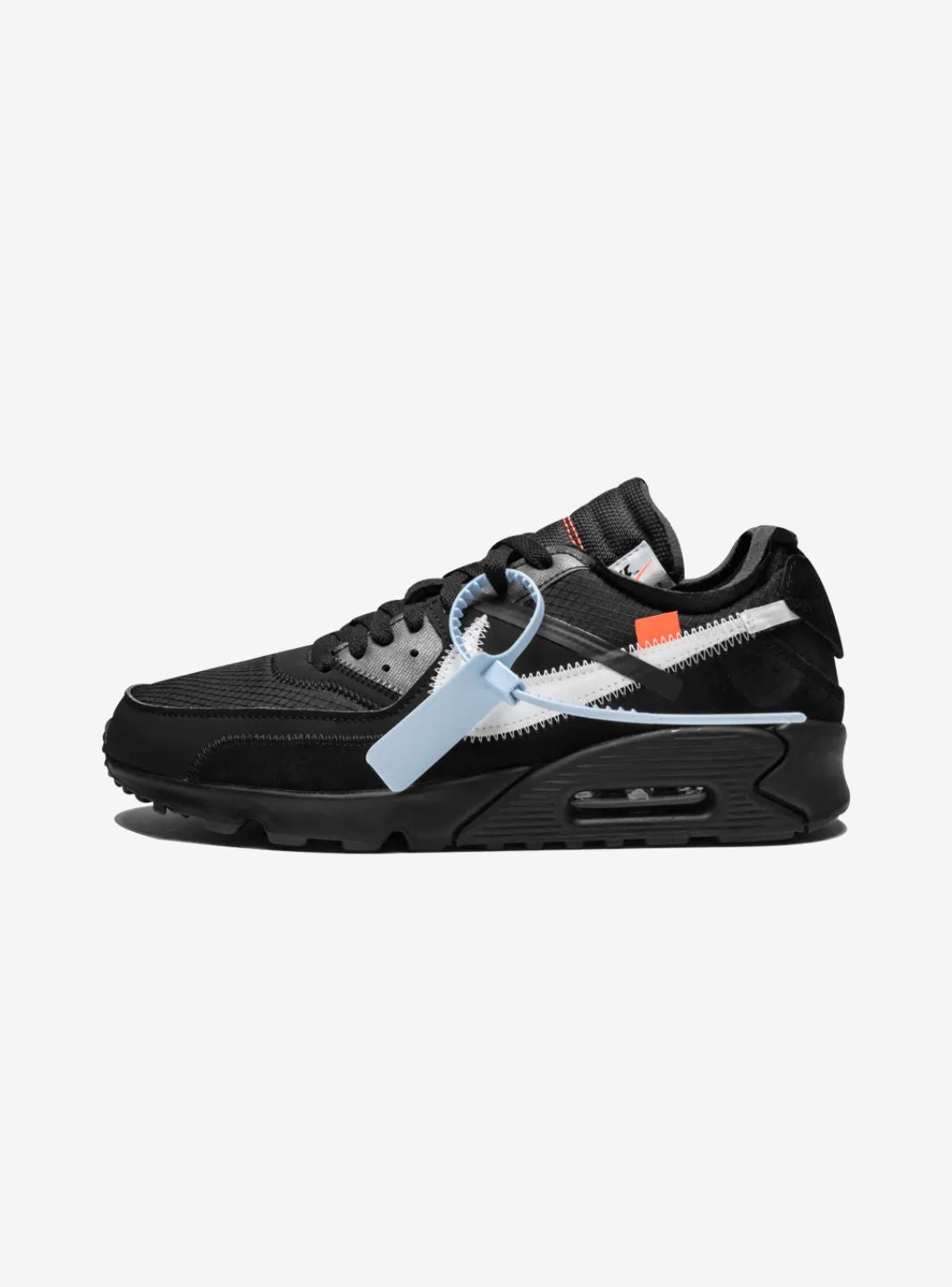
Air Max 90 Off-White Black and Desert Ore
After the first chapter of The Ten, the collaboration continued with new Air Max 90s.
The Off-White Black uses a predominantly black palette with contrasting details, keeping the elements typical of Virgil Abloh's language visible.
The Desert Ore changes the atmosphere completely with beige and khaki tones paired with a brighter orange Swoosh.
These are two very different interpretations of the same silhouette, and it is no coincidence that they are today two of the Air Max 90s present in the ResellZone selection. Both releases belong to the broader Nike x Off-White universe, where the collaboration with Virgil Abloh also spans the Air Force 1, Dunk, Jordan, and other Nike silhouettes.
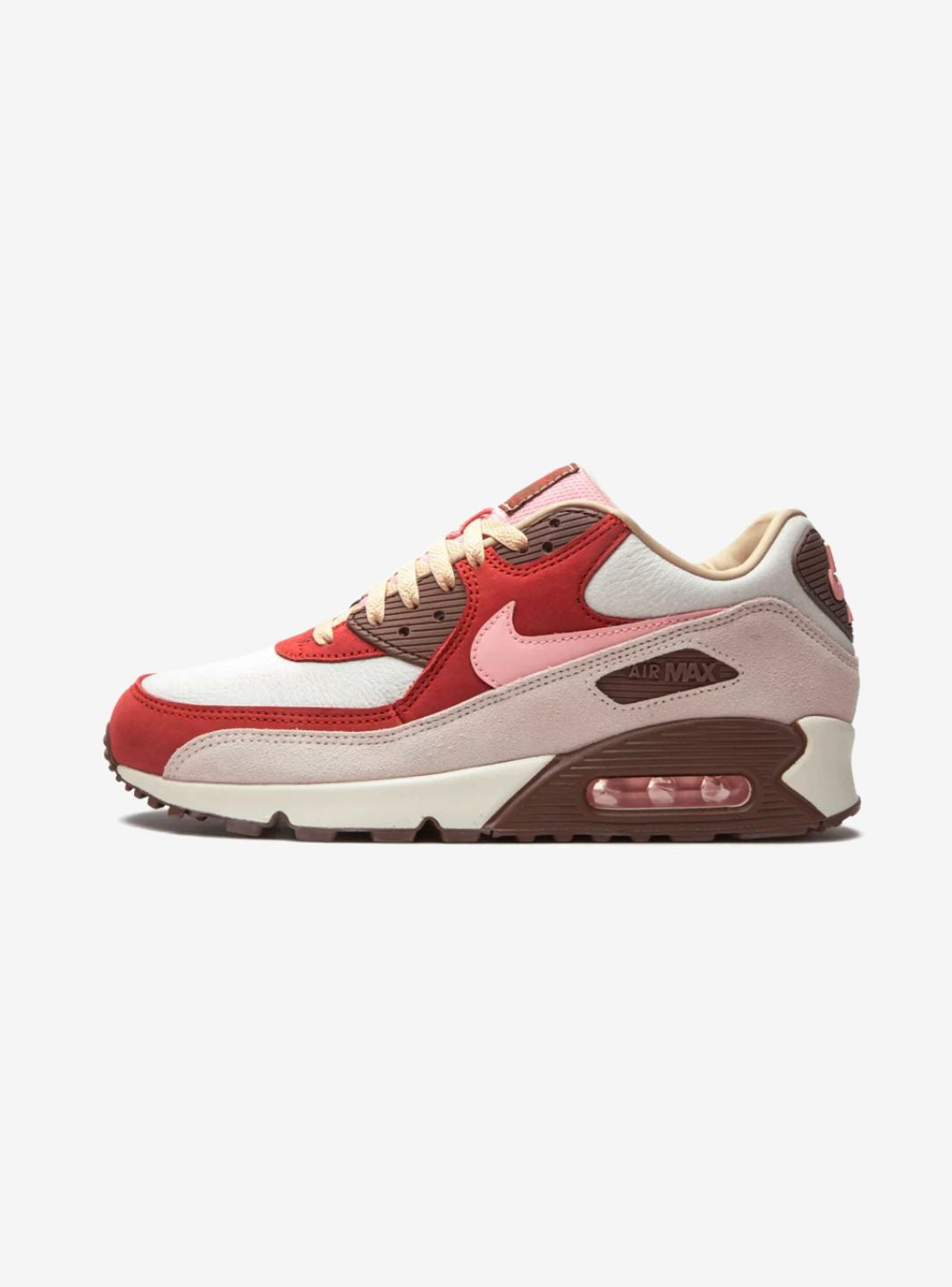
Nike Air Max 90 Bacon
Another Air Max 90 that has become particularly recognizable is the Bacon.
The colorway originated from a collaboration with Dave’s Quality Meat in New York and uses a palette inspired by the tones of bacon: red, pink, brown, and cream.
The unusual color combination helped transform the model into one of the most recognizable Air Max 90s among collaborative and special releases.
The return of the model in 2021 also allowed a new generation of sneakerheads to rediscover a colorway originally linked to the early 2000s.
HUF, sacai, and other interpretations of the Air Max 90
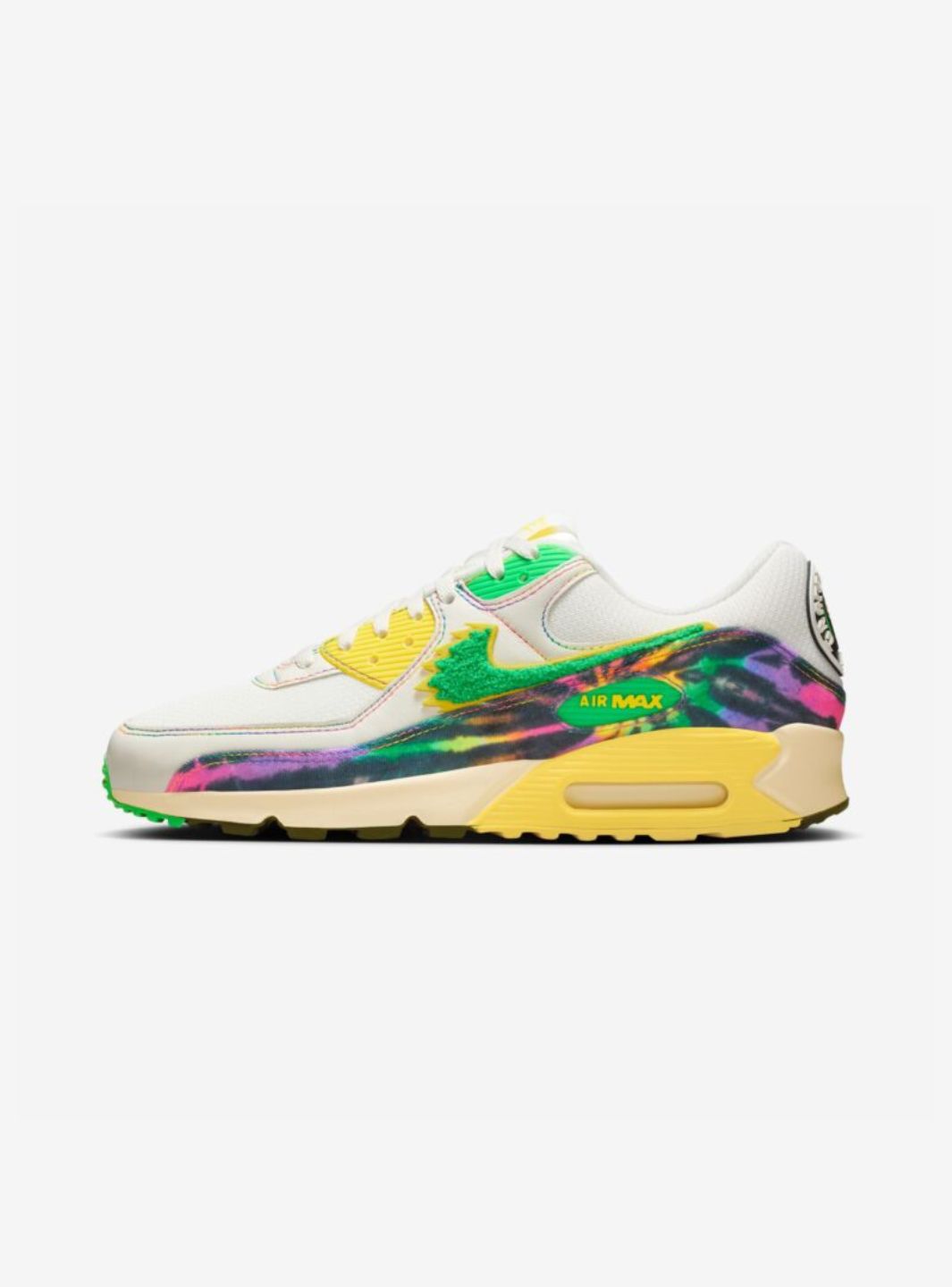
Over the years, the Air Max 90 has also been used as a base for very different collaborations.
In 2007, HUF proposed the Hufquake, characterized by a pattern reminiscent of cracked earth.
In 2015, sacai worked on the model with a laceless version, eliminating the traditional laces and completely reinterpreting the upper.
These are important examples because they show how much the silhouette can change its identity without losing its fundamental elements.
Nike cites both HUF and sacai among the relevant chapters in the evolution of the Air Max 90, prior to the arrival of the 2017 Off-White reinterpretation.
Air Max 90 and streetwear culture
The Air Max 90 was born as a running sneaker, but its history quickly went beyond athletic performance.
The combination of layered design, highly visible colors, and exposed Air technology allowed the model to enter the world of lifestyle and streetwear.
Nike itself highlights how the model transitioned from being a shoe designed for running to becoming a major presence in street culture throughout the nineties and subsequent generations.
Its ability to cross different periods and scenes also explains why collaborations with retailers, designers, and brands have continued to use the Air Max 90 as a creative platform.
Air Max 90, Air Max 1, 95, and 97: four different generations
Within the Air Max family, each silhouette develops a very precise identity.
The Nike Air Max 1 introduced the idea of visible Air in 1987 and maintains an aesthetic closer to the running shoes of the eighties.
The Air Max 90 made that language more aggressive, accentuating the panels, colors, and Air zone.
The Nike Air Max 95 changed its proportions again entirely through an upper inspired by human anatomy and gradient side panels.
The Nike Air Max 97 instead took the family toward more fluid lines and a much more extensive Air presence along the sole.
The Air Max 90 therefore remains the bridge between the simplicity of the first generation and the more radical experiments that arrived in subsequent years.
Original and collectible Nike Air Max 90s
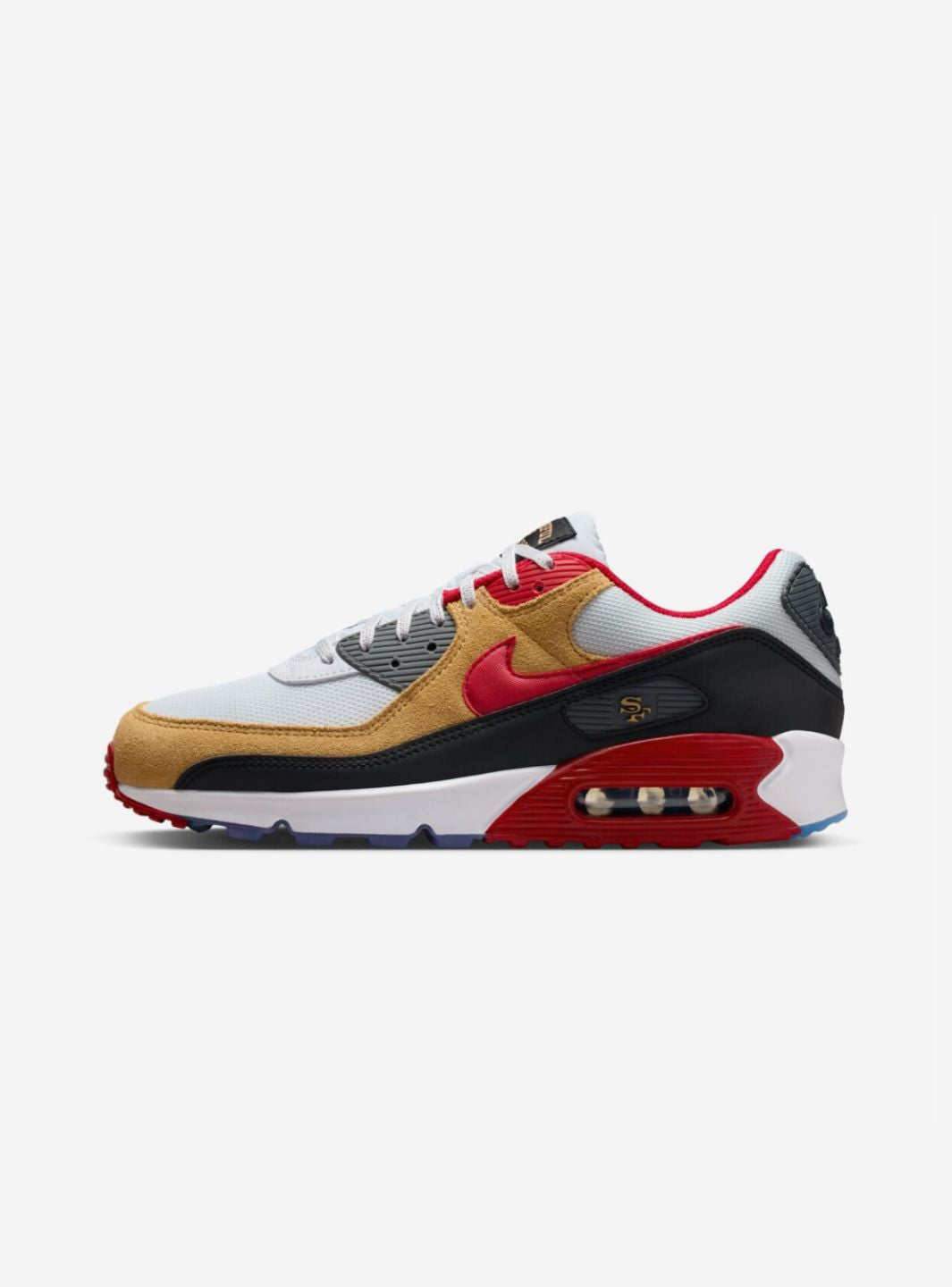
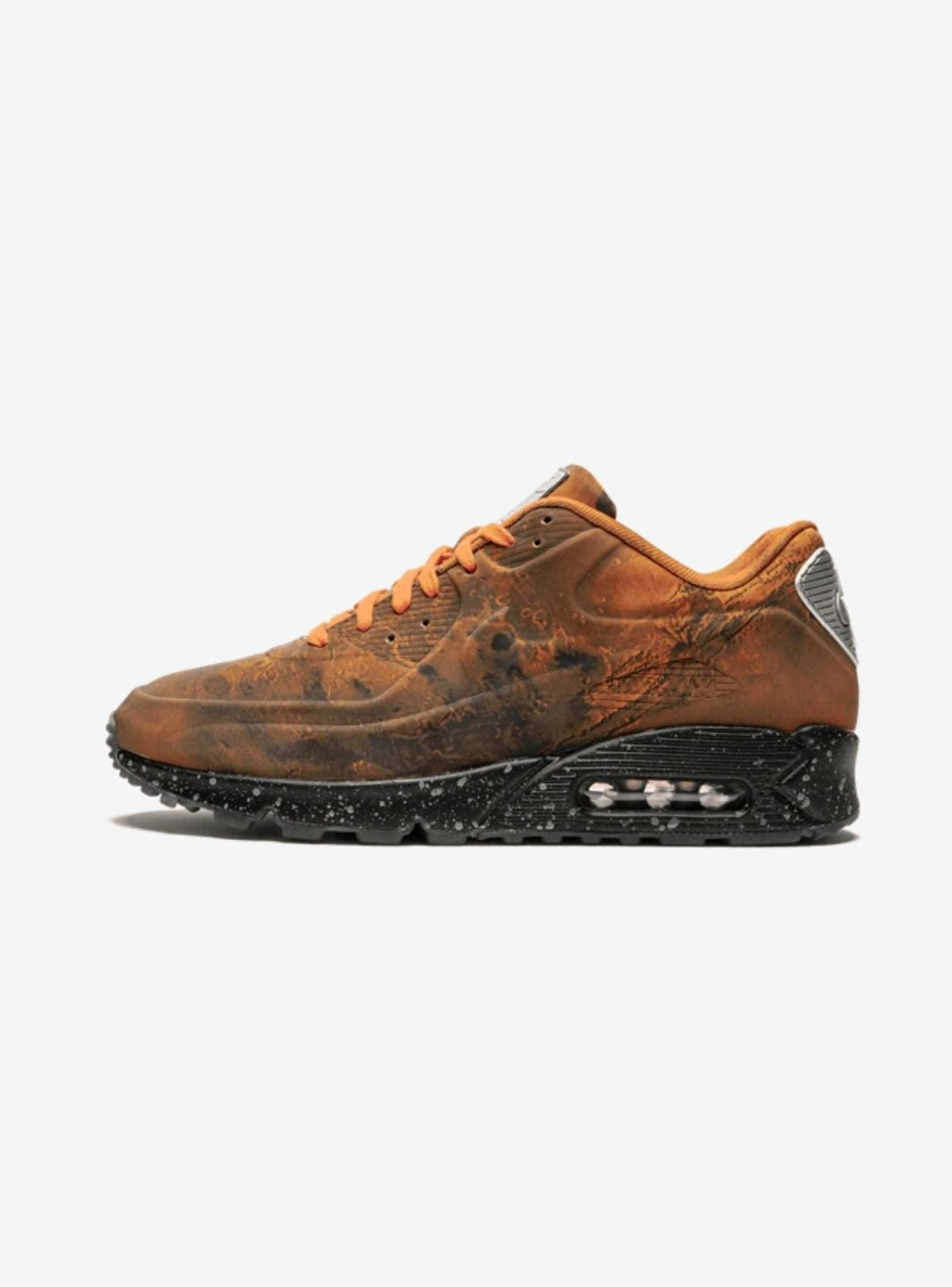
The Air Max 90 catalog today includes general release colorways, reissues of historic models, and collaborations that have become increasingly difficult to find.
Versions like the Infrared represent the silhouette's historic heritage, while the Bacon and Off-White show two very different ways of reinterpreting it through collaboration and storytelling.
When a release leaves the normal retail circuit, availability and value can change significantly depending on the colorway, year of production, and the condition of the pair.
For this reason, especially in the secondary market, authenticity plays a central role. Products sold by ResellZone as original are subjected to the checks provided by the verification process, which is detailed in the page dedicated to product authenticity.